Discover

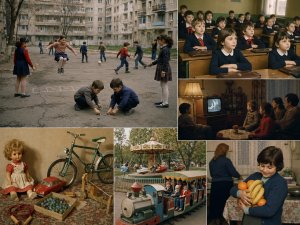
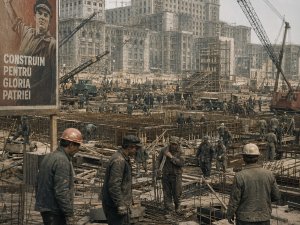
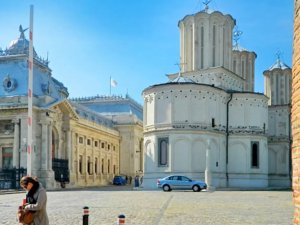
Getting to know Bucharest means uncovering the layers of a complex identity, where the stories of “Little Paris” intertwine with the legacy of the communist era and the creative energy of the present. Beyond its imposing facades, the city reveals its spirit through tradition, civic spirit, and vibrancy.
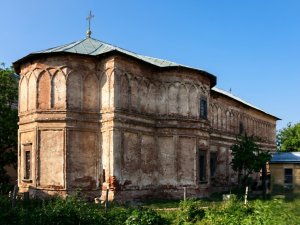
Understanding Bucharest means exploring its neighborhoods with understated charm, such as Cotroceni or Dorobanți, learning the legends hidden in the courtyards of old churches, and pulsing to the beat of its unique cultural rhythm. Bucharest is not merely a city to be visited; it demands to be understood as a space of fascinating contrasts and remarkable resilience.

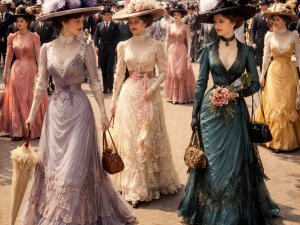
Old Bucharest

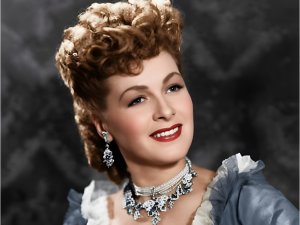
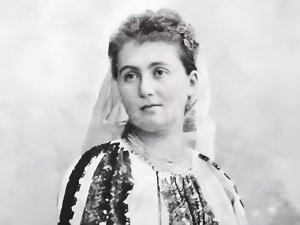
Princess Elisabeth, the most unhappy and isolated child of Queen Marie. She divorced the King of Greece and earned her living by giving piano lessons

Princess Elisabeth of Romania, considered the most beautiful of Queen Marie’s daughters, lived a life that seemed drawn from a tragic novel. She was blessed with grace and intelligence, but not with the happiness she longed for. Born on October 12, 1894, in Sinaia, Elisabeth was the second child of Queen Marie and King Ferdinand. Her mother was onl...
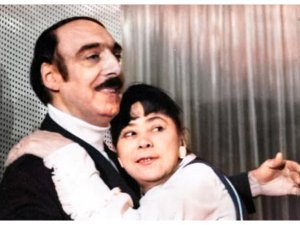
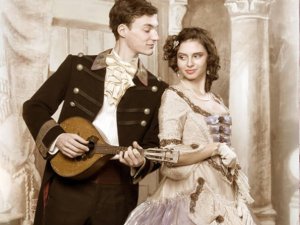
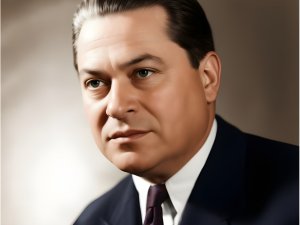
The king of Bucharest’s lăutari was expelled from the Conservatory but impressed Caragiale and Enescu. The life of Grigoraș Dinicu

A child named Grigoraș was born in the early days of April, somewhere in the Scaune neighborhood of Bucharest. A child who would one day become “The King of the Lăutari,” the creator of the famous Hora Staccato, the musician whom Marlene Dietrich came to hear, and who would captivate the world with his violin.Who was Grigoraș DinicuWhen Grigoraș Di...
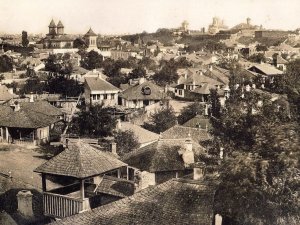
15 Beautiful Places in Bucharest That No Longer Exist Today

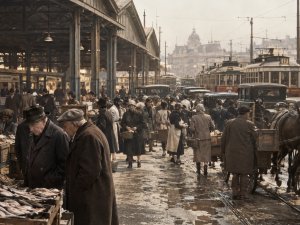
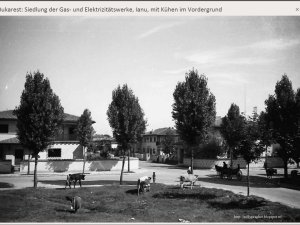
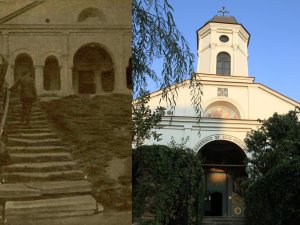
Bucharest knows how to shed its skin without asking anyone’s permission. If you look closely, every corner of the capital hides a story that was once in plain sight, then discreetly pushed under asphalt, concrete, or oblivion. Of course, the city doesn't disappear; rather, entire chunks break away in silence, leaving behind only yellowed photograph...
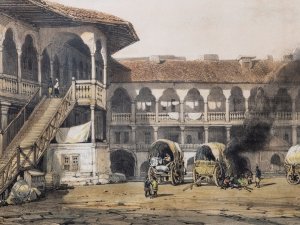
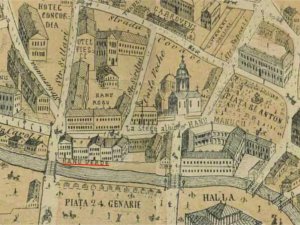
The story of Șerban Vodă Inn in Bucharest, from the refuge of bankers to the State Printing House and boarding house for poor girls

Șerban Vodă Inn was one of the most important commercial establishments of old Bucharest, but also one of those places in which the history of the city could be seen in miniature: trade, shelter, prestige, fires, philanthropy, modernization and, in the end, demolition. Built during the time of Șerban Cantacuzino, between the years 1683 and 1685, th...

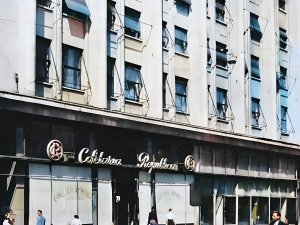
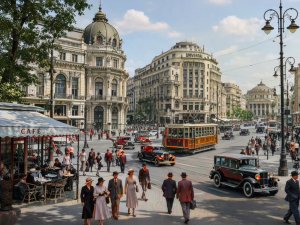
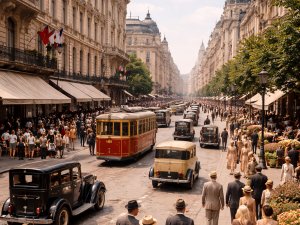
Top 10 things you didn't know about interwar Bucharest

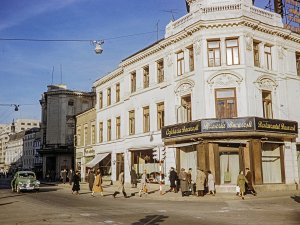
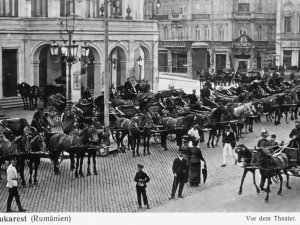
Between 1919 and 1939, Bucharest underwent the most intense transformation in its modern history — demographic, architectural, cultural and social. An era in which the city reinvented itself almost entirely, though not everyone experienced it the same way.1. The population grew by 127% in two decadesIn 1919, Bucharest had just under 400,000 inhabit...

Traditions

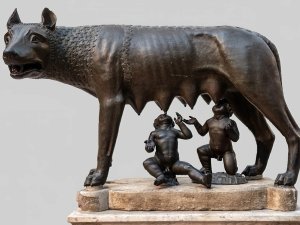
Legends

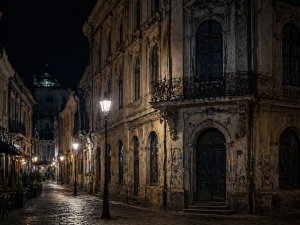
10 interesting things you didn’t know about the Old Town of Bucharest

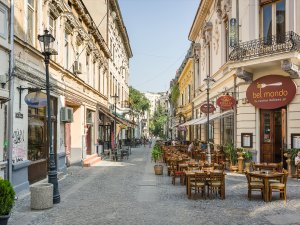
The Old Town of Bucharest is today one of the most lively and photographed places in the capital, however few truly know how deep its historical roots are. The area did not simply appear as a modern commercial or touristic space, but has its origins as early as the Middle Ages, when Bucharest was beginning to take shape as an important economic and...

From Bucharest’s legends: French Street no. 13 or the Haunted Orphanage

Bucharest’s Old Town is not just about restaurants, historic buildings, and busy streets. Beyond the daytime bustle, there is another layer of the city, shaped by urban legends and stories passed down over time. One of the most talked-about is the so-called “Haunted Orphanage” on French Street.This legend has a strong local character and is closely...

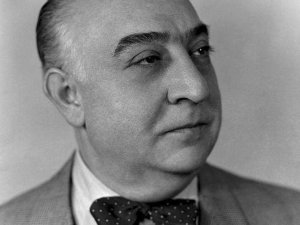
People

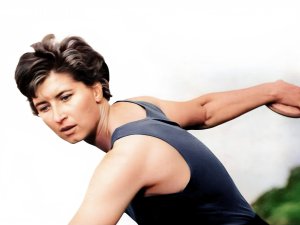
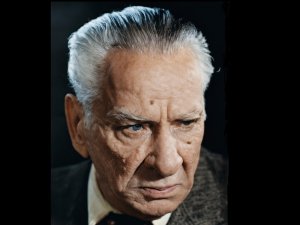
The stars of interwar Bucharest: Floria Capsali, Romania’s greatest ballerina, fled the war to build the first ballet school in our country

In the vibrant interwar Bucharest, where art, culture, and modernity intertwined in a fascinating rhythm, an exceptional figure of dance stood out: Floria Capsali. Considered the greatest ballerina of Romania and one of the most important personalities of choreographic art of the 20th century, her destiny was marked by courage, talent, and an unsha...

FAQ in case you need it

  • Yes, it is generally safe, with occasional petty theft in busy areas. Use common sense precautions.
  • No, but it helps. Many people speak English, especially younger generations and
    professionals.
  • Metro is fastest, public transport is cheap, and ride-sharing (Uber/Bolt) is convenient.
    Walking works great in the city center.
  • Yes. EU citizens can buy freely. Non-EU citizens can buy apartments and rent easily.
  • Bucharest is affordable compared to most EU capitals. Rent, food, and transport are
    reasonably priced. Costs depend on lifestyle.
  • Non-EU citizens need a visa or residence permit. EU citizens must register after 3 months
    with Romanian Immigration.
  • Yes. Public healthcare is accessible, but private clinics offer faster and higher-quality
    services. Health insurance is recommended.
  • Yes. Bucharest has several international schools and English-taught university programs,
    especially in medicine, business, and tech.