The stars of interwar Bucharest: Virginica Popescu embraced acting and music from the age of 13
- Articles
- 29 JAN 26
The interwar period represented one of the most effervescent stages in Romania’s cultural history. Bucharest had become a vibrant city, often nicknamed “Little Paris,” where theatre, music, and cinematography were in continuous expansion. In this context full of creativity and transformation, figures emerged who would come to define an entire era. Among them stood Virginica Popescu, a magnetic presence who won over the public through beauty, talent, and tireless work begun as early as adolescence.
Childhood and the first encounters with the artistic stage
Virginica Popescu was born in a Romania undergoing profound political and economic change. The social atmosphere of the time strongly influenced the destinies of young people, and access to an artistic career was far from easy, especially for girls. Nevertheless, the future actress showed an extraordinary determination from childhood.
At only 13 years old, Virginica began earning her own money, flirting with both acting and music. It was a very young age for such responsibility, yet her desire for self-affirmation and her attraction to the stage proved stronger than any obstacle. Her first appearances brought her not only experience, but also the confidence needed to continue on this demanding path.
A noticed beauty and a talent in full development
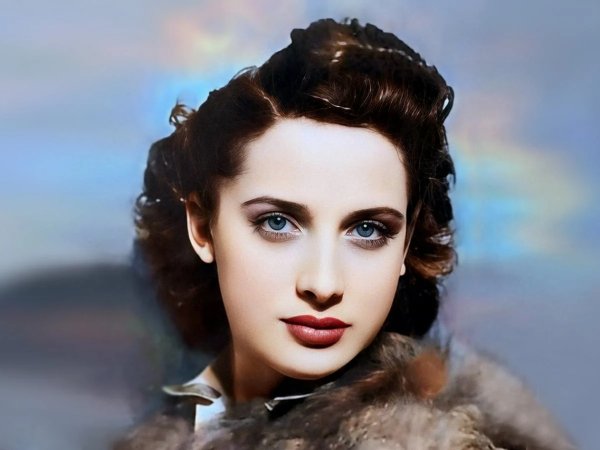
Before long, Virginica Popescu began to be noticed not only for her artistic performances, but also for her distinctive beauty. Her expressive face, intense gaze, and natural elegance quickly turned her into a memorable presence. In an era in which image mattered enormously, these qualities played a decisive role in her rise.
However, the actress did not wish to be perceived merely as a decorative presence. She worked constantly to refine her stage craft, proving that behind her physical appearance lay true artistic depth. This combination of charm and professionalism was the key that opened the doors to major stages and film sets.
Debut in a cinematography at the beginning of its journey
Virginica Popescu’s career took shape at a time when Romanian cinematography was still in its infancy. The film industry was developing rapidly, and local productions were strongly influenced by Western European models. For young actors, this environment represented both a challenge and an opportunity.
Virginica adapted quickly to the demands of the new cinematic art. She learned to combine theatrical expressiveness with the subtlety required by the camera, managing to create credible and captivating characters. In this way, she gradually carved out her own path, becoming one of the actresses who contributed to defining the identity of Romanian cinema.
The films of the 1930s and public recognition
The public began to adore her especially in the first cinematic productions of the early 1930s. This was the period when Romanian film started to gain a distinct profile, slowly breaking away from external influences. Virginica Popescu found herself at the very center of this artistic maturation.
At first, she was often cast in roles that emphasized her beauty, being placed in the “beautiful girl” typecast. However, the actress quickly proved she could surpass this label. She portrayed characters with inner conflicts, intense emotions, and psychological depth, impressing both audiences and critics of the time.
A complete actress between film and theatre
Although cinema brought her notoriety, theatre remained an essential part of her artistic journey. During the interwar years, the theatrical stage continued to be a central pillar of Romanian culture, and Virginica Popescu chose not to abandon this form of expression.
She constantly alternated between theatre performances and film roles, which allowed her to diversify her style and maintain artistic freshness. Her stage presence was praised for its naturalness, expressiveness, and ability to convey genuine emotion. This versatility transformed her into one of the most respected artists of her generation.
Versatility that defined an exceptional career
One of Virginica Popescu’s greatest strengths was her ability to approach extremely different genres. She played tragic roles, sparkling comedies, and adventure films with equal ease. This artistic flexibility contributed decisively to consolidating her status as an emblematic actress of the interwar period.
Her characters were never superficial. Even in seemingly light roles, Virginica added subtle nuances, managing to create memorable figures. It was precisely this attention to detail that made the films in which she appeared enjoy remarkable success with the public.
The obstacles of a difficult era
For actresses of the interwar period, maintaining a stable career was extremely difficult. Social restrictions, moral pressure, and economic hardship represented constant challenges. In addition, the film industry did not always offer financial security or continuity.
Despite all this, Virginica Popescu managed to face these challenges with dignity and perseverance. Through sustained work and professional seriousness, she established herself as one of the most beloved figures of Romanian culture. Her popularity went beyond national borders, earning recognition in international contexts as well.
The diva of interwar Bucharest
In her years of glory, Virginica Popescu was considered a true diva. Her public appearances were closely followed, and the press of the time frequently wrote about her elegant and mysterious style. Admirers worshipped her not only for her talent, but also for her refined personal image.
Her private life became a topic of constant interest, and every social appearance was eagerly awaited. In a Bucharest full of glamour, Virginica Popescu embodied the image of the modern, elegant, and unattainable star typical of Europe’s great capitals.
Decline after historical changes
The peak of her career coincided with the period of maximum development of Romanian interwar cinematography. However, this chapter came to an abrupt end with the outbreak of the Second World War and the radical changes of the political regime.
After the war, the film industry entered a period of stagnation, and many interwar stars were forced to withdraw. Virginica Popescu gradually chose discretion, stepping away from the spotlight. Although her appearances became rarer, the prestige she had earned did not fade.
A cultural imprint that did not fade
Even after her withdrawal, Virginica Popescu remained a reference figure in collective memory. The impact she had on the public and her contribution to the development of Romanian cinema were so powerful that her name continued to be spoken with respect.
The films and performances in which she appeared are today considered true cultural documents, testimonies of a golden age. They offer today’s generations a clear image of the artistic refinement of the interwar period.
The legacy of a legend of the Romanian stage
Today, Virginica Popescu is regarded as a symbol of interwar theatre and cinema. Her charisma, authentic talent, and dedication to her profession continue to inspire actors and film lovers alike. Her name remains associated with elegance, professionalism, and the spirit of a generation that laid solid foundations for modern Romanian culture.
Virginica Popescu was not merely a successful actress, but a true legend. In an era marked by transformation and uncertainty, she managed to shine and leave behind an indelible artistic legacy, confirming her place among the great stars of interwar Bucharest.
We also recommend: The stars of interwar Bucharest: Zizi Șerban, “the most likeable actress at Tănase”