What annoys Bucharest residents the most and why they still don’t give up living in Romania’s capital
By Raluca Ogaru
- Articles
- 27 MAR 26
Bucharest is a city of contrasts, where rapid development meets ongoing urban challenges. For many residents, daily life in the capital can be both rewarding and frustrating. From traffic congestion to infrastructure issues, there are several factors that consistently rank among the biggest sources of dissatisfaction.
At the same time, despite these inconveniences, Bucharest continues to attract and retain a large population. According to data from the National Institute of Statistics, the capital remains the country’s main economic and cultural hub, offering opportunities that are difficult to match elsewhere in Romania.
Traffic and congestion, a daily source of stress
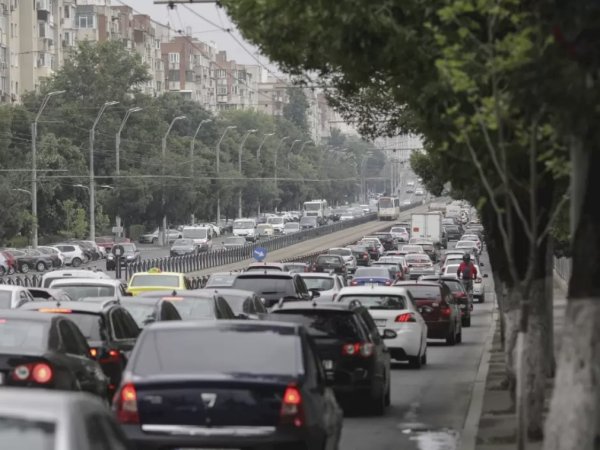
One of the most frequently mentioned problems among Bucharest residents is traffic. The city consistently ranks among the most congested in Europe, with long commute times affecting both drivers and public transport users.
Main boulevards such as Bulevardul Iuliu Maniu or Șoseaua Colentina become bottlenecks during peak hours. In addition, the limited number of parking spaces and ongoing roadworks further complicate daily mobility.
Public transportation, operated by STB SA, is often crowded, especially during rush hours. Although improvements have been made in recent years, many residents still consider it insufficient for a city of Bucharest’s size.
Pollution and urban infrastructure challenges
Air quality is another major concern. Reports and monitoring data frequently show elevated pollution levels, particularly during colder months when traffic and heating systems contribute significantly.
Green spaces, while present in areas like King Mihai I Park, are not evenly distributed across the city. This imbalance contributes to discomfort, especially in densely populated neighborhoods.
Infrastructure issues also remain a recurring topic. Aging buildings, the risk associated with seismic activity, and delayed urban rehabilitation projects create uncertainty for many residents. These challenges are often highlighted in official reports by local authorities and urban development studies.
Cost of living and urban pressure
Another frequent complaint is the rising cost of living. Rent prices, utilities, and daily expenses have increased significantly in recent years, placing pressure on both young professionals and families.
Despite higher wages compared to other regions, many residents feel that expenses have grown at a faster pace. Data from Eurostat indicates that capital cities tend to have higher living costs, and Bucharest follows this trend.
The fast-paced lifestyle, combined with noise and overcrowding, can also contribute to stress. For some, this creates the impression of a city that never truly slows down.
Why people still choose Bucharest
Despite all these challenges, Bucharest continues to be the preferred choice for many Romanians. The main reason is the concentration of opportunities—both professional and educational.
The city hosts major companies, universities, and cultural institutions, offering access to careers and experiences that are less accessible in other parts of the country. Areas like Calea Victoriei or the Old Town provide a vibrant urban lifestyle, with restaurants, events, and social spaces.
Additionally, infrastructure such as Bucharest Metro offers relatively fast connections across key areas, making daily commuting more manageable compared to road traffic.
A balance between challenges and opportunities
Living in Bucharest often means accepting a balance between discomfort and opportunity. While issues such as traffic, pollution, and costs remain significant, the benefits of living in a dynamic capital city continue to outweigh the disadvantages for many residents.
Urban development projects and modernization efforts are ongoing, and while progress may seem slow, they indicate a long-term direction toward improvement. For now, Bucharest remains a city that can be both exhausting and exciting—often at the same time.
WE ALSO RECOMMEND YOU:
The district heating network in Bucharest: between history, problems, and solutions