10 Famous Actors Born in Bucharest and Their Stories
By Eddie Țone
- Articles
- 05 OCT 26
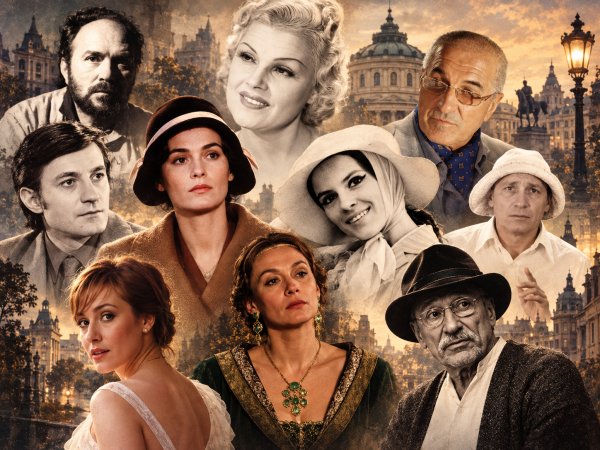
Bucharest has produced actors with such different profiles that the idea of a distinct “Bucharest school” seems almost comical. On the same biographical map, there is room for Victor Rebengiuc’s severity, Gheorghe Dinică’s unmistakable voice, Irina Petrescu’s almost mathematical precision, and Maia Morgenstern’s stage energy. Then there is the remarkable case of Elvira Popescu, who left the Romanian capital for Paris and became one of the great stars of French theatre.
The criterion for this selection is very strict: the place of birth must be Bucharest. So major names such as Amza Pellea, Toma Caragiu, Radu Beligan, Ștefan Iordache or Marcel Iureș are ruled out by the simple geography recorded on their birth certificates. Fame, after all, sometimes has to submit to surprisingly cold administrative rules.
The ten actors below span more than a century of theatre and cinema. Some became defining faces of Romanian film. Others crossed borders and worked in Paris, Hollywood or London. But they all share the same biographical starting point: Bucharest.
1. Victor Rebengiuc: From Apostol Bologa to Ilie Moromete
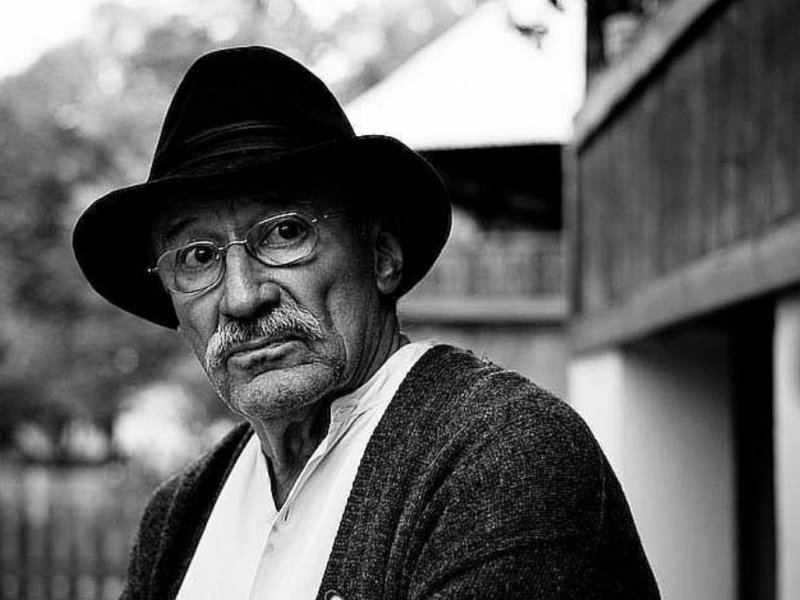
Victor Rebengiuc was born in Bucharest on February 10, 1933, and graduated from the Theatre Institute in 1956, where he studied under Aura Buzescu and Beate Fredanov. From 1957 onward, his professional career became closely associated with the Bulandra Theatre, while cinema would eventually give him some of the defining characters of Romanian film.
One of his first major moments came with Pădurea spânzuraților (Forest of the Hanged), Liviu Ciulei’s 1964 film, in which Rebengiuc played Apostol Bologa. The film would enter Romanian cinema history, while Ciulei won the Best Director award at Cannes in 1965. Two decades later, Stere Gulea cast him as Ilie Moromete in Moromeții. For many viewers, Moromete’s voice has sounded like Rebengiuc’s ever since, a rather inconvenient situation for any reader trying to build the character independently in their own head.
On stage, his career includes productions such as Eugène Ionesco’s Exit the King, in which he played King Bérenger I, Arthur Miller’s All My Sons, and Caragiale’s Conul Leonida față cu reacțiunea. His performance in Exit the King earned him the UNITER Award for Best Actor in a Leading Role in 2018.
His filmography extends far beyond Moromete. Tănase Scatiu, Balanța, Niki Ardelean, colonel în rezervă, Medalia de onoare and Câinele japonez mark just a few stages in a career spanning seven decades. One before which we can only respectfully take off our hats.
2. Gheorghe Dinică: The Boy from Giulești Who Made Dangerous Characters Seem Seductive
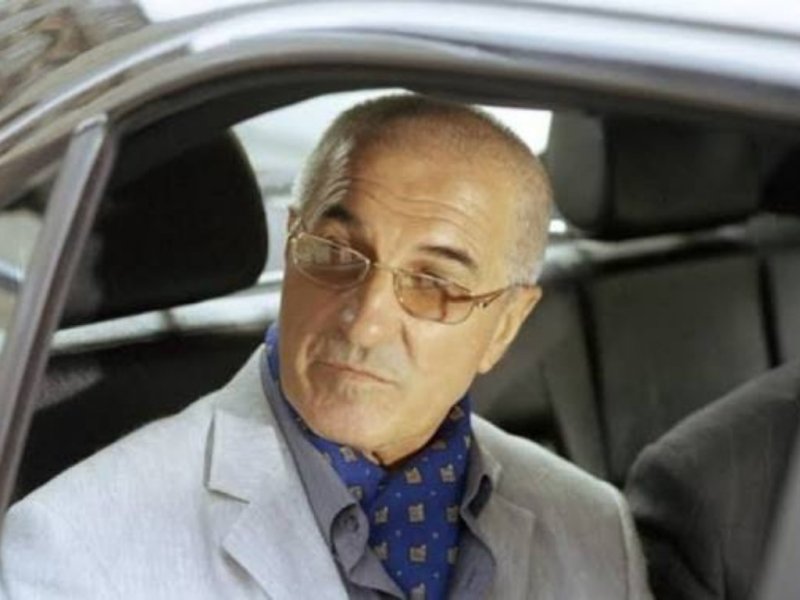
Gheorghe Dinică is officially recorded as having been born in Bucharest on January 1, 1934. He spent his childhood in Giulești, an area that at the time had enough street life to provide a future actor with a substantial collection of faces, gestures and ways of speaking. He graduated from the Institute of Theatre and Cinematographic Art in 1961, from Dina Cocea’s class.
His professional debut came at the Comedy Theatre in J.B. Priestley’s An Inspector Calls. Important roles followed in Troilus and Cressida, Rhinoceros and Capul de rățoi. At the National Theatre, Dinică played Vladimir in Waiting for Godot, Nae Cațavencu in A Lost Letter and Cadîr in Take, Ianke și Cadîr.
Cinema brought him enormous popularity. Stănică Rațiu in Felix și Otilia, Lăscărică in Cu mâinile curate and Paraipan in Un comisar acuză reinforced Dinică’s association with tough, slippery and sometimes downright threatening characters. Later, his role as the Prince in Nae Caranfil’s Filantropica introduced a new generation to the same flawless acting mechanism, built from a glance, a pause and a few words delivered with exactly the right timing. The National Theatre of Bucharest records more than 80 appearances in films and television series.
Dinică could turn the simple act of entering a scene into a small event. The set remained there, of course, but the audience’s attention immediately changed address.
3. Marin Moraru: The Art of Creating Something Enormous from the Smallest Gesture
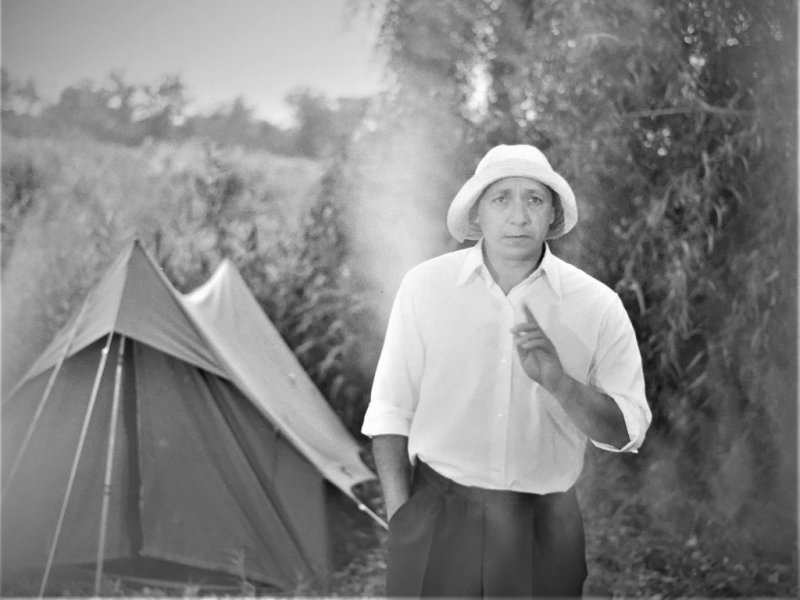
Marin Moraru was born in Bucharest on January 31, 1937. He graduated from the Institute of Theatre and Cinematographic Art in 1961, also from Dina Cocea’s class, in the same graduating year as Gheorghe Dinică. His graduation performance included the role of Agamiță Dandanache in A Lost Letter, a fitting start for an actor who would turn character comedy into an art of remarkable subtlety.
He worked at the Youth Theatre and the Comedy Theatre before moving on to Bulandra and the National Theatre. At the National Theatre of Bucharest, he played Farfuridi in A Lost Letter, Estragon in Waiting for Godot, Ianache Duduleanu in Gaițele and Take in Take, Ianke și Cadîr.
On screen, Moraru appeared in Haiducii, Actorul și sălbaticii, Faleze de nisip and Cuibul de viespi. In Operațiunea Monstrul, he played Corneliu as part of a cast that has become almost mythical in Romanian comedy.
The secret of his comic effect often lay in economy. An eyebrow raised by two millimetres could achieve results for which other actors might have required half a page of dialogue and a piece of furniture.
4. George Constantin: The Actor Who Failed His First Exam and Came Back
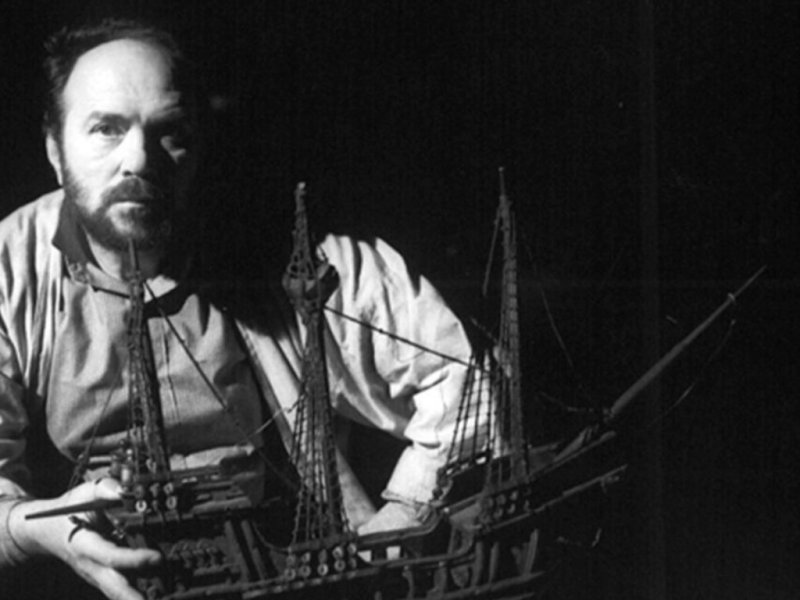
George Constantin was born in Bucharest on May 3, 1933. The story of how he entered the profession contains a splendid episode for anyone inclined to treat a failed exam as a cosmic verdict. In 1951, he applied to the theatre department of the Institute of Theatre and Cinematographic Art and was rejected. He subsequently entered the cinematography department, then returned before the acting admissions committee one year later and was accepted.
His career became particularly associated with the Nottara Theatre, where he built a reputation as an actor of tremendous dramatic force. In cinema, his role as the Prosecutor in Lucian Pintilie’s Reconstituirea remains one of his landmarks. Made in 1968 and released in 1970, the film follows the transformation of an apparently routine police reconstruction into a tragedy. George Constantin stands at the heart of the machinery of authority, with a chilling performance whose coldness weighs on the film until its final moments.
Roles followed in Cu mâinile curate, Ultimul cartuș, Bietul Ioanide, Cuibul de viespi and Cel mai iubit dintre pământeni. His final film was Lucian Pintilie’s O vară de neuitat, made in 1994.
George Constantin died in April 1994. His son, Mihai Constantin, continued in the profession, turning the Constantin family into a small chapter of its own in Romanian theatre.
5. Ion Caramitru: Shakespeare, “Liceenii” and a Career That Crossed Many Worlds
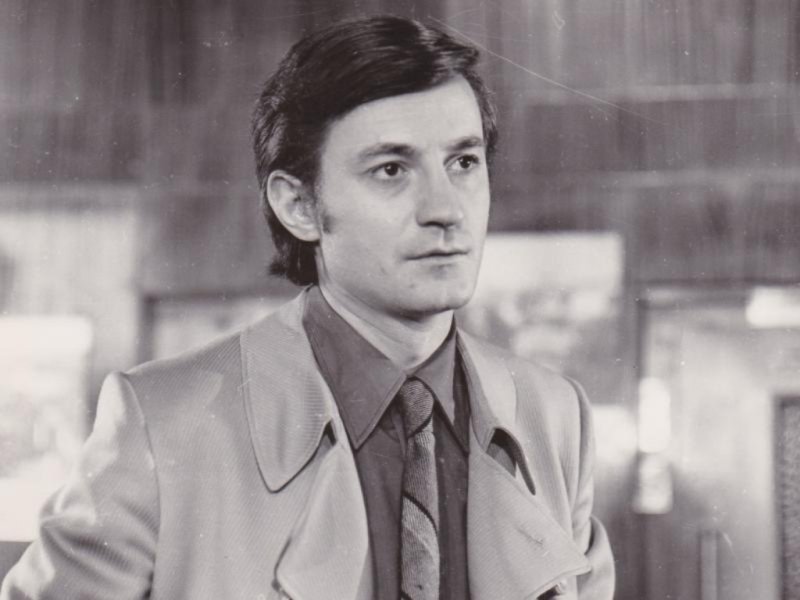
Ion Caramitru was born in Bucharest on March 9, 1942. He graduated from the Institute of Theatre and Cinematographic Art in 1964 and, that same year, made his debut at the National Theatre in the title role of Mircea Ștefănescu’s Eminescu.
Shakespeare occupies a substantial part of his stage biography. He played Romeo in Romeo and Juliet, Prospero in The Tempest, Macbeth, and Shylock in The Merchant of Venice. Towards the end of his career, audiences at the National Theatre of Bucharest could also see him in Dineu cu proști, where he played Pierre.
For viewers who grew up with Romanian films of the 1980s, Caramitru also remains Professor Socrate from Declarație de dragoste and Liceenii. His international career added appearances in Citizen X, Mission: Impossible and Amen. In the 1996 Hollywood production Mission: Impossible, starring Tom Cruise, Caramitru appeared as Zozimov.
His biography extends well beyond acting. He managed the National Theatre of Bucharest from 2005 until 2021 and served as president of UNITER from 1990. For a single professional lifetime, the schedule seems almost indecently full.
6. Irina Petrescu: The Cerebral Elegance of Romanian Cinema
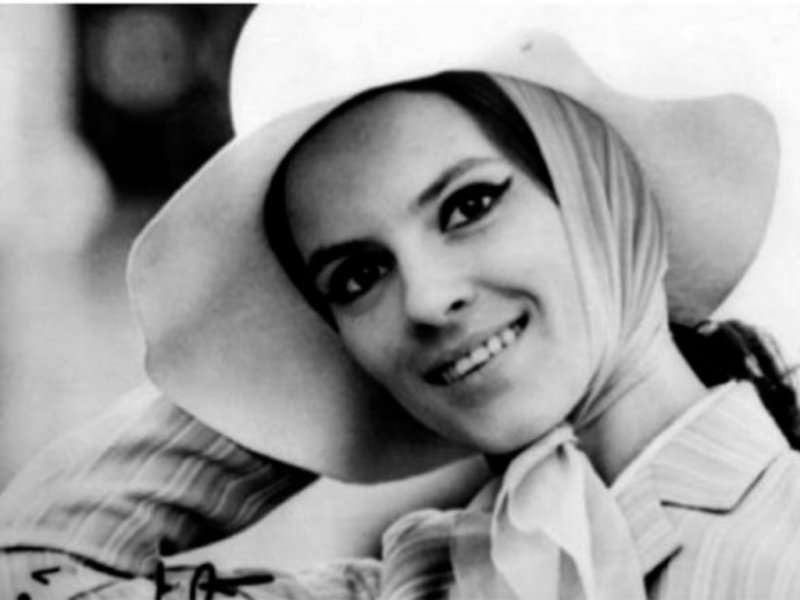
Irina Petrescu was born in Bucharest on June 19, 1941. Her path towards acting began in an almost cinematic fashion. She had enrolled in the Faculty of Philology when director Savel Stiopul noticed her in a restaurant and invited her to audition for a film. That particular project never materialised, but the encounter steered her towards the Institute of Theatre and Cinematographic Art, from which she graduated in 1963.
She made her Bulandra debut in Noaptea e un sfetnic bun, directed by Radu Penciulescu. On the same stage she later appeared in Leonce and Lena and Twelfth Night, both associated with director Liviu Ciulei. Later still, she performed in Samuel Beckett’s Endgame, directed by Alexandru Tocilescu.
In cinema, Irina Petrescu’s face became one of the symbols of Romanian urban modernity in the 1960s and 1970s. Lucian Pintilie’s Duminică la ora 6 occupies a central place in her filmography, alongside Răutăciosul adolescent and other productions from the period.
She possessed a presence perfectly suited to the close-up. The camera could remain perfectly still and let her expression handle the administrative work.
7. Maia Morgenstern: From Andrei Șerban’s Medea to Mel Gibson’s Mary
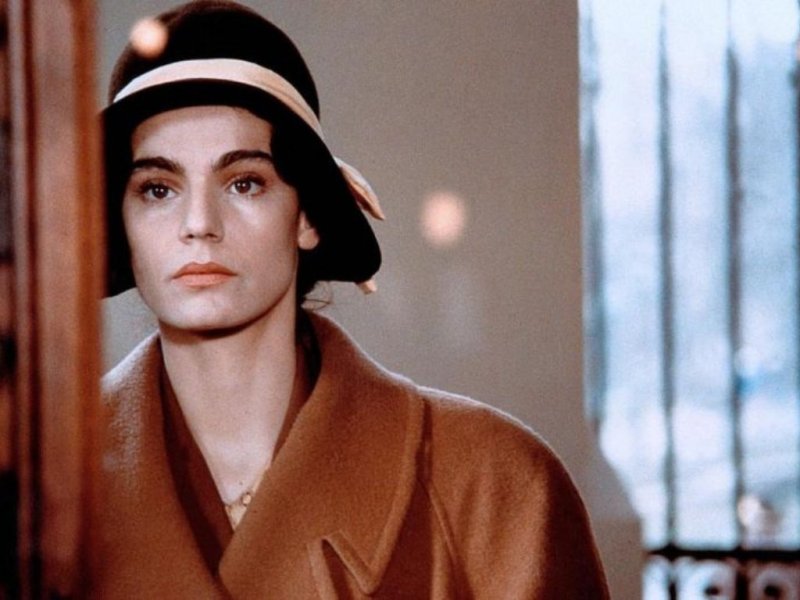
Maia Morgenstern was born in Bucharest on May 1, 1962, and graduated from the Institute of Theatre and Cinematographic Art in 1985, where she studied under Dem Rădulescu. Her theatre career took off in the early 1990s, when she played Medea in Andrei Șerban’s celebrated Ancient Trilogy. The role earned her a UNITER Award.
She went on to play Viola in Twelfth Night, Ranevskaya in The Cherry Orchard and Haya in Ghetto. At the National Theatre of Bucharest, she later portrayed Catherine the Great and Klara Zachanassian in The Visit.
Cinema gave her two very different international landmarks. In Lucian Pintilie’s Balanța, Maia Morgenstern plays Nela, a performance that brought her significant European recognition. In 2004, she portrayed Mary, the mother of Jesus, in Mel Gibson’s The Passion of the Christ.
From 2012 until 2025, she headed the State Jewish Theatre, after which she retired. Between Shakespeare, Vișniec and Hollywood, her professional career resembles the programme of a festival whose curator suddenly decided to use every available theatre.
8. Oana Pellea: A Career Built Under a Famous Name and Carried Along Her Own Path
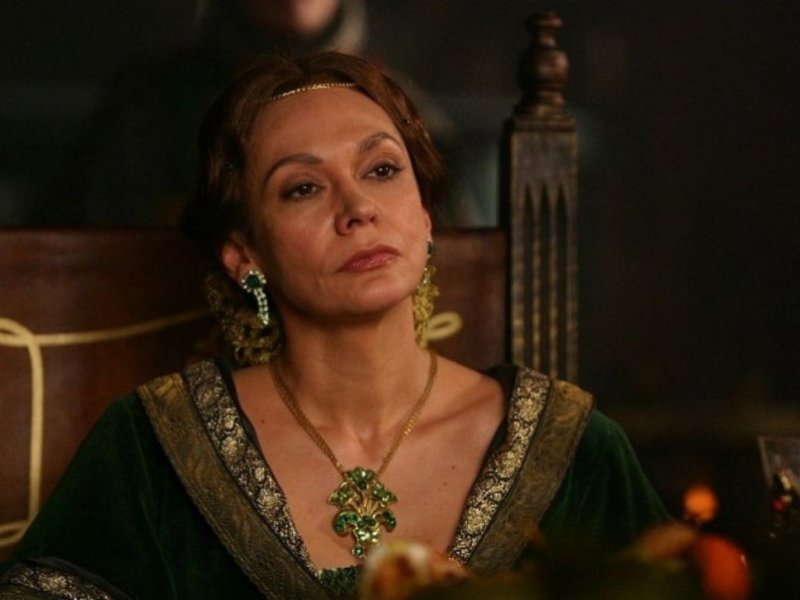
Oana Pellea was born in Bucharest on January 29, 1962, the daughter of Domnica Pellea and Amza Pellea. She graduated from the Institute of Theatre and Cinematographic Art in 1984, from Sanda Manu’s class. She spent her first years on stage at the theatre in Piatra Neamț, and in 1987 became an actress at the Bulandra Theatre.
At Bulandra, she played Masha in Three Sisters, Katherina in The Taming of the Shrew, and appeared in productions including Julius Caesar and Mephisto. Her theatre career took her extensively to international festivals, while from 1999 onward she worked largely as an independent artist.
International cinema brought her an appearance in one of the major films of the 2000s, Alfonso Cuarón’s Children of Men, where she acted alongside Clive Owen and Julianne Moore. This was followed by the British production I Really Hate My Job and the film Bibliothèque Pascal.
In recent years, Oana Pellea has also added directing to her artistic career, staging and performing the one-woman show Evadarea tăcută, based on Lena Constante’s memoirs, at the National Theatre of Bucharest.
9. Medeea Marinescu – The Actress Who Entered Cinema at the Age of Three
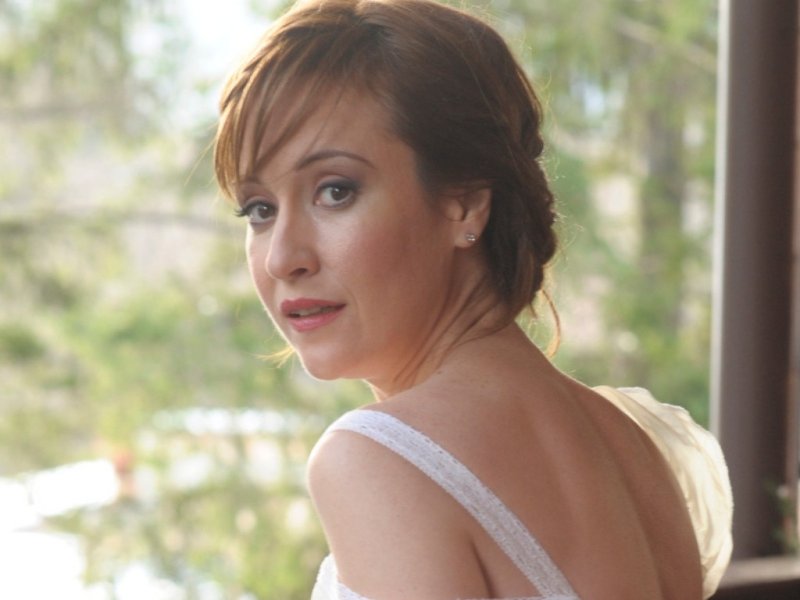
Medeea Marinescu was born in Bucharest on May 27, 1974, into a family directly connected with the film industry. Her father, Ion Marinescu, was a cinematographer, while her mother, Violeta Marinescu, worked as a make-up artist. Her contact with film sets came early. Very early, in fact. At the age of three, she was already appearing in Iarna bobocilor.
At six, she played Mirabela in Ion Popescu-Gopo’s film Maria, Mirabela. For the generations who grew up with the movie, the image of the little girl remained so powerful that the actress’s adult career had to overcome one of the most formidable rivals imaginable: her own cinematic childhood.
Medeea Marinescu graduated from the Academy of Theatre and Film in 1996, from Florin Zamfirescu’s class. She subsequently worked consistently in theatre, including at the National Theatre of Bucharest, where her recent repertoire includes Perplex, Bolta cerească and The Threepenny Opera.
In French cinema, she appeared in Je vous trouve très beau alongside Michel Blanc, while in Romania she acted in productions including 03.ByPass and Zavera.
10. Elvira Popescu: The Bucharest-Born Actress Who Became “Notre Dame du Théâtre” in Paris
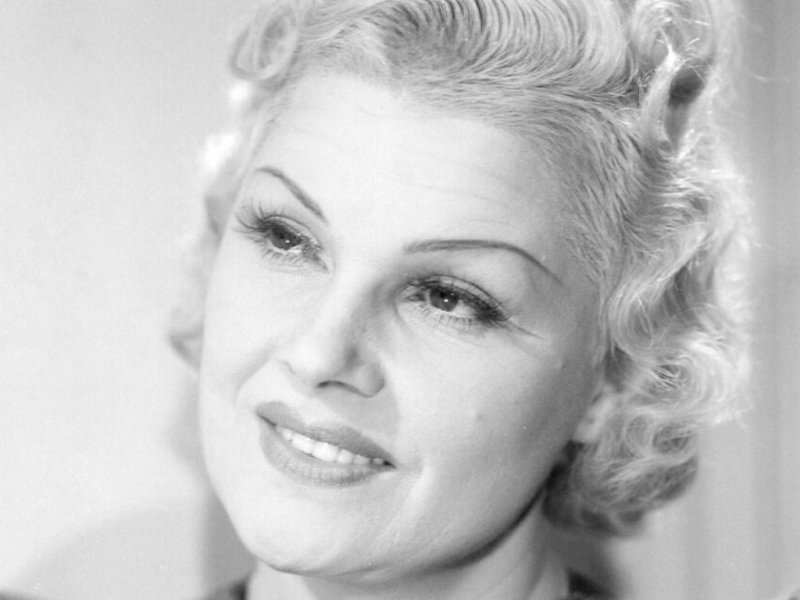
The story of Elvira Popescu begins in Bucharest, where she was born in May 1894, according to Radio România Cultural; some biographical sources give 1896 as the year of her birth, a discrepancy resulting from differing historical documentation. What remains certain is her birthplace: Bucharest. She studied at the Conservatory of Dramatic Art, where her teachers included Aristizza Romanescu and C.I. Nottara.
At just 16, she appeared on the stage of the National Theatre in Victor Eftimiu’s Înșir-te mărgărite. Soon afterwards she played Tofana in Mihail Sorbul’s Patima roșie. She managed the Excelsior Theatre and helped found the Teatrul Mic, suggesting that her managerial instinct had arrived as part of the same package as her talent for the stage.
The decisive moment came with her departure for Paris. There she became Elvire Popesco and rose to become one of the stars of French boulevard theatre. Louis Verneuil wrote for her, and Ma cousine de Varsovie brought her enormous success. She later appeared in Tovaritch and La Mamma, while her French career continued for decades. Parisian audiences and the press bestowed upon her the nickname “Notre Dame du Théâtre.”
She also had a film career, appearing in Abel Gance’s Austerlitz and René Clément’s Plein Soleil. In 1993, she became a foreign honorary member of the Romanian Academy. In Paris, a theatre at the Théâtre Marigny bears her name, while in Bucharest the French Institute’s Cinema Elvire Popesco preserves the same memory.
Bucharest Behind the Curtain
Taken together, these ten biographies also say something about the Romanian capital. Bucharest appears at times as a city of repertory theatres, at others as a breeding ground for cinema and, in Elvira Popescu’s case, as a launching point for Paris. Generations change, institutions change their names, and film cameras become smaller and smaller. Acting remains the same profession, impossible to conceal when it encounters the right performer.
Perhaps the nicest part of the story is that a single city provided the starting point for ten careers that resemble one another very little. Fortunately for the theatre, uniformity was left to the extras’ costumes.
You may also like: Stars of Interwar Bucharest: Elvira Popescu, the actress who played in Hollywood with Alain Delon and Claudia Cardinale