Symbols of Bucharest: Sala Luceafărul, Cinema PRO and the history of one of the most popular cinemas in the Capital
- Articles
- 25 MAY 26
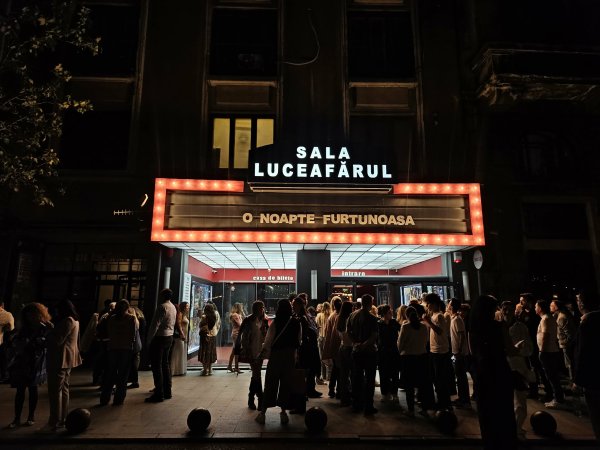
Bucharest has always been a city of contrasts, of interwar elegance and continuous transformations, and its cultural history is closely connected to the great cinema and performance halls that defined entire generations. Among these emblematic places is also Sala Luceafărul, known over time as Cinema Luceafărul or Cinema PRO. For many people from Bucharest, this hall represents more than a simple place intended for films or theatre. It is a symbol of the cultural life of the Capital, a place filled with memories and emotions, which managed to cross decades without losing its charm. Located in a building with classical architecture, in the center of Bucharest, Sala Luceafărul witnessed important moments from the history of Romanian cinematography and theatre. From the period in which cinemas represented the main meeting points of the city and up to its transformation into a modern multifunctional cultural space, the story of this place perfectly reflects the evolution of entertainment and urban culture in Romania.
From Cinema Luceafărul to Cinema PRO and back to the original identity
The history of the hall begins during the period when boulevard cinemas represented the center of Bucharest social life. In the years when television did not yet dominate people’s free time, going to the cinema was a true ritual. The large, elegant halls, the lights of the advertisements and the crowd at the ticket offices were part of the charm of an era in which film was one of the most important forms of entertainment.
The former Cinema Luceafărul quickly became one of the most popular cinemas in Bucharest. Its central location and special atmosphere attracted entire generations of spectators. Later, together with the modernization and changes in the cinematographic industry, the hall was renamed Cinema PRO, a name that became extremely well-known especially during the 1990s and the beginning of the 2000s.
For many Romanians, Cinema PRO represented the contact with modern Western cinematography and with the spectacular visual experiences that very few other halls in the Capital could offer at that time. During its glory period, the cinema was considered one of the most modern in Bucharest, both from a technical point of view and in terms of the comfort offered to the public.
The return to the original name, Sala Luceafărul, was seen as a gesture of respect for the history and cultural identity of the place. The decision did not mean a return to the past, but a reconnection with the tradition and cultural values that defined this hall for decades.
The golden age of Bucharest cinemas
Before the appearance of streaming platforms and modern multiplexes, the classical cinemas of Bucharest had an essential role in the social life of the city. Going out to a film represented an event in itself, and the famous halls in the center of the Capital had become true urban landmarks.
In the 1990s, Cinema PRO was considered one of the most modern cinemas in Romania. Many spectators still remember today the experience of the first film seen here. For numerous movie lovers, the American production “Independence Day” was one of the emblematic films projected in the hall and a memorable moment for the Bucharest public.
During that period, the experience of going to the cinema was completely different from today’s one. People stood in queues for tickets, discussed films before the screening and transformed the cinema outing into a complete social experience. The atmosphere around the great cinemas of Bucharest had something special, and Sala Luceafărul was among the most appreciated places of this kind.
The quality of the image and sound was considered impressive for the standards of those times. Compared to other halls in the Capital, Cinema PRO offered a modern and spectacular technological experience, which quickly transformed it into a favorite place both for young people and families.
A space dedicated to major cultural events
Over time, Sala Luceafărul was not only a simple cinema. The hall became a true cultural center of Bucharest, hosting festivals, premieres and important artistic events.
Among the best-known events organized here are White Night of Romanian Film and Festivalul Dakino, cultural manifestations that attracted cinema lovers from all over the country. These events consolidated the status of the hall as an important landmark of Romanian cinematography.
The public had the opportunity to watch remarkable Romanian productions here, and the classical atmosphere of the hall perfectly matched auteur films and special artistic creations. A memorable example is the film Aferim!, whose black-and-white aesthetics resonated perfectly with the elegance and architectural charm of the hall.
These screenings transformed Sala Luceafărul into a space in which cinematography and collective emotion meet in an authentic way. Unlike modern commercial cinemas, the atmosphere here preserves something from the refinement and solemnity of old European cinema halls.
Transformation into a modern theatre stage
Together with the changes in the cinematographic industry and the evolution of the public’s preferences, Sala Luceafărul extended its activity towards theatre performances, concerts and complex artistic events.
Today, the hall is a multifunctional space that manages to combine cinematographic tradition with the energy of contemporary theatre. Numerous successful performances were hosted here, and the Bucharest public quickly discovered that the intimate atmosphere of the hall is ideal for quality theatre productions.
Among the productions appreciated by spectators are performances such as “Steel Magnolias” and “In the Rain”, in which well-known actors such as Marius Manole and Istvan Teglas performed. The presence of such artists consolidated the reputation of the hall as a prestigious cultural space.
The relationship between actors and the public is special in this hall. Due to the balanced dimensions and the very good acoustics, spectators feel a direct connection with the stage, and the theatrical experience becomes much more intense and authentic.
The classical architecture and interwar charm of the hall
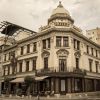
One of the greatest qualities of Sala Luceafărul is the building in which it functions. The construction preserves strong influences of Bucharest interwar architecture and offers an elegant and sophisticated image.
The classical details of the building contribute to the distinct identity of this cultural space. Unlike modern cinemas placed in shopping centers, Sala Luceafărul preserves the bohemian and refined atmosphere of the old performance halls in Bucharest.
The modernly rearranged interior respects the original spirit of the building and manages to combine tradition with contemporary technology. The spacious foyer, elegant design and comfort offered to the public transform each visit into a special experience.
The architecture also influences the artistic experience itself. The very good acoustics and the dimensions of the hall create a feeling of closeness between the public and the stage, an essential element for theatre performances and live concerts.
The modernization of the hall and adaptation to new generations
The modern rearrangement of Sala Luceafărul represented an important step for bringing this space back into the center of Bucharest cultural life. The modernization did not mean giving up the original identity, but adapting it to the requirements of the contemporary public.
Today, the hall has approximately 500 comfortable seats, a generous stage and modern technical equipment, capable of supporting varied performances, from cinematographic screenings and theatre plays to concerts and conferences.
The latest-generation technical facilities allow the organization of complex events and offer spectators excellent viewing and listening conditions. At the same time, the space preserves the elegance and atmosphere that made it famous throughout the decades.
The public that comes today to Sala Luceafărul includes both nostalgic people, who remember the Cinema PRO period, and young people attracted by the modern cultural events organized here. This combination between generations demonstrates the capacity of the hall to remain relevant in a cultural landscape in continuous change.
Sala Luceafărul and its role in the culture of Bucharest
Over time, Sala Luceafărul became more than a performance hall. It is a symbol of cultural continuity and a place that keeps alive the memory of an era in which cinemas represented true social centers of the city.
In a Bucharest increasingly dominated by modern buildings and impersonal commercial spaces, the existence of places such as Sala Luceafărul is extremely important. These spaces preserve the cultural identity of the city and offer the public authentic experiences, different from the rapid consumption of entertainment specific to the present.
The hall continues to promote Romanian culture and to offer a space of expression for artists from diverse fields. Through the varied repertoire and the events constantly organized, it manages to attract a numerous public and to remain an important landmark in the artistic life of the Capital.
A cultural jewel that continues to write history
The story of Sala Luceafărul is, in many ways, the story of cultural Bucharest. From the period of classical cinemas and up to the transformation into a modern multifunctional artistic space, this hall managed to preserve its relevance and charm.
The return to the original name represented a symbolic recovery of its historical identity, and the carefully made modernization transformed it into a space perfectly adapted to the present. Today, Sala Luceafărul offers spectators the possibility to relive the elegance of a bygone era, without giving up contemporary comfort and technology.
Whether it is about film screenings, theatre performances, concerts or cultural festivals, Sala Luceafărul remains one of the most important artistic symbols of Bucharest. It is a place in which the past and the present coexist harmoniously and where culture continues to occupy a central place in the life of the city.
We also recommend: Cinema Volga, Studio Martin and today’s ruins. How one of Bucharest’s oldest cinemas disappeared