10 Buildings in Bucharest with Spy Stories
By Eddie Țone
- Articles
- 16 MAR 26
Bucharest has always been fertile ground for intrigues whispered somewhere between diplomatic protocol and pure paranoia. The city has a strange structure, built in layers of history that overlap like sheets of pastry, where old balconies once hid the perfect vantage point for discreet surveillance and where almost every hotel basement probably hosted more recording devices than silver cutlery.
In Bucharest, espionage functioned as an everyday activity, almost a national sport practiced with Balkan elegance, where betrayals could unfold between a plate of grilled mici and a cup of sand-brewed coffee. The walls of many Bucharest buildings have heard secrets capable of reshaping the maps of Europe, while their often opulent architecture served as a convenient façade for activities that any honest citizen might associate with pulp spy novels.
From the interwar aristocracy selling information in luxury bars to the listening technology of the Cold War, the Romanian capital remains a living museum of sharpened ears. For that reason, here are ten buildings that once made a pact with the “devil” of espionage.
Athénée Palace Hotel – the English Bar and the microphones in the pillows
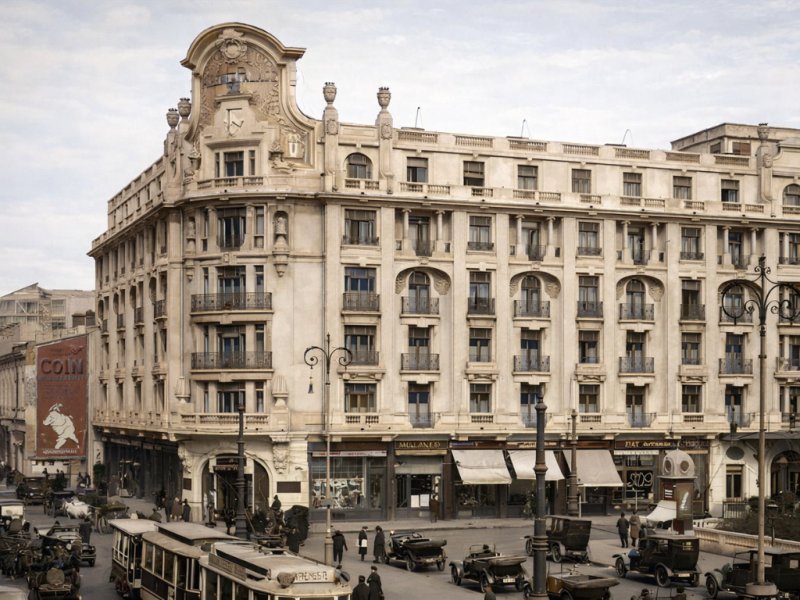
If the walls of the Athénée Palace (today the InterContinental Athénée Palace) could speak, they would probably do so in several languages, with perfect accents and extreme caution.
During the Second World War and later, throughout the harsh decades of communism, the hotel functioned as a massive vacuum cleaner for information. The English Bar on the ground floor became a meeting point where diplomats, foreign journalists, and informers of the Securitate shared the same dense air of cigarette smoke and hidden intentions.
According to long-circulating stories, during the reconstruction carried out under the Ceaușescu regime every room was equipped with such a dense network of microphones that the staff joked guests no longer needed to speak loudly in order to be heard at headquarters.
Hotel employees were trained to observe everything, from a guest’s preferred drink to the number of nocturnal visitors. The famous “swallows,” strikingly beautiful women recruited to seduce foreign diplomats, formed part of the place’s unofficial inventory.
Baroness Rose de Waldeck, an American journalist and Newsweek correspondent who lived here in the 1940s, described the hotel as a living organism that seemed to know everything about everyone before they even unpacked their luggage. Athénée Palace remains the ultimate symbol of a Bucharest where discretion was a rare commodity and where the walls quite literally had ears.
The Telephone Palace – the absolute ear of Victory Avenue
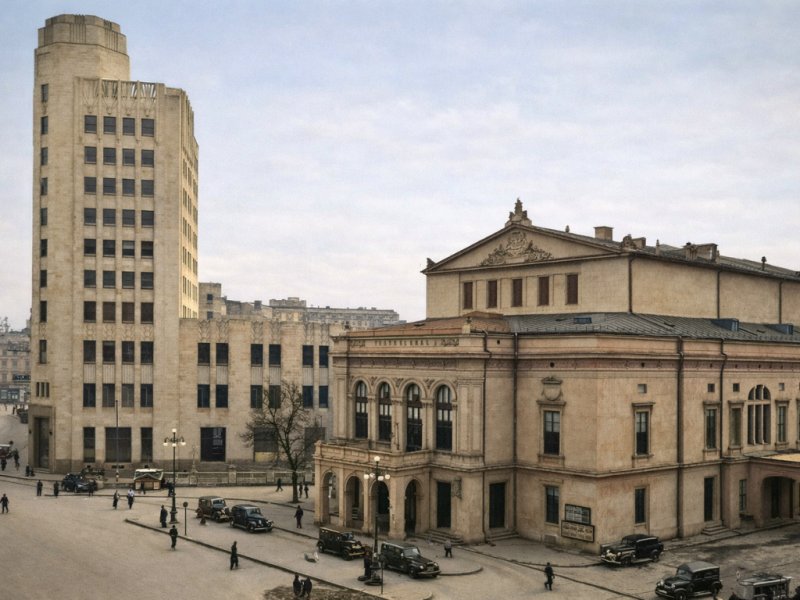
When it was completed in 1933, the Telephone Palace stood as the tallest building in Bucharest, an American-style skyscraper that seemed to defy both gravity and the architectural common sense of the surrounding area.
Behind its modern façade lay the technical heart of Romania’s surveillance system. The flow of information inevitably passed through its relays. Intelligence services quickly understood that whoever controlled the telephone wires controlled reality itself.
During the communist regime, specialized interception units operated inside the building. Officers spent their days listening to thousands of conversations, attempting to identify even the faintest signs of dissidence or collaboration with foreign powers.
The building’s metallic structure allowed listening equipment to be installed with relative ease, turning the palace into a command center for what today would be called mass surveillance. Employees working at the telephone exchanges underwent strict screening, and many were active collaborators with state security agencies.
The Telephone Palace was a place where silence was golden, while the words of others were carefully transformed into detailed written reports. Even today the building retains an aura of technological mystery, a reminder of a time when a simple connection error could mean someone had just tapped into your private line.
The Danube Building – surveillance from above
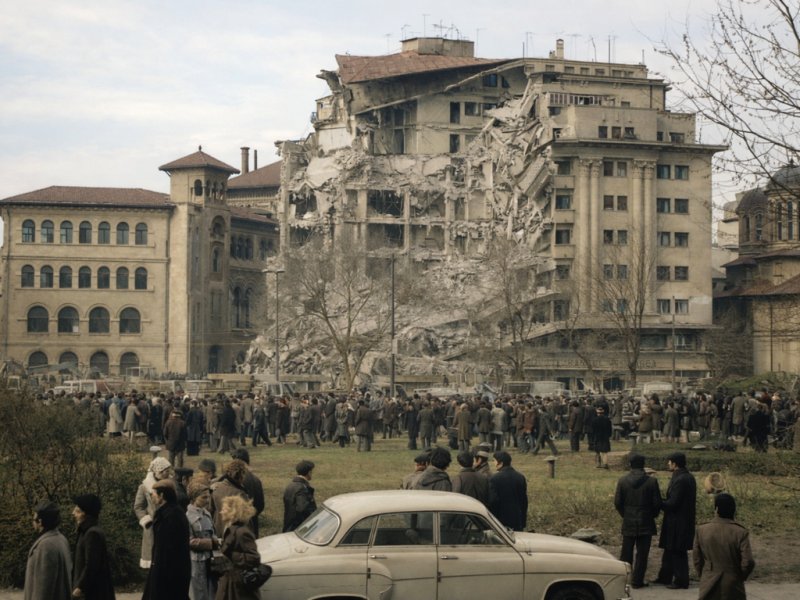
Strategically located in University Square, the Danube Building once served as an ideal observation point for the events shaping the city center.
During the dictatorship, apartments on the upper floors were frequently requisitioned or occupied by individuals tasked with monitoring activity in the square and identifying potential protest leaders. The clear view toward the University balcony and the main intersection turned the building into a strategic asset for surveillance units.
When part of the structure collapsed during the 1977 earthquake, urban legends claimed that previously hidden spaces were revealed inside the building, spaces that appeared to serve purposes other than residential life.
After reconstruction, control remained just as strict. Its position allowed the installation of powerful zoom cameras capable of capturing detailed images of people passing the Intercontinental Hotel or heading toward Batiștei Street.
The Danube Building represents a classic example of civilian architecture used as an instrument of social control, where the everyday lives of residents unfolded under the attentive gaze of those “living” in apartments without curtains.
Casa Vernescu – roulette, luxury, and diplomatic secrets
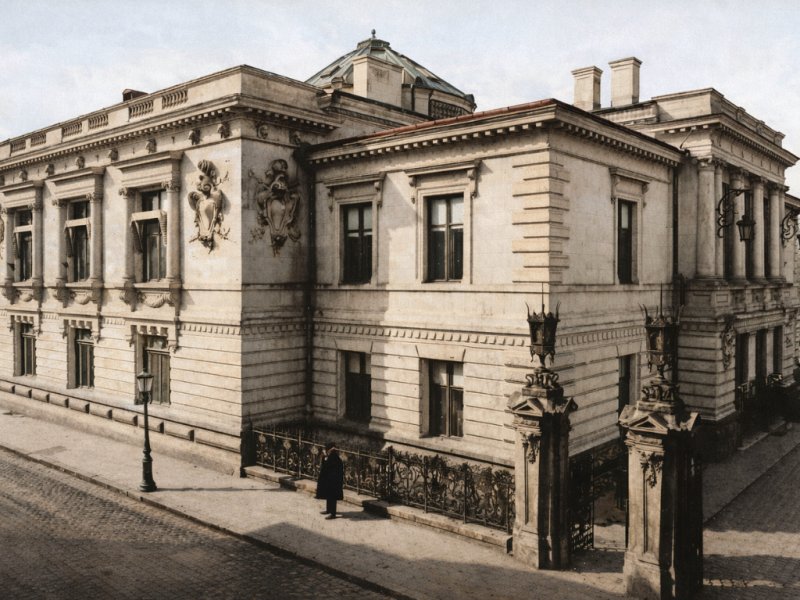
On Victory Avenue, Casa Vernescu has long attracted the elite of Bucharest, offering a sumptuous setting for gambling and business meetings. Yet wherever fortunes are lost at the roulette table, valuable information tends to be won.
During the 19th and early 20th centuries, the house witnessed political negotiations conducted in the strictest confidence. Foreign diplomats frequenting the casino often fell into traps laid by experienced spies who used gambling debts to extract state secrets.
The opulent atmosphere provided the perfect cover for what might be called corridor diplomacy. Auxiliary staff reportedly included individuals capable of reading documents from a distance or memorizing fragments of seemingly trivial conversations that, once assembled, formed the puzzle of a conspiracy.
Casa Vernescu remains in the city’s memory as a place of risk, where the stakes were not always money but political influence and control over governmental decisions, all unfolding under the silent gaze of gilded statues and frescoes.
Zodiac Building – modernist architecture and watchful eyes
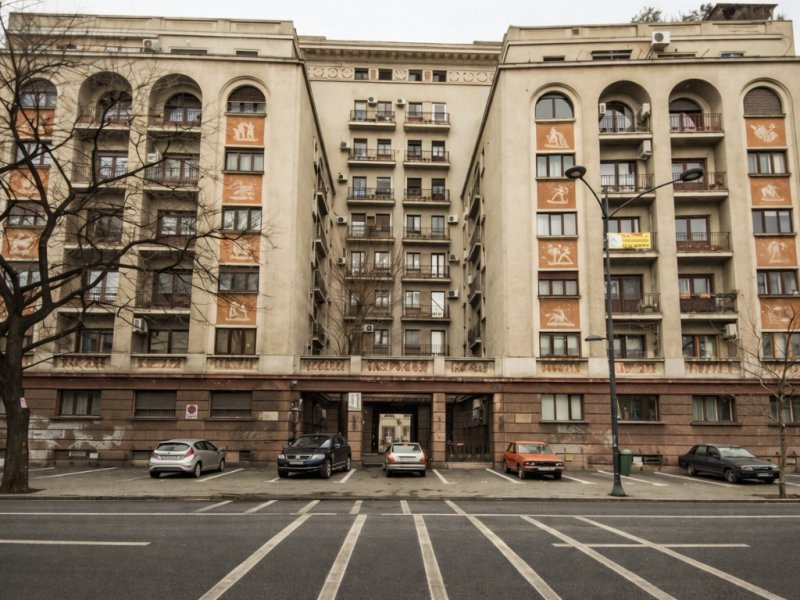
The Zodiac Building, a modernist gem on Dorobanți Avenue, hides beneath its façade decorated with zodiac signs a history linked to the monitoring of intellectual and political elites.
Because it was a prestigious address, numerous personalities lived here under the constant scrutiny of intelligence services. The building’s architecture, with generous balconies and wide views over the neighborhood, made it easy to monitor who entered and left the area.
During the 1950s and 1960s, Dorobanți became a magnet for diplomatic missions. The Zodiac Building offered a discreet observation point for those tasked with tracking movements around nearby embassy villas.
Its secrets include the installation of operational surveillance equipment within thin walls, where conversations about art or literature often took place against the background hum of state tape recorders. Here, aesthetics met the practical needs of surveillance, turning a residential building into an advanced data-collection post.
Casa Melik – the oldest house and the secrets of the Masons
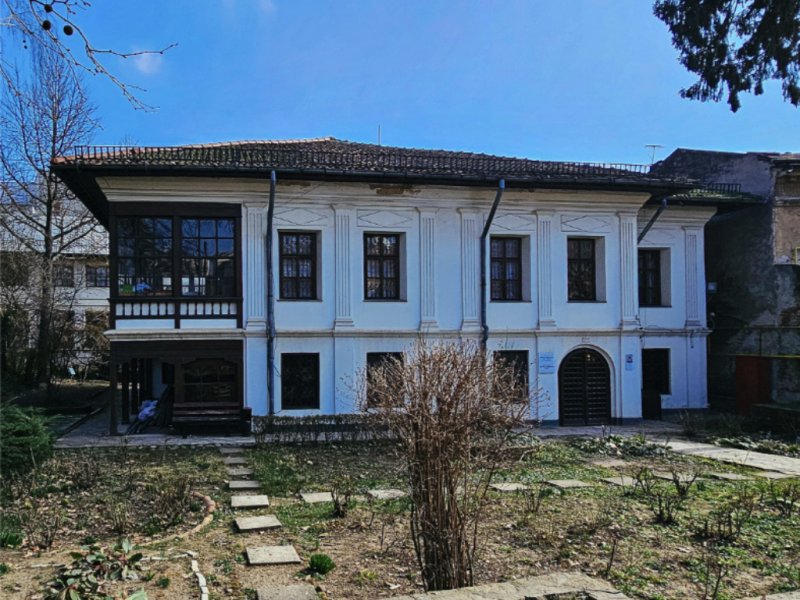
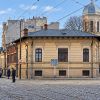
Casa Melik, considered the oldest surviving civil residence in Bucharest, has long been associated with secret societies and the early beginnings of Romanian intelligence activity.
Today it hosts the Theodor Pallady Museum, yet in the mid-19th century the building served as a meeting place for prominent figures of the 1848 Revolution. The revolutionaries used discreet residences like this one to plan the overthrow of regimes, communicating through coded messages hidden in seemingly ordinary correspondence.
Legends about underground tunnels connecting the house to other buildings in the area have always fueled its aura of mystery. At a time when espionage relied heavily on loyalty to a national cause, this space functioned as a refuge for those operating in the shadows for the independence of the Romanian principalities.
Its structure, filled with niches and transitional rooms, allowed for quick meetings and discreet escapes, making it an ideal headquarters for activities that needed to remain far from the eyes of the secret police.
Hotel Lido – the wave pool and eavesdropping in a bathing suit
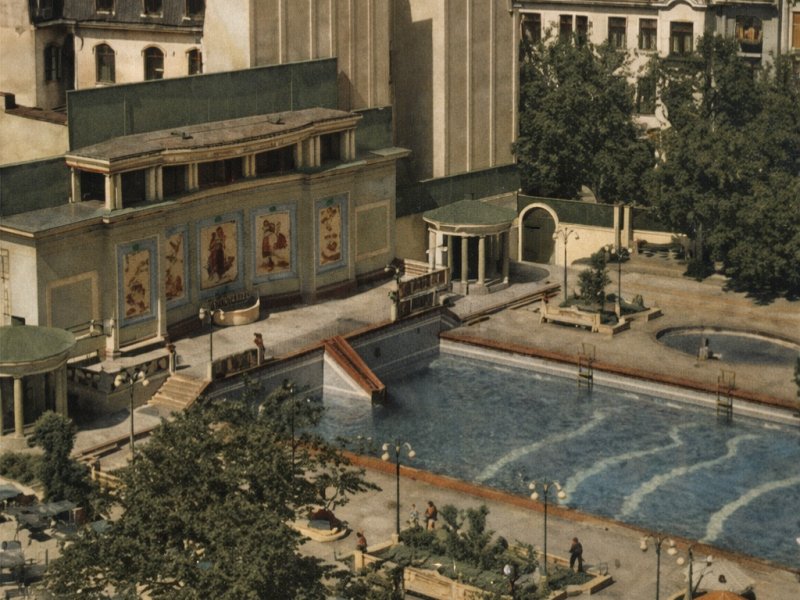
During the interwar years, Hotel Lido represented the height of technological sophistication, famous for its artificial wave pool.
Beneath the glitter of receptions and jazz music, however, the hotel attracted foreign agents and local informers alike. Its central location on Magheru Boulevard made it the perfect transit point for anyone wishing to blend into the crowd while passing along coded messages.
During the Cold War, the hotel was equipped with audio surveillance systems covering both guest rooms and common areas. Reports claim that microphones were hidden in decorative objects or even plumbing installations, ensuring that no private conversation remained truly private.
At Lido, relaxation was largely an illusion, and high-ranking guests understood that the price of luxury included careful monitoring of every word spoken between two swimming sessions.
The „Adam” store Building – a concrete barrier against foreign ears
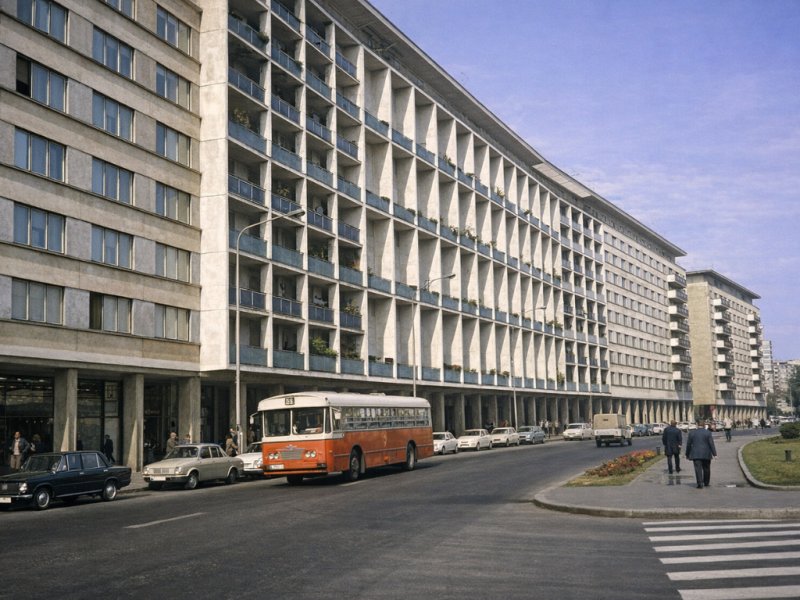
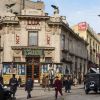
The building at 11 Ion Câmpineanu Street (corner with Nicolae Bălcescu Street), the massive structure that housed the famous men’s clothing store “Adam” on the ground floor, stood opposite the Palace Hall and formed a key element of the Securitate’s listening infrastructure in central Bucharest.
It had a direct operational connection with the Telephone Palace located nearby.
The block functioned as a monitoring point for foreigners, since the “Adam” store was one of the few places where diplomats and foreign visitors could purchase quality clothing. As a result, the area was filled with surveillance officers from the Fourth Directorate.
According to various accounts, store employees received instructions to report suspicious conversations and even to facilitate the placement of listening devices in garments ordered by foreign diplomats, a classic espionage method in the 1970s.
Upper floors contained service apartments used by the Securitate, from which optical surveillance could be carried out over nearby hotels such as the former Hotel Negoiu (today the Novotel) and the flow of tourists along Victory Avenue.
Cantacuzino Palace – aristocracy and salon espionage
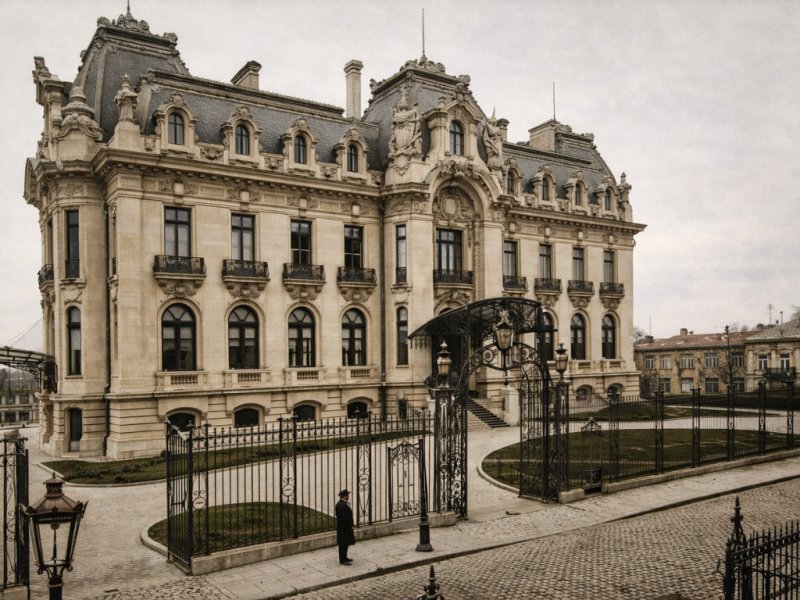
The palace on Victory Avenue, recognizable by the famous shell above its entrance, served as the stage for some of the most refined political intrigues in Romanian history.
Inside its salons, where lavish balls took place, military alliances were often discussed and state secrets quietly betrayed. Maruca Cantacuzino, the hostess of these events, welcomed Europe’s elite into her home, unintentionally providing the perfect setting for secret agents disguised as aristocrats.
Espionage at this level required no advanced technology, only a sharp ear and the ability to interpret subtle nuances within conversations about music or literature. Information gathered here quickly reached chancelleries in Paris or Berlin.
The Cantacuzino Palace symbolizes an era in which espionage was a matter of honor and style, where a carefully placed piece of gossip could destroy careers or ignite international conflicts beneath the glow of crystal chandeliers.
The Russian Embassy – the fortress of silence on Kiseleff Road
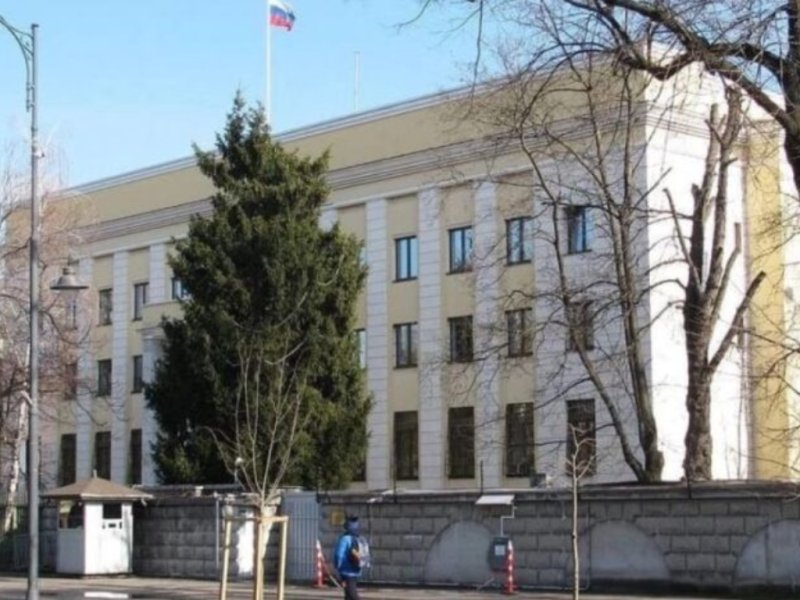
No list about espionage in Bucharest would be complete without the diplomatic compound on Kiseleff Road.
This imposing building, protected by high fences and formidable security systems, has long been regarded as the gravitational center of intelligence operations in the region. Its austere architecture, with very few large windows in critical areas, reveals an obsessive concern for secrecy and protection.
Many believe that beneath the embassy lie bunkers and communication centers capable of maintaining contact with Moscow under any circumstances, functioning as a central hub for networks of agents operating in Romania over the decades.
The numerous transmission antennas visible on the roof have long fascinated counter-intelligence experts.
The Russian Embassy remains the most visible symbol of power operating from the shadows, a place where diplomatic protocol abruptly stops at the gate, leaving room for a world governed by strict rules and carefully guarded secrets.
Bucharest continues to carry its secrets with studied nonchalance, allowing visitors to believe that these buildings are merely dusty historical monuments. In reality, they stand as witnesses to a parallel history, written in invisible ink and stored in files that may never see the light of day.