5 Love Stories from Interwar Bucharest That Will Make You Believe in True Love Again
- Articles
- 20 MAY 26
In interwar Bucharest, love had a special charm. The capital of Romania was living through one of the most vibrant periods in its history, and the elegance of the boulevards, the literary cafés, and the fashionable soirées provided the perfect setting for intense and memorable love stories. The city, rightfully nicknamed “Little Paris,” pulsed with life, culture, and passions that often went beyond the boundaries of social conventions. During that era, writers, artists, actors, and politicians lived their feelings with an intensity rarely encountered today. Love was transformed into novels, poems, intimate diaries, or decisions that changed destinies. Some relationships were fulfilled, others remained impossible, but all of them left behind impressive stories that continue to move readers to this day. Interwar Bucharest witnessed famous romances in which passion intertwined with talent, suffering, and sacrifice. From controversial relationships that influenced the politics of the country to stories that inspired literary masterpieces, these destinies demonstrate that true love exists and that it can survive the passage of time.
Mircea Eliade and Maitreyi Devi, the love that became a novel
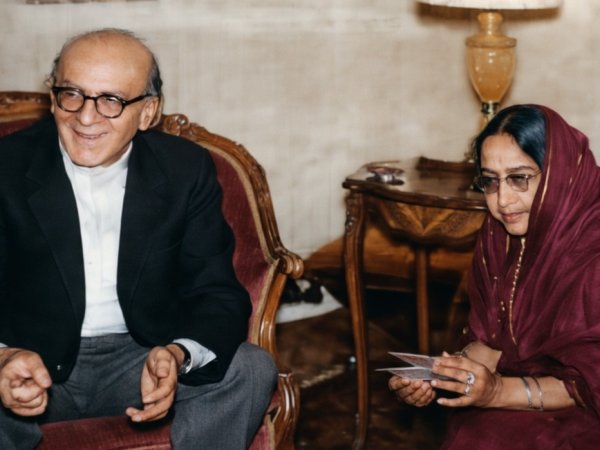
Mircea Eliade is one of the most important Romanian authors of the twentieth century. In his youth, while he was in India for his studies, he met Maitreyi Devi, the daughter of his professor. An intense but impossible love developed between them because of cultural differences and the opposition of the young woman’s family. This story would follow Eliade throughout his entire life and would profoundly influence Romanian literature.
After returning to Bucharest, Eliade transformed this experience into the novel Maitreyi, one of the best-known love stories in Romanian literature. The book captures with sincerity the fascination of first love and the pain of separation. Decades later, Maitreyi Devi would respond with her own novel, Na Hanyate, confirming that the feelings they experienced were real and profound.
Mihail Sebastian and Leni Caler, an intense and painful love
Mihail Sebastian was one of the outstanding figures of the interwar generation. In the artistic circles of Bucharest, he met Leni Caler, a charming and sophisticated presence on the theatrical stage. Sebastian fell deeply in love with her, and their relationship, marked by attraction and unfulfillment, became one of the most moving love stories in Romanian culture.
Sebastian’s diary, published posthumously under the title Jurnal, 1935–1944, reveals the intensity of his feelings and the suffering caused by this complicated love. Although the relationship did not have the ending he desired, it inspired some of the most sensitive pages in Romanian literature and remains proof of the sincerity with which Sebastian lived his emotions.
King Carol II and Elena Lupescu, the love that defied the world
The story between Carol II of Romania and Elena Lupescu is one of the most controversial and enduring relationships in the history of Romania. The two met in the 1920s, and their bond caused a true political and social scandal. The relationship was intensely criticized by public opinion and official circles, but Carol II never gave up the woman he loved.
After his abdication in 1940, the former king and Elena Lupescu lived together in exile for decades. In 1947, the two were married in Rio de Janeiro, strengthening a relationship that had survived political and social pressures. Their story demonstrates that, at times, love can matter more than the crown and power.
Camil Petrescu and Cella Serghi, passion and intellectual admiration
Camil Petrescu was one of the most influential Romanian writers of the last century. In the literary environment of interwar Bucharest, he met Cella Serghi, the author of the famous novel Pânza de păianjen. Between them developed a relationship based on intellectual admiration, emotional closeness, and passion.
Cella Serghi evoked this connection in memoirs and interviews, describing Camil Petrescu as one of the great loves of her life. Even though the relationship was marked by difficulties and incompatibilities, the feelings between them were genuine and influenced the creative work of both authors. In the refined atmosphere of Bucharest’s cafés, their love demonstrated that spiritual affinity can be just as powerful as romantic attraction.
Maria Tănase and Constantin Brâncuși, the meeting of two geniuses
Maria Tănase, nicknamed “The Magic Bird” of Romanian music, captivated audiences with her voice and magnetic personality. In the 1930s, she met Constantin Brâncuși, one of the greatest artists in the world. Between them arose a relationship of profound admiration, about which biographers and memoir writers have written in numerous works.
Although the age difference and their distinct lifestyles made a conventional relationship impossible, their bond was sincere and intense. Brâncuși was enchanted by Maria Tănase’s charm and authenticity, and the artist deeply admired the sculptor’s genius. Their story remains a symbol of the meeting between two exceptional spirits united by sensitivity and mutual respect.
Why the love stories of interwar Bucharest still fascinate us today
The love stories of interwar Bucharest continue to move us because they are authentic and deeply human. In all these relationships we find passion, sacrifice, idealism, and, often, suffering. Their protagonists were not perfect heroes, but people who loved sincerely and intensely, accepting the consequences of their feelings.
In addition, these stories are closely connected to the great cultural works and historical events of the time. Novels such as Maitreyi, the diaries of Mihail Sebastian, and the memoirs of Cella Serghi allow us to understand not only the era, but also the power of love to inspire artistic creation.
True love never goes out of style
In a modern world in which relationships often seem rushed and superficial, the stories from interwar Bucharest remind us that true love requires courage, patience, and devotion. Whether it inspired novels, provoked scandals, or united exceptional personalities, love remained one of the most powerful forces of human existence.
These five stories demonstrate that genuine feelings can cross time and continue to inspire entire generations. Interwar Bucharest was not only a city of elegance and culture, but also a place where love was lived at maximum intensity. And precisely for this reason, these extraordinary destinies make us believe, even today, in true love.
We also recommend: The forbidden love between King Carol II and Elena Lupescu. “Duduia” won him over with a simple candy