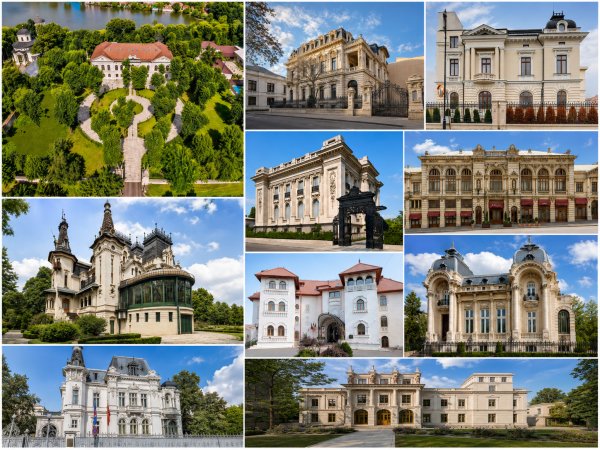
10 Palaces in Bucharest We Should Be Proud Of
By Eddie Țone
- Articles
- 08 JUL 26
Bucharest hides spectacular sights just a few steps away from the routes people walk every day while staring at their phones. A façade appears behind a fence, a dome becomes the backdrop to a speeding taxi, a monumental staircase quietly exists between two glowing storefronts and a bicycle courier. Each of these places has a fascinating history and story to tell.
Although Bucharest is far from being Vienna or Paris, it does have palaces. Plenty of them. The city's palaces reveal the story of a capital that grew rapidly, fueled by French ambitions, commercial wealth, old aristocratic families, diplomats, ministers, industrialists, and architects eager to turn an ordinary residence into a public statement of prestige. In Bucharest, wealth often came with a pediment, stained-glass windows, and a grand entrance designed to politely remind visitors that impeccable manners were expected.
The selection below features ten magnificent palaces and grand residences scattered throughout the city. Some now house hotels, embassies or event venues, some are open to visitors, while others can only be admired from the street. Together, they offer glimpses into a Bucharest that continues to endure, even when the sidewalk outside still feels like an Olympic obstacle course. Here are ten palaces in Bucharest that deserve our admiration.
H. Spayer Palace – Banking Grandeur on Batiștei Street
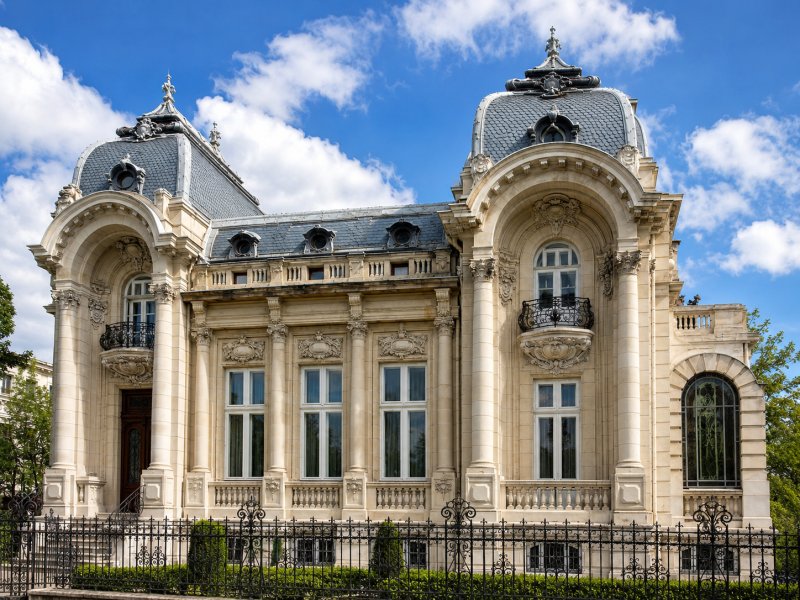
Located at 24A Batiștei Street, H. Spayer Palace looks like a building that never embraced the idea of modesty. The residence was designed in 1899 by architect Louis Pierre Blanc for banker Herman Spayer, son-in-law of Mauriciu Blank, one of the leading figures in Romanian finance at the beginning of the twentieth century. Inspired by the style of Louis XV, the palace embodies exactly the level of ceremony expected from a banker who had reached the stage in life where even his furniture came with a family tree.
The building was later expanded by architect Ion D. Berindey, who designed the monumental stables, the wrought-iron gates, the greenhouse pavilion and part of the interior decoration. One of old Bucharest's delightful ironies is that an urban villa could include a greenhouse, stables and a ceremonial entrance, while today people negotiate parking spaces as though they were international peace treaties.
Șomănescu Palace – Quiet Elegance on C.A. Rosetti Street
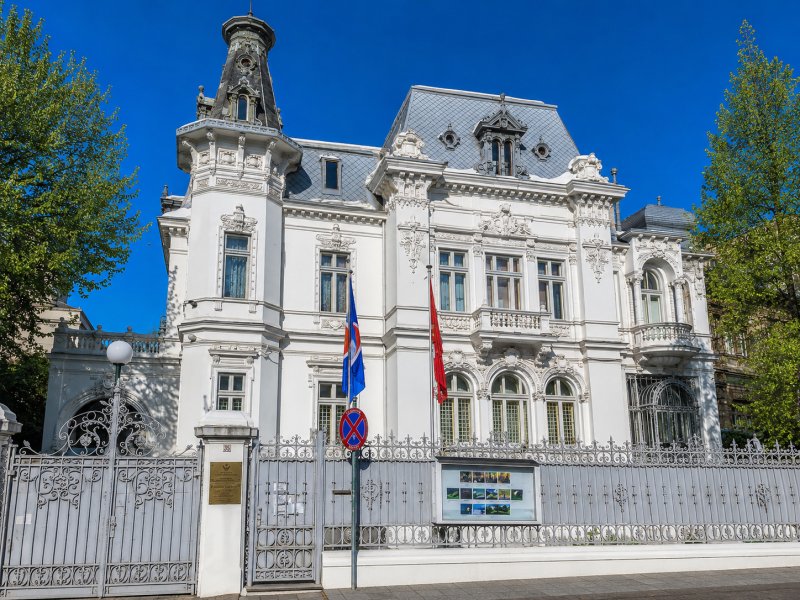
Șomănescu Palace, at 35 C.A. Rosetti Street, belongs to that rare category of buildings that manage to look elegant without raising their voice. The residence was built around 1900 for Sava Șomănescu, a landowner and president of the Agricultural Society. The project is attributed to architect Dimitrie Maimarolu, one of the most important architects in a Bucharest determined to dress itself in Western sophistication.
Its richly decorated façade reflects a love of classical composition, while today the building serves a diplomatic purpose as part of the Embassy of Vietnam. Șomănescu Palace contributes greatly to the charm of C.A. Rosetti Street, where institutional buildings and busy traffic coexist with residences from an era when a wealthy landowner could commission a palace as casually as someone else might order a custom-built bookcase.
Crețulescu Palace – Urban Gothic Beside Cișmigiu
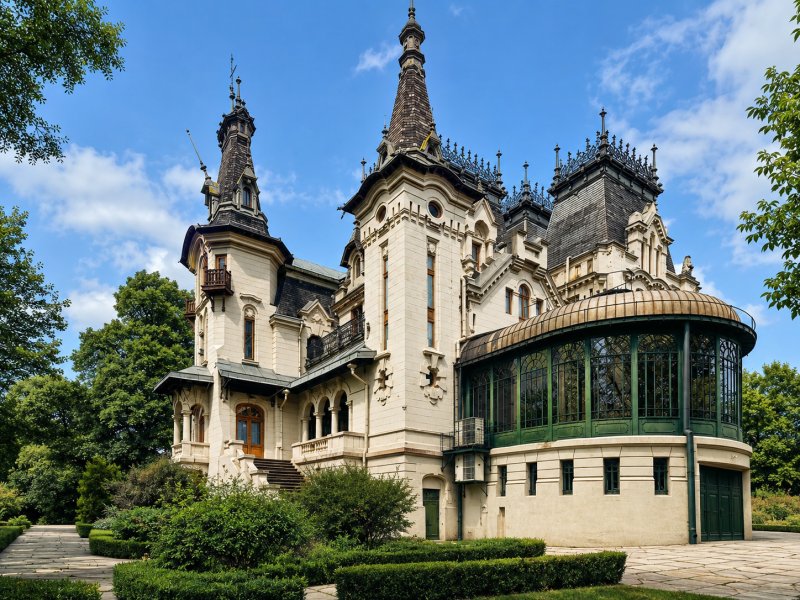
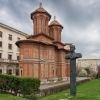
At 39 Știrbei Vodă Street, Crețulescu Palace (also spelled Kretzulescu) introduces a touch of Neo-Gothic architecture to an area where Cișmigiu Gardens have long provided the city with a green refuge. Built between 1902 and 1904 by Petre Antonescu, one of Romania's defining architects, the palace was commissioned by Elena Crețulescu.
The palace replaced an older residence belonging to the Văcărescu and Crețulescu families. Its towers, elongated windows and austere silhouette create the impression of a house that would have preferred a rainy London afternoon and a carriage drawn by black horses, even though Bucharest usually offers bright sunshine and a hurried city bus instead. Petre Antonescu employed Neo-Gothic vocabulary with restraint, preserving the proportions of an elegant urban residence.
Lahovary Palace – The Reinvention of Aristocratic Elegance
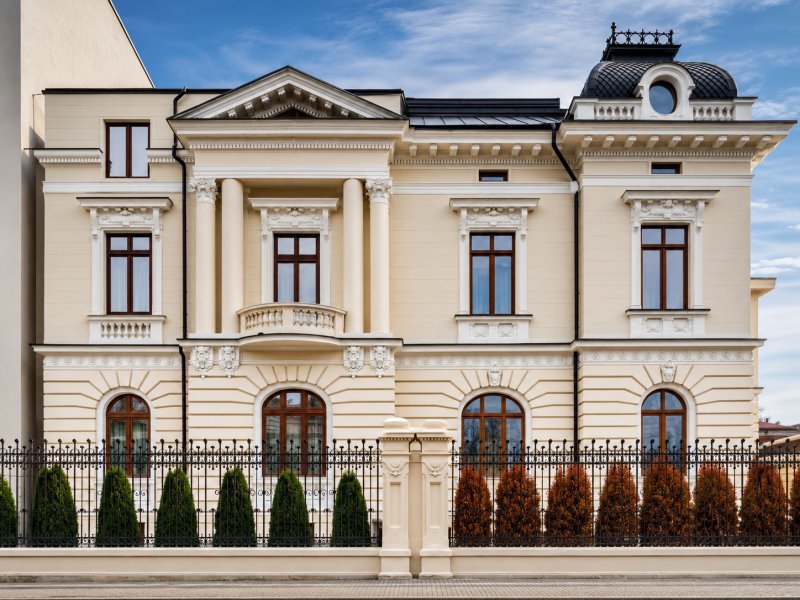
At 27 Batiștei Street, only a few minutes from University Square, Lahovary Palace stands with carefully measured discretion. In a city where many beautiful buildings have ended up covered with banners, air-conditioning units and various forms of resignation, this property was fortunate enough to benefit from a meticulous restoration and a genuine second life.
The historic monument dates back to 1896 and belonged to one of Romania's old aristocratic families. Its façades preserve French-inspired architecture typical of the late nineteenth century, when every decorative element had a clear purpose: to let visitors know that the owner took social status very seriously and probably never answered the front door personally.
The communist period left significant scars on the building, but the restoration carried out between 2016 and 2019 restored both its exterior elegance and aristocratic character. Today it operates as Lahovary Palace, a boutique hotel offering rooms and suites, giving it a rare status in Bucharest: the palace remains inhabited, well maintained and accessible to anyone wishing to spend the night in a building with more memories than many brand-new hotels filled with polished marble and "continental breakfast" buffets.
Ghica-Victoriei Palace – Also Known as the Grădișteanu-Ghica House
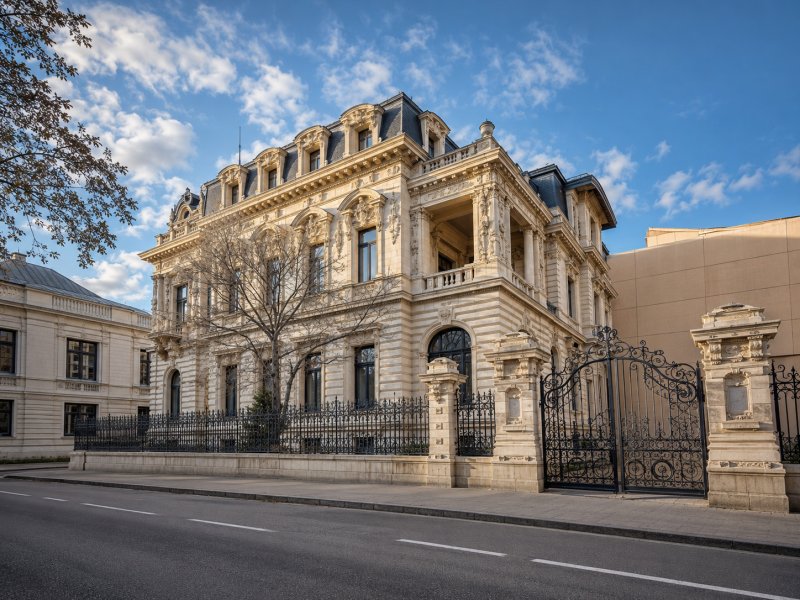
Standing at the corner of Calea Victoriei and Nicolae Iorga Street, Ghica-Victoriei Palace, also known as the Grădișteanu-Ghica House, was built in 1884 for the Grădișteanu family following the plans of architect John-Elisée Berthet, while construction was supervised by the renowned architect Louis Blanc. Its façades combine Eclectic architecture with Renaissance influences, reflecting just how seriously Bucharest's aristocracy regarded the art of making an impression.
The residence later passed to Maria Grădișteanu, who married Scarlat Ghica, giving the palace its double name. Inside, monumental staircases, stained-glass windows, decorated ceilings, wood panelling and carefully preserved architectural details transform every entrance into a perfectly choreographed theatrical moment. Today the palace occasionally hosts events and guided tours whenever public access is available.
A.G. Florescu Palace – A Diplomat's Residence Built for Ceremony
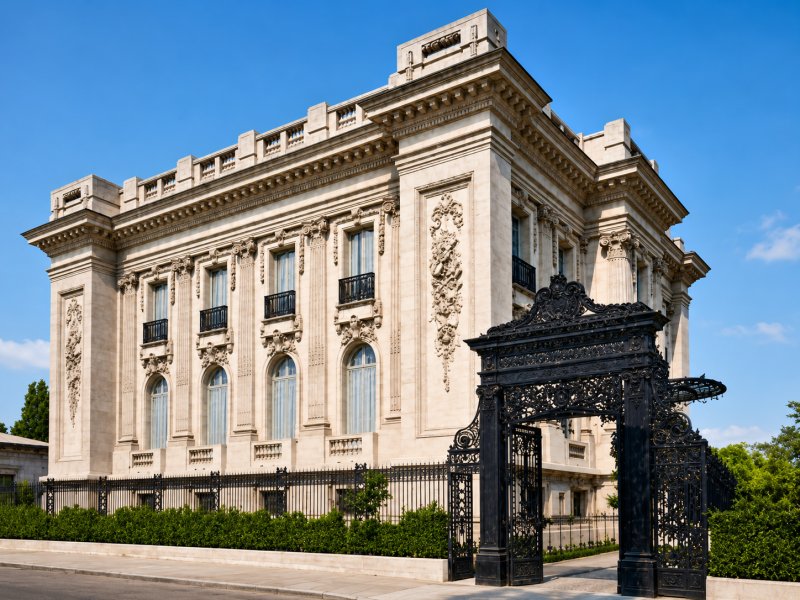
At 22 Henri Coandă Street, the Alexandru G. Florescu House possesses both the scale and ambition of an urban palace. Built in 1902 to a design by Ion D. Berindey in the Louis XVI style, it features an elaborately ornamented façade and richly decorated interiors filled with stucco work.
Alexandru G. Florescu was both a diplomat and playwright, and his residence experienced several transformations throughout the twentieth century. After the communist era, the building underwent an extensive restoration and structural consolidation, including the removal of an additional floor added later. Today it serves as the residence of the German ambassador, while its exterior remains one of Bucharest's finest examples of Berindey's architectural legacy.
Bragadiru Palace – A Brewing Empire Transformed into Stone
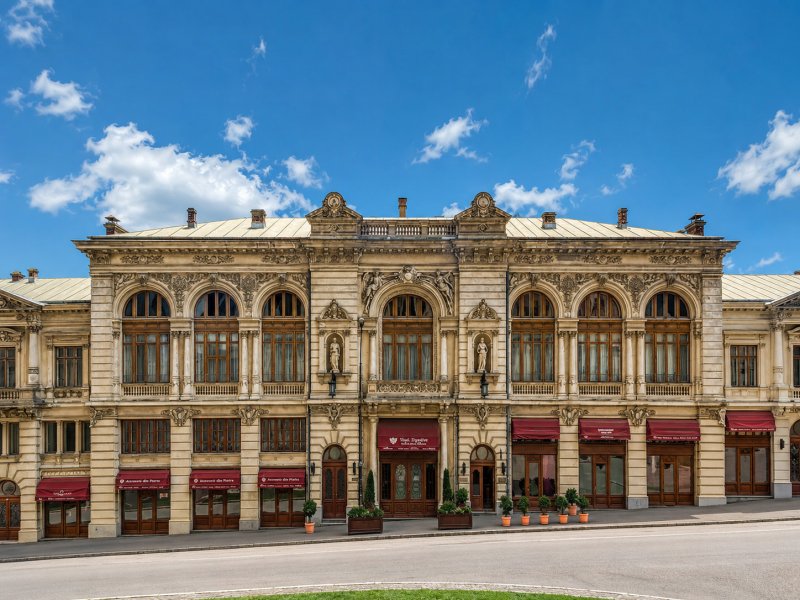
Bragadiru Palace stands on Calea Rahovei near the historic brewery founded by Dumitru Marinescu Bragadiru. Construction began in 1894 and was completed in 1898 based on the designs of architect A. Schuckerl. Informally known as "The Colossus," the complex was conceived as a prestigious venue and recreational center for the brewery's employees, at a time when industrialists had discovered that success could also be expressed through architecture.
The palace became famous thanks to the Colosseum Opler Hall, a venue for performances, balls and social gatherings that no longer survives today. The relationship between the brewery and the palace remains one of Bucharest's most charming early capitalist stories: beer generated wealth, wealth financed architecture, and architecture created a place where society could debate serious matters—perhaps after enjoying a cold pint. Today, the historic complex functions as a venue for cultural and private events.
Suter Palace – High Above Filaret Hill
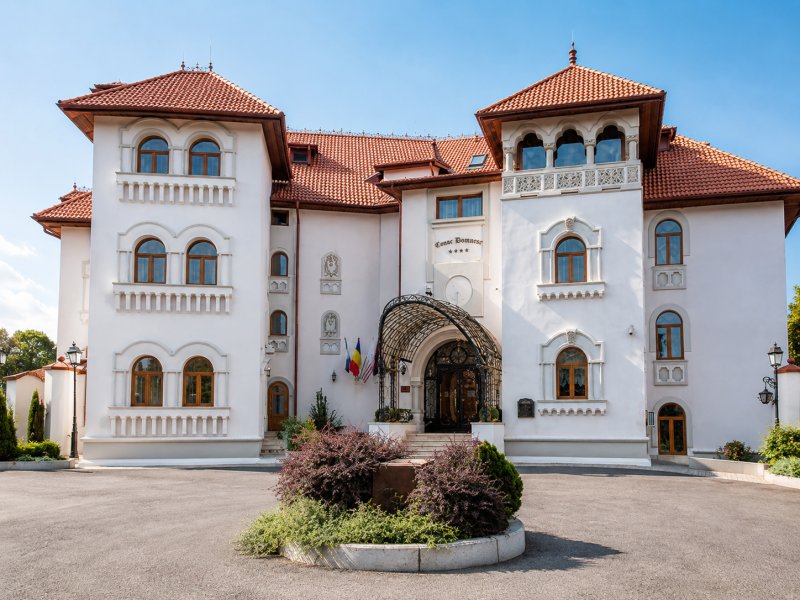
Suter Palace stands at 23–25 Aleea Suter in an area that still preserves the feeling of a Bucharest built on hills and ambition. It was constructed between 1902 and 1906 by Swiss architect Adolf Suter for his own family. The residence combines Neo-Romanian and Brâncovenesc influences while enjoying a commanding position overlooking the city.
After being nationalized in 1950, the palace served various administrative purposes before being returned to the heirs and restored during the 2000s. Today it houses a boutique hotel, allowing the building to remain alive, inhabited and photographed instead of becoming another forgotten monument secured behind a rusty padlock. The walk to the palace passes Xenofon Street, one of Bucharest's very few stepped streets, making the journey feel just a little more European than an ordinary Monday schedule.
Știrbei Palace – Historic Protocol on Calea Victoriei
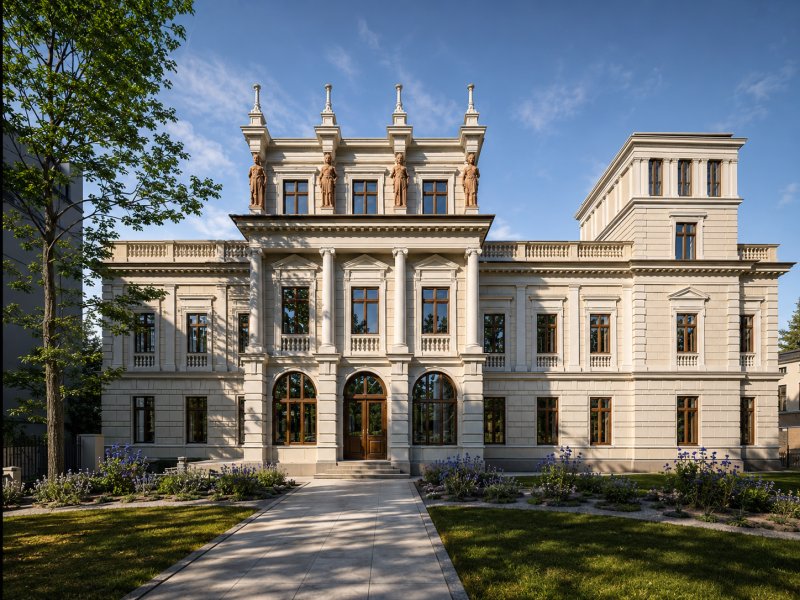
Știrbei Palace at 107 Calea Victoriei was built around 1835 for Barbu Știrbei, the future ruler of Wallachia. French architect Michel Sanjouand designed a Neoclassical residence with Greek influences during the period when Podul Mogoșoaiei, later renamed Calea Victoriei, was evolving into the city's most prestigious boulevard.
During Barbu Știrbei's reign, the palace served as an official residence for balls and diplomatic receptions. Later it became a museum of folk art and subsequently a museum of glass and ceramics. After many difficult decades, the palace recently returned to public life through a luxury commercial redevelopment featuring galleries and international brands. Opinions may differ about this transformation, but one positive fact remains undeniable: the building has reclaimed its place within the city.
Ghica-Tei Palace – A Princely Residence Beside the Lake
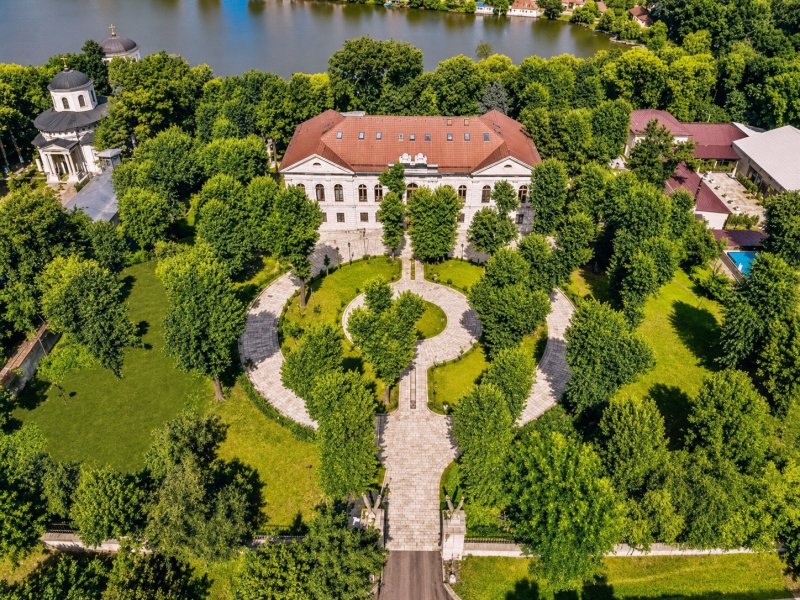
Ghica-Tei Palace, located at 3–5 Doamna Ghica Street, is among the oldest surviving palaces in Bucharest. It was built in 1822 for Prince Grigore IV Ghica, the first native ruler of Wallachia after the Phanariote era. The residence, believed to have been designed by architect Xavier Villacrosse, displays Classical architectural features and originally stood on the shores of Lake Tei, surrounded by scenery better suited to leisurely carriage rides than hurried traffic between red lights.
The estate includes both the palace and the Church of the Ascension, while its designation as a historic monument reflects its architectural and historical significance. During the early nineteenth century, the palace represented one of Bucharest's finest examples of Classical taste, with harmonious façades and the balanced proportions expected of a princely residence. Today, the site still preserves the impression that the city once moved at a slower pace.
Bucharest cannot be understood through a single walk. The city has too many layers, too many houses that have become offices, hotels, embassies, headquarters or event venues. Yet its palaces remain unmistakable reminders of a time when architecture spoke directly about prestige, culture and ambition. They deserve to be admired slowly, with curiosity and attention to detail. Sometimes the city's finest exhibition is waiting just around the corner, on the opposite side of the street.
You may also like: Bucharest’s hidden palaces: beyond the Palace of the Parliament