Bucharest to get AI-controlled smart traffic lights. What the project looks like and the implementation steps
By Raluca Ogaru
- NEWS
- 18 FEB 26
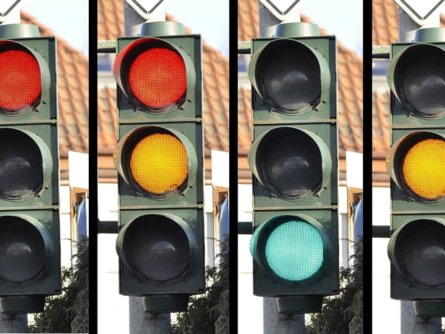
Bucharest is preparing for one of the most significant upgrades to its road infrastructure in recent years. The City Hall has announced a project to introduce AI-controlled smart traffic lights across approximately 580 intersections. The initiative aims to improve traffic flow, reduce pollution and increase the efficiency of public transport.
The project is currently in the preparatory phase, with local authorities working on the documentation needed to secure funding, including potential European funds. According to municipal estimates, the total investment could exceed €50 million.
How the smart traffic lights will work
The proposed system involves installing advanced technologies capable of managing traffic in real time. Planned equipment includes sensors embedded in the asphalt to detect vehicles, video cameras able to analyze traffic flow, and pedestrian-focused devices such as acoustic systems designed to improve safety.
The core component will be AI-based software that automatically adjusts traffic light timing according to real traffic conditions. In practice, the system will synchronize signals continuously to optimize traffic flow without constant manual intervention.
Public transport vehicles may also receive priority at intersections, helping buses and trolleybuses stay on schedule. Authorities believe this could reduce delays and make public transport a more attractive option for commuters.
Four main implementation stages
The smart traffic light system is planned to be introduced gradually to avoid major disruptions and allow adjustments along the way.
The first phase includes upgrading around 90 intersections and pedestrian crossings, with the installation of hundreds of cameras and a large number of monitoring sensors. This phase is intended to test and validate the technology.
The second phase focuses on building a central command center where traffic data will be collected and analyzed. This center is expected to integrate with existing municipal emergency infrastructure.
The third stage will extend modernization to additional key intersections across the city, while the final phase aims to integrate all approximately 580 targeted intersections into the intelligent traffic network.
READ ALSO:
What your traffic rage says about you (especially in Bucharest)
Expected benefits for Bucharest residents
Local authorities say the smart traffic system could have a direct impact on quality of life in the capital. Improved traffic flow may reduce commuting times, while fewer congestion points could help lower urban pollution levels.
Another anticipated benefit is increased road safety, thanks to continuous monitoring and dynamic traffic signal adjustments. Prioritizing public transport could also encourage more people to use it, easing pressure on road traffic.
Current project status and next steps
Feasibility studies for the initial phases are reportedly close to completion, and the municipality is preparing documentation to access external funding. Collaboration with academic experts, including specialists in transportation engineering, is part of the technical development process.
If funding is secured and administrative procedures move forward as planned, the project could mark an important step in the digital transformation of Bucharest’s urban infrastructure. The introduction of AI-controlled traffic lights would represent a significant shift in how city traffic is managed, with potential long-term benefits for urban mobility.