Locations close to The National Museum of Maps and Old Books

  • Museums & Galleries

    The Victor Babeș Memorial Museum

    Victor Babeș died in 1926, yet the Institute of Bacteriology he founded in Bucharest still bears his name today, as does the genus of parasites he discovered — Babesia — present in every microbiology textbook in the world. The world's first bacteriology treatise, written by him in 1885 alongside the French scientist Victor André Cornil, is on displ...
  • Museums & Galleries

    The Zambaccian Museum

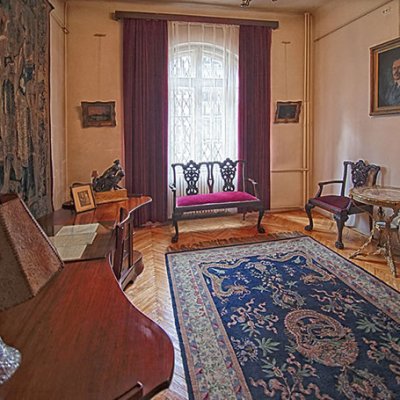
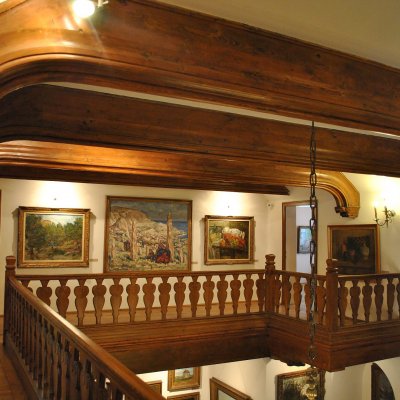
    The Zambaccian Museum is one of those places Bucharest keeps quietly to itself, far from the busier tourist trails. Tucked into a calm corner of the Dorobanți neighborhood, it makes no grand announcement from the outside — and that's precisely what amplifies the effect once you step in.
    The house was built specifically in the 1940s to hold the coll...

  • Museums & Galleries

    The Perfume Museum

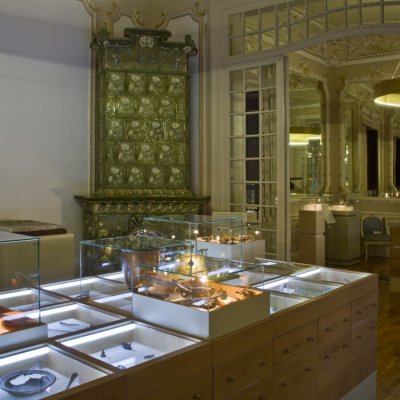
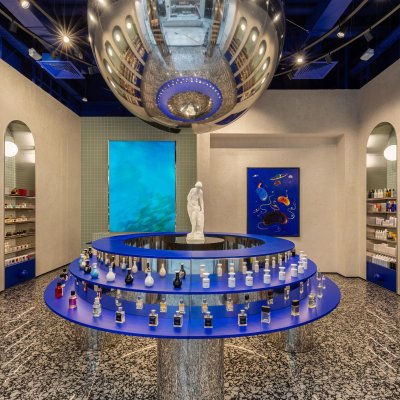
    Inside the Beautik perfumery on Calea Dorobanților, there is a corner of Bucharest that few people know about and even fewer forget after seeing it. The Perfume Museum impresses differently than you might expect — through density, through stories, through the weight of time concentrated in a few dozen square metres. Over 3,000 perfume bottles, each...

  • Museums & Galleries

    National Geological Museum — Bucharest

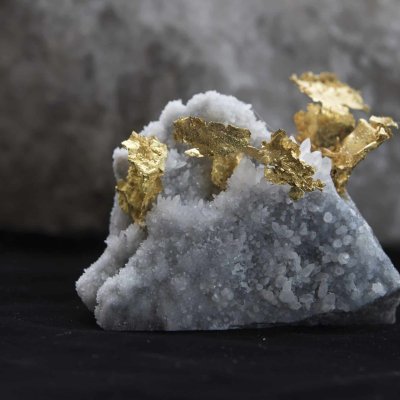
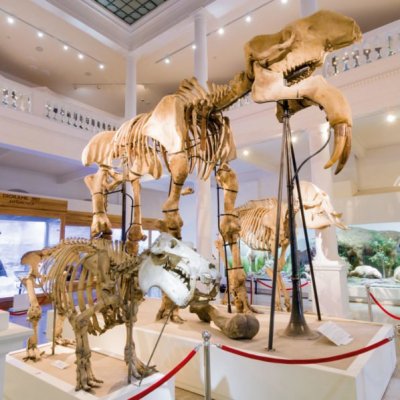
    The building on Kiseleff Boulevard no. 2 is worth a stop before you even step inside: built in the early 20th century in neo-Brâncovenesc style, it is a listed architectural monument in its own right. Inside, three floors and 14 rooms house around 7,700 exhibits — fluorescent minerals, crystals, rocks over a billion years old, fossils, drill cores...

  • Museums & Galleries

    The National Museum of the Romanian Peasant

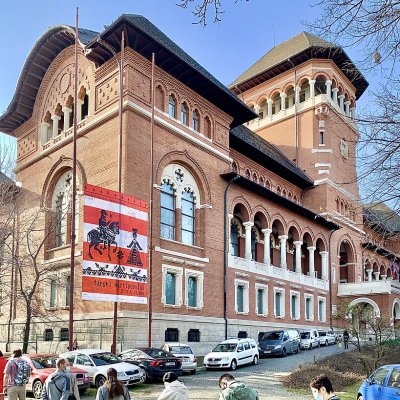
    One of the most important ethnography museums in Europe, with a collection of over 155,000 objects — folk costumes, ceramics, glass icons, tools, textiles, and everyday household items from all Romanian provinces. The neo-Romanian style building is itself a historic landmark.
    The permanent exhibition was reopened in April 2025 following restoration...

  • Museums & Galleries

    The National Museum of the Romanian Peasant (MȚR)

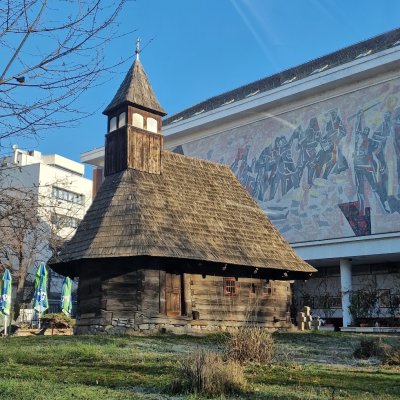
    The National Museum of the Romanian Peasant (MȚR) is one of the most important cultural institutions in Romania dedicated to traditional rural life. Housed in a heritage building in Neo-Romanian architectural style, the museum features an impressive collection of authentic artifacts: from folk costumes and painted icons to tools, furniture, and eve...

  • Museums & Galleries

    Grigore Antipa Museum

    There isn't a Bucharest resident you ask about the capital's museums who doesn't mention the Grigore Antipa Museum. And with good reason: it is one of the most prestigious museums in Romania and Eastern Europe, currently housing over 2 million exhibits.

    Founded in 1834 and named after the famous Romanian biologist Grigore Antipa, the museum near H...

  • Museums & Galleries

    George Severeanu Museum

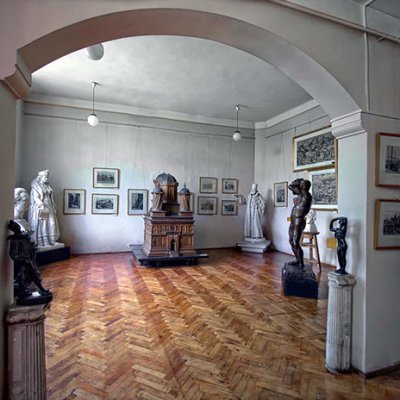
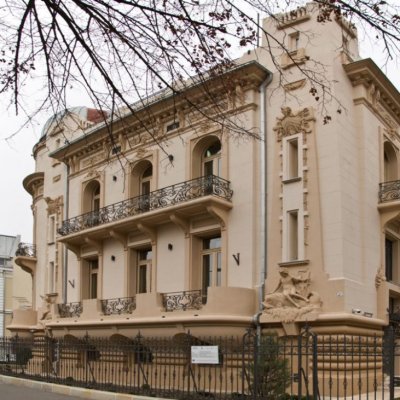
    Tucked away on Strada Henri Coandă nr. 26, in Sector 1, the George Severeanu Museum is one of Bucharest's most discreet and fascinating museums. Housed in an elegant eclectic building dating back to around 1860 — with oval windows, decorative garlands and neo-baroque influences — the museum was once the residence of radiologist George Severeanu, th...

FAQ in case you need it

  • Yes, it is generally safe, with occasional petty theft in busy areas. Use common sense precautions.
  • No, but it helps. Many people speak English, especially younger generations and
    professionals.
  • Metro is fastest, public transport is cheap, and ride-sharing (Uber/Bolt) is convenient.
    Walking works great in the city center.
  • Yes. EU citizens can buy freely. Non-EU citizens can buy apartments and rent easily.
  • Bucharest is affordable compared to most EU capitals. Rent, food, and transport are
    reasonably priced. Costs depend on lifestyle.
  • Non-EU citizens need a visa or residence permit. EU citizens must register after 3 months
    with Romanian Immigration.
  • Yes. Public healthcare is accessible, but private clinics offer faster and higher-quality
    services. Health insurance is recommended.
  • Yes. Bucharest has several international schools and English-taught university programs,
    especially in medicine, business, and tech.