Old or new apartments? What sold best and at what price per square meter in January 2026 in Bucharest
By Raluca Ogaru
- NEWS
- 28 FEB 26
The residential real estate market in Bucharest started 2026 with another increase in prices, according to data published by Imobiliare.ro through the Imobiliare.ro Index. The figures highlight clear differences between new and old apartments, as well as between the types of homes most sought after by buyers.
The analysis covering January 1–31, 2026 shows that demand for housing remains strong, while prices continue the upward trend recorded in recent years, even though the monthly growth pace has slowed slightly.
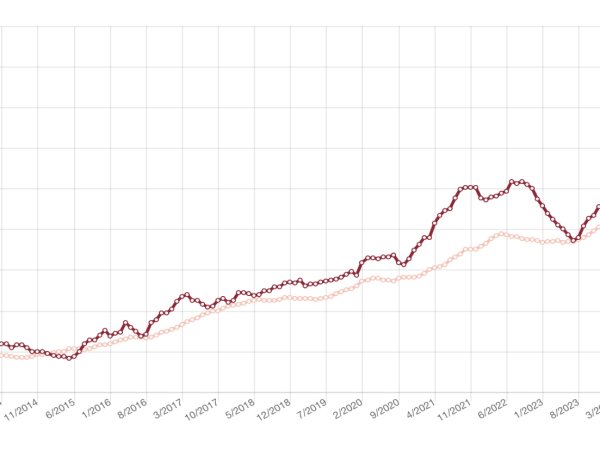
According to the official indicators published on the platform, the average asking price for apartments in Bucharest reached €2,214 per square meter, representing a 0.5% increase compared to December 2025 and a 16.8% rise compared to January 2025.
How prices evolved for new versus old apartments
The data shows a significant gap between newly built homes and older apartments, both in price levels and market dynamics.
In January 2026:
- new apartments reached an average price of €2,485/sqm, marking a slight monthly decrease of 0.6%, but a strong annual increase of 21.8%;
- old apartments averaged €2,171/sqm, recording a 0.6% increase month-over-month and a 16.3% rise year-over-year.
The price difference between the two categories therefore remains above €300 per square meter, explaining why older apartments continue to attract a large share of buyers, especially in well-connected neighborhoods with established infrastructure.
While new developments offer modern amenities and improved energy efficiency, older apartments remain competitive due to location advantages and lower total purchase costs.
Which apartment types increased the most
The index data indicates slight variations depending on the number of rooms, although the overall trend shows stability combined with strong annual growth.
Studio apartments (one-room units)
- average price: €2,159/sqm
- monthly increase: +0.8%
- annual increase: +15.4%
Studios remain attractive for investors and first-time buyers, particularly due to consistent rental demand in Bucharest.
Two-room apartments
- average price: €2,154/sqm
- monthly increase: +1.2%
- annual increase: +15.8%
This segment is widely considered the most balanced in terms of price and usable space, making it popular among young couples and property investors.
Three-room apartments
- average price: €2,142/sqm
- monthly variation: stable (0.0%)
- annual increase: +16.2%
The monthly stabilization may signal a short adjustment period following the accelerated growth recorded throughout 2025, while annual figures confirm sustained demand.
Why older apartments remain competitive
Although new homes recorded the strongest yearly growth, older apartments continue to be highly sought after in Bucharest for several reasons:
- central or semi-central locations;
- direct access to metro lines and public transport;
- often larger usable living areas;
- lower overall purchase prices compared to new developments.
The price gap per square meter plays an important role in buyer decisions, especially in a market influenced by mortgage costs and interest rates.
What January 2026 reveals about Bucharest’s housing market
The evolution seen in the first month of the year confirms a broader trend observed recently: Bucharest’s residential market continues to grow, but at a more moderate pace than in previous periods.
The annual increase of more than 16% indicates sustained demand, supported by internal migration toward the capital, labor market development, and ongoing interest in real estate investments.
At the same time, relatively small price differences between apartment categories suggest a maturing market in which buyers increasingly analyze the balance between price, location, and long-term costs.
For now, the data clearly shows that new apartments are more expensive and rising faster annually, while older homes remain the dominant choice for affordability and urban positioning.
WE ALSO RECOMMEND YOU:
Why Bucharest Looks Cheap Only in Excel: The Gap Between Prices and Real Life