Direct trains from Bucharest to Istanbul, Sofia and Varna. Summer routes are back until October
By Raluca Ogaru
- NEWS
- 07 JUL 26
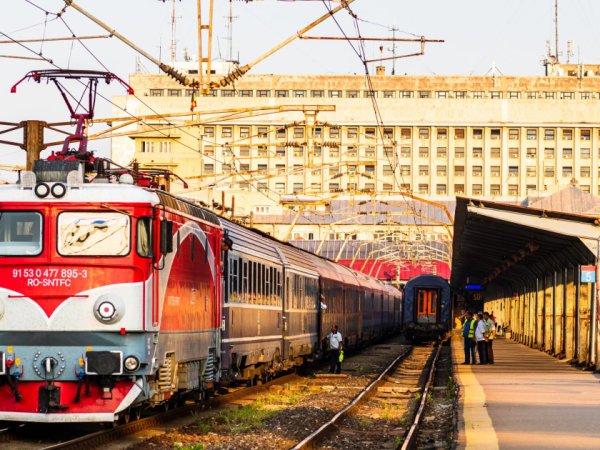
Bucharest is once again becoming a departure point this summer for three international destinations that can be reached directly by train: Istanbul, Sofia and Varna. CFR Călători has resumed the seasonal international “România” train service, providing daily connections between Bucharest North Station and destinations in Bulgaria and Türkiye, a useful option for travellers who want to avoid flying and complicated train changes.
According to Euronews, direct routes from Bucharest to Istanbul, Sofia and Varna have been restarted for the summer season, with fares starting from €27. The seasonal service began on 12 June 2026 for the Bucharest–Varna route, while direct trains to Sofia and Istanbul Halkalı resumed on 13 June.
For Bucharest residents, the news matters especially in the context of summer holidays. Varna remains one of the most popular destinations on Bulgaria’s Black Sea coast, Sofia can be a good city-break option or a stopover towards other parts of Bulgaria, while Istanbul is one of the most spectacular regional destinations that can be reached directly, overnight, from the Romanian capital.
When the direct trains from Bucharest run
CFR Călători has announced that the international “România” train runs between 12 June and 12 October 2026, with daily direct connections between Bucharest and destinations in Bulgaria and Türkiye. For Varna, departures from Bucharest are available from 12 June to 11 October 2026, while the return Varna–Bucharest service runs between 13 June and 12 October 2026.
The train to Sofia runs from 13 June to 12 October 2026, both on the Bucharest North–Sofia route and on the return Sofia–Bucharest North route. For Istanbul/Halkalı, the direct train from Bucharest operates between 13 June and 12 October 2026, while the return Istanbul/Halkalı–Bucharest North train runs between 11 June and 10 October 2026.
All these routes depart from Bucharest North Station, which makes them easy to use for tourists already in Bucharest, as well as for travellers arriving from other Romanian cities and changing trains in the capital. Because these are seasonal international trains, passengers are advised to check the timetable before departure, especially near the end of the operating period.
The relaunch of these connections comes at a time when international trains and night trains are becoming increasingly attractive across Europe, amid growing interest in alternatives to short-haul flights. Euronews also notes this European trend, as more travellers consider rail journeys for holidays and regional trips.
Bucharest–Varna: direct train to the Bulgarian seaside
The Bucharest–Varna route is probably the most useful for those who want a seaside holiday without driving. The international “România” train leaves Bucharest North at 10:46 and arrives in Varna at 19:56, after a journey of around 9 hours and 10 minutes. On the return route, the train leaves Varna at 09:30 and arrives in Bucharest North at 16:56.
The price of a Bucharest North–Varna ticket, or return, in second class starts from €27, according to CFR Călători. For families, groups of friends or tourists who do not want to drive to the Bulgarian coast, the train can be a good option, especially if the final destination is Varna or a nearby resort.
The main advantage is that passengers leave from central Bucharest and arrive directly in an important coastal city. The disadvantage is the travel time: the journey is longer than a flight, but it may be more comfortable for those who prefer to avoid airports, security checks, limited luggage or extra transfers.
For those heading to Golden Sands, Albena or other nearby resorts, Varna can work as a connection point. In this case, local transport from the railway station to the resort should also be taken into account, so that the total travel time is realistic.
Bucharest–Sofia: city break from North Station
For Sofia, the train also leaves Bucharest North at 10:46 and reaches the Bulgarian capital at 20:41. The journey takes approximately 9 hours and 55 minutes. On the way back, the train departs from Sofia at 07:00 and arrives in Bucharest North at 16:56.
The price of a Bucharest North–Sofia ticket, or return, in second class is €33.60. For those who want a slower city break without flying, the route can be interesting especially if the travel time is seen as part of the experience, not just a transport stage.
Sofia is a good destination for a long weekend: it has historical landmarks, affordable restaurants, parks, museums and access to Vitosha Mountain. For Bucharest residents, the advantage is that they no longer depend on a car and can reach the Bulgarian capital directly by train.
However, for a trip of only two days, the schedule should be checked carefully. Leaving Bucharest at 10:46 and arriving in Sofia in the evening means that the first day is mostly dedicated to travel. The route becomes more practical for a stay of three or four days.
Bucharest–Istanbul: overnight journey to Halkalı
The longest and most spectacular seasonal route is Bucharest–Istanbul/Halkalı. The train leaves Bucharest North at 10:46 and arrives at Istanbul/Halkalı at 09:56 the following morning. The journey takes approximately 23 hours and 10 minutes, turning it into an overnight experience rather than a simple transfer.
On the return trip, the train leaves Istanbul/Halkalı at 20:00 and arrives in Bucharest North the next day at 16:56. The price of a Bucharest North–Istanbul/Halkalı ticket, or return, in a four-berth couchette compartment starts from €57.80.
For tourists, travelling to Istanbul by train has a special charm. The journey is long, but it can be attractive for those who want to avoid flying and turn the departure from Bucharest into a travel experience in itself. It is a suitable option especially for those who have time, patience and prefer a slower rhythm.
One important practical detail is Halkalı station. It is not located in Istanbul’s central tourist area, so passengers should take into account the transfer from there to the city centre. Before departure, it is useful to check the local connection to the accommodation area, especially for those arriving in Istanbul for the first time.
How to buy tickets and what to check before departure
Tickets for international journeys can be purchased up to 90 days in advance, from CFR Călători stations and agencies that handle international ticket sales, as well as online, through the international tickets section on the CFR Călători website. For Bulgaria and Türkiye, Interrail passes can also be used, both continuous and flexi.
CFR Călători states that, for destinations in Bulgaria and Türkiye, tickets can be collected from the station or delivered by courier within Romania. For trips to Bulgaria, tickets can also be received in PDF format, directly on a mobile phone.
Before departure, travellers should check the updated timetable, any possible service changes, luggage conditions, travel documents and the rules applicable to Bulgaria and Türkiye. For Türkiye, entry conditions should be checked according to citizenship, as the rules may differ from those for European Union member states.
For night trains and couchette compartments, booking in advance is the safest option, especially during peak holiday months. Seats and berths may become harder to find on weekends, during holiday periods and close to public holidays.
Why these routes matter for Bucharest
For Bucharest, the return of direct trains to Varna, Sofia and Istanbul means more than a few international summer connections. The capital strengthens its role as a regional transport hub for tourists who want to travel between Romania, Bulgaria and Türkiye without flying.
The routes are also useful for foreign tourists who arrive in Bucharest and want to continue their journey towards the Balkans or Istanbul. Instead of looking for complicated combinations of buses, flights or trains with several changes, they have a direct connection from Bucharest North Station.
READ ALSO:
How many tourists came to Bucharest in 2025. What the official data shows
For Bucharest residents, the trains can be an alternative to driving, especially in the season when roads towards the seaside or border crossings can become crowded. They are not the fastest options, but they can be convenient for those who prefer to travel more calmly, with more luggage and without the stress of driving.
In a city where transport is becoming an increasingly important topic, international summer trains bring back a classic but still relevant option: leaving from the centre of Bucharest and arriving directly in another country. For holidays in Bulgaria and Türkiye, this can be one of the simplest ways to turn the journey itself into part of the trip.