Locations close to The Frederic and Cecilia Cuțescu-Storck Art Museum

  • Restaurants

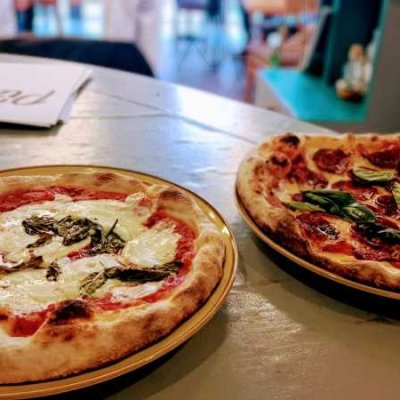
    Pizzeria Viitorului - Gluten free

    Pizzeria Viitorului is one of the very few places in Bucharest that offers a genuinely safe and gluten-free pizza option. The crust is thin, crispy, and surprisingly close to the real thing — which is rare when it comes to gluten-free dough. The dough is prepared separately, and the risk of cross-contamination is minimal, a detail often mentioned b...

  • Landmarks & Attractions

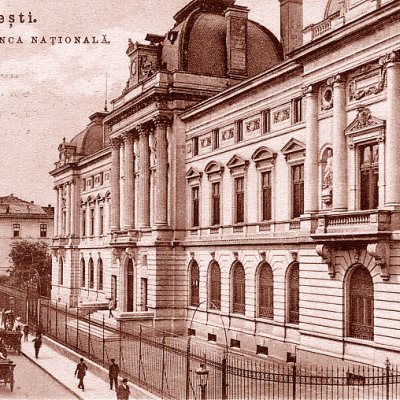
    Chrissoveloni Palace

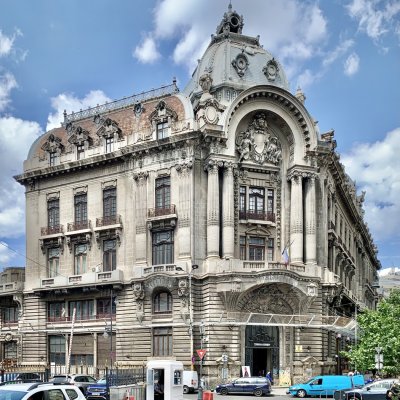
    Chrissoveloni Palace was never just a bank—or just a palace. From the design phase, it was conceived as an architecture of function, yet with the prestige of a true palace. Built between 1923 and 1929, based on plans by architect George Matei Cantacuzino, the bank’s headquarters was a discreet declaration of financial power: two entrances (one for...

  • Hospitals

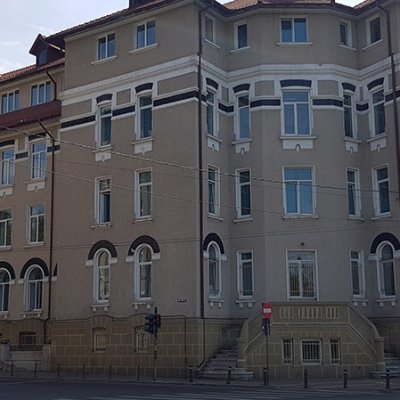
    CF Witting Hospital

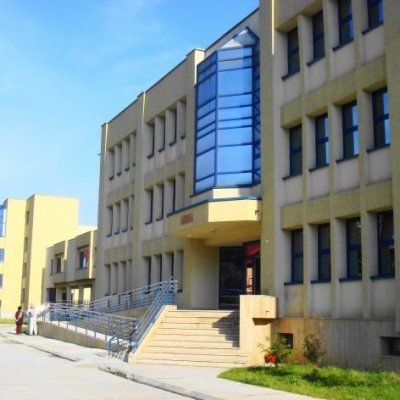
    Description: Clinical Hospital No. 1 Căi Ferate Witting, founded on July 27, 1918 and named in honor of Dr. Traugott Witting, pioneer of vascular surgery in Romania, offers a wide range of medical services, including internal medicine, cardiology, gastroenterology, diabetology and psychiatry, addressing with priority to people insured with the Buc...

  • Historical Sites

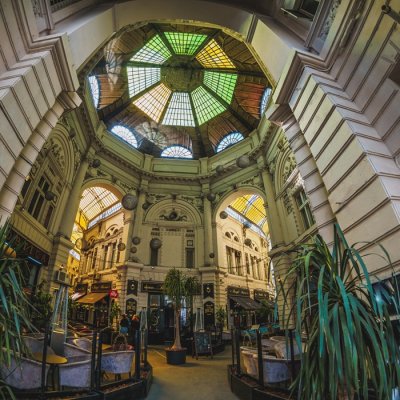
    Macca-Vilacrosse Passage

    Macca-Vilacrosse Passage is a covered passage in the center of Bucharest, connecting Calea Victoriei with Lipscani Street, with an additional exit toward Eugeniu Carada Street.
    It has a fork-shaped design because the central area was occupied by the Pesht Hotel, whose owner refused to sell the land, so the passage had to be built around it.
    Constru...

  • Arts & Culture

    Palatul Noblesse

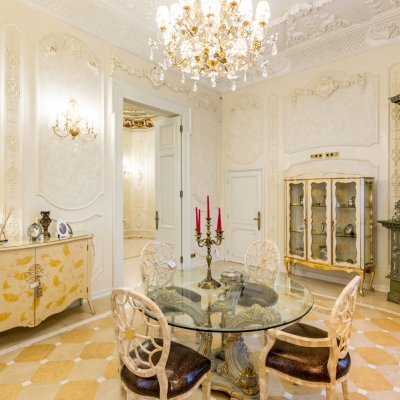
    Palatul Noblesse stands at Strada Sfinților no. 7, in Bucharest's historic center, close to Piața Rosetti and Calea Moșilor. The building went up in 1881, designed by architect Alexandru Săvulescu — his first commission after returning from architecture studies in Paris, and the first eclectic-style building in the old city center. The commission c...

  • Museums & Galleries

    The National Bank of Romania Museum

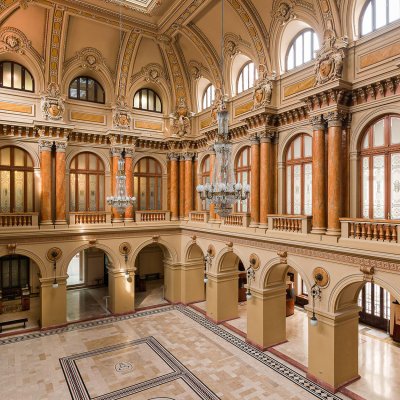
    The National Bank of Romania Museum operates inside the Old Palace of the NBR, at Strada Lipscani 25, in Sector 3. The building went up between 1884 and 1890, designed by French architects Cassien Bernard and Albert Galeron, with construction overseen by Romanians Grigore Cerchez and E. Băicoianu. Many consider it the most beautiful building in Buc...

  • Landmarks & Attractions

    The Palace of the Bucharest Stock Exchange

    The Palace of the Bucharest Stock Exchange is one of those emblematic buildings that doesn’t shout, but commands presence. Built between 1906 and 1912, based on the plans of architect Ștefan Burcuș, the palace is a refined example of Beaux-Arts style from the Belle Époque era, featuring a monumental façade, wide arcades, and details that blend acad...

FAQ in case you need it

  • Yes, it is generally safe, with occasional petty theft in busy areas. Use common sense precautions.
  • No, but it helps. Many people speak English, especially younger generations and
    professionals.
  • Metro is fastest, public transport is cheap, and ride-sharing (Uber/Bolt) is convenient.
    Walking works great in the city center.
  • Yes. EU citizens can buy freely. Non-EU citizens can buy apartments and rent easily.
  • Bucharest is affordable compared to most EU capitals. Rent, food, and transport are
    reasonably priced. Costs depend on lifestyle.
  • Non-EU citizens need a visa or residence permit. EU citizens must register after 3 months
    with Romanian Immigration.
  • Yes. Public healthcare is accessible, but private clinics offer faster and higher-quality
    services. Health insurance is recommended.
  • Yes. Bucharest has several international schools and English-taught university programs,
    especially in medicine, business, and tech.