Locations close to The Perfume Museum

  • Museums & Galleries

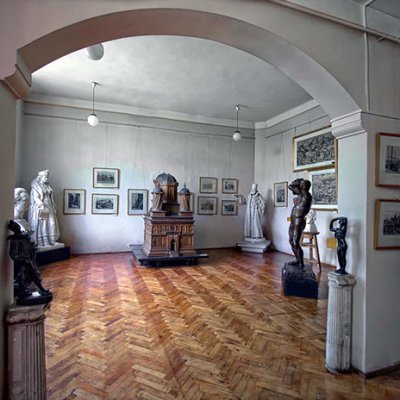
    The Zambaccian Museum

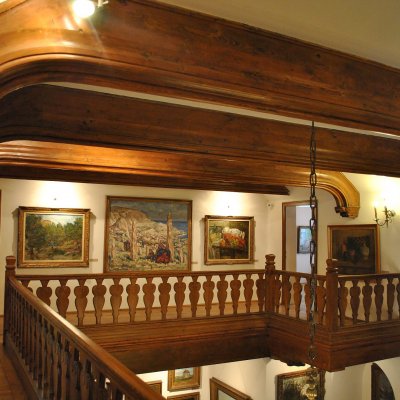
    The Zambaccian Museum is one of those places Bucharest keeps quietly to itself, far from the busier tourist trails. Tucked into a calm corner of the Dorobanți neighborhood, it makes no grand announcement from the outside — and that's precisely what amplifies the effect once you step in.
    The house was built specifically in the 1940s to hold the coll...
  • Museums & Galleries

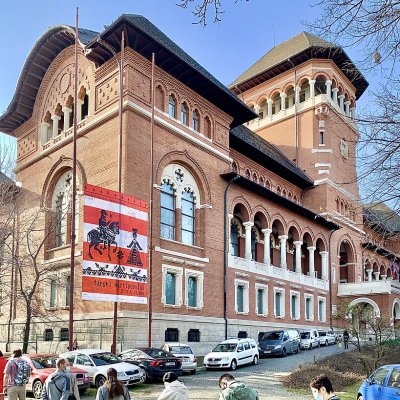
    The National Museum of the Romanian Peasant

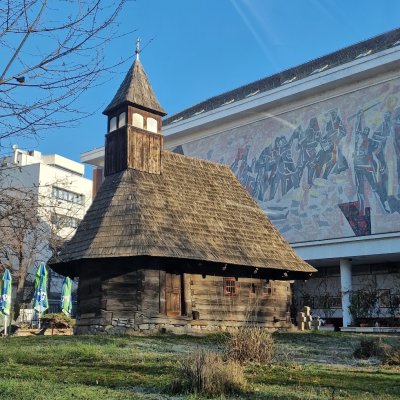
    One of the most important ethnography museums in Europe, with a collection of over 155,000 objects — folk costumes, ceramics, glass icons, tools, textiles, and everyday household items from all Romanian provinces. The neo-Romanian style building is itself a historic landmark.
    The permanent exhibition was reopened in April 2025 following restoration...

  • Museums & Galleries

    The National Museum of the Romanian Peasant (MȚR)

    The National Museum of the Romanian Peasant (MȚR) is one of the most important cultural institutions in Romania dedicated to traditional rural life. Housed in a heritage building in Neo-Romanian architectural style, the museum features an impressive collection of authentic artifacts: from folk costumes and painted icons to tools, furniture, and eve...

  • Museums & Galleries

    The Frederic and Cecilia Cuțescu-Storck Art Museum

    On Strada Vasile Alecsandri nr. 16, in a quiet neighbourhood in the northern part of Bucharest, sits one of the most personal art collections in the city. The Frederic and Cecilia Cuțescu-Storck Art Museum was not built around institutional acquisitions or incidental donations — it is the actual house in which the two artists lived and worked, tran...

  • Museums & Galleries

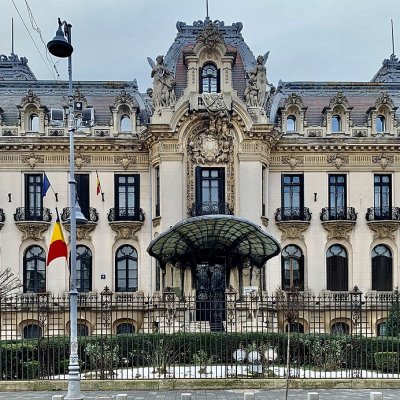
    Cantacuzino Palace

    Cantacuzino Palace is a magnificent palace located in Sector 1 of Bucharest, on Calea Victoriei, and is an example of eclectic architecture from the Belle Époque period. Built between 1901 and 1903, the palace was the residence of the Cantacuzino family, one of Romania’s oldest and most influential noble families.
    Its architecture combines elements...

  • Museums & Galleries

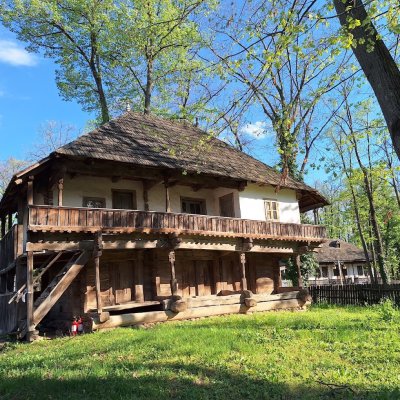
    Dimitrie Guști National Village Museum

    The Dimitrie Gusti National Village Museum, the second largest open-air ethnographic museum in the world after the one in Stockholm, is a fascinating place where you can get to know your past, your history, your roots. It is the mirror of Romanian country life, the museum celebrating Romanian traditions and culture.

    Inaugurated in 1936 by the soc...

  • Museums & Galleries

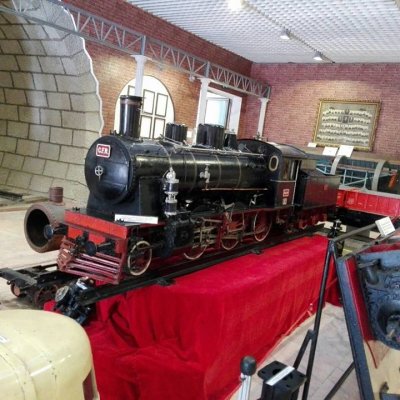
    The CFR Museum in Bucharest

    On Calea Griviței nr. 193B, in the inner courtyard of a railway administrative complex immediately adjacent to Gara de Nord, sits one of the oldest technical museums in Bucharest. The CFR Museum does not impress through scale and makes no attempt to — it impresses through the density of a heritage built over more than eight decades, bringing togeth...

  • Museums & Galleries

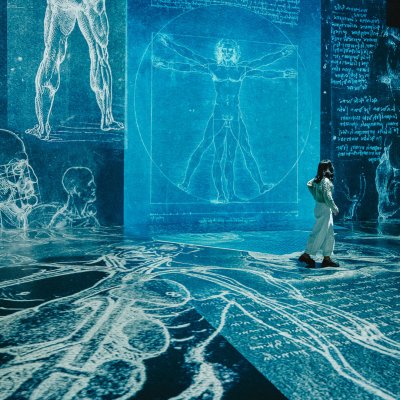
    MINA – Museum of Immersive New Art

    MINA – Museum of Immersive New Art – is the first digital immersive art space in Romania and the largest new media art center in Southeastern Europe. Located in Bucharest on George Constantinescu Street no. 2–4, the museum offers a multisensory experience where technology, art, and sound merge in spectacular ways.
    Visitors are invited to step into...

  • Museums & Galleries

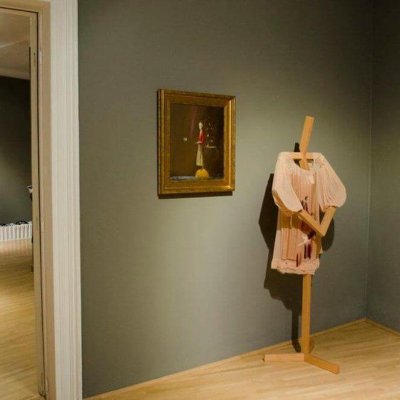
    Galeria Posibilă

    Galeria Posibilă is a contemporary art space with a strong curatorial vision, active in Bucharest since 2003. It is currently located at 6 Popa Petre Street, tucked away in a quiet courtyard near the city center. Though discreetly situated, the gallery has gained recognition for its thoughtful programming and dedication to Romanian contemporary art...

  • Museums & Galleries

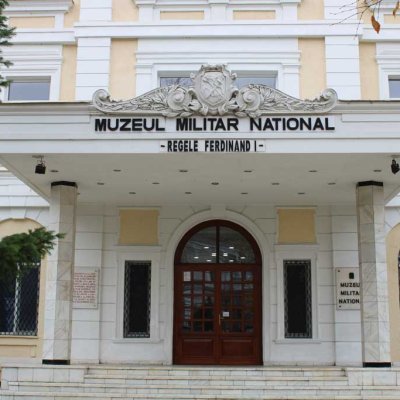
    The National Military Museum "King Ferdinand I"

    The museum was founded on 18 December 1923, by Royal Decree no. 6064, signed by King Ferdinand I himself — after whom it is named to this day. The founding purpose was clear: to preserve and pass on Romania's military memory at a time when the country had just emerged from the First World War with reunited territories, but also with deep wounds.
    Ov...

FAQ in case you need it

  • Yes, it is generally safe, with occasional petty theft in busy areas. Use common sense precautions.
  • No, but it helps. Many people speak English, especially younger generations and
    professionals.
  • Metro is fastest, public transport is cheap, and ride-sharing (Uber/Bolt) is convenient.
    Walking works great in the city center.
  • Yes. EU citizens can buy freely. Non-EU citizens can buy apartments and rent easily.
  • Bucharest is affordable compared to most EU capitals. Rent, food, and transport are
    reasonably priced. Costs depend on lifestyle.
  • Non-EU citizens need a visa or residence permit. EU citizens must register after 3 months
    with Romanian Immigration.
  • Yes. Public healthcare is accessible, but private clinics offer faster and higher-quality
    services. Health insurance is recommended.
  • Yes. Bucharest has several international schools and English-taught university programs,
    especially in medicine, business, and tech.