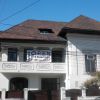
What is it like to live in Rahova, Bucharest? Here is what people who actually live there say
By Raluca Ogaru
- Articles
- 29 MAY 26
Rahova is one of the Bucharest neighbourhoods that still carries a heavier reputation than the everyday reality described by many of its residents. For some Bucharest locals, the name of the neighbourhood automatically brings to mind the image of the 1990s, rough areas, old apartment blocks and stories about safety concerns. For those who actually live there, however, the picture is much more nuanced: Rahova is a lively neighbourhood, relatively affordable, with many people outside, public transport links to the centre, but also real issues with traffic, congestion, infrastructure and major differences from one micro-area to another.
The discussion becomes even more interesting when it comes to the Sălaj area and new residential developments such as Dream Residence. Many Bucharest residents quickly label the whole area as “Rahova”, but people who know the neighbourhood point out that Sălaj has its own particularities and should not be fully confused with Sebastian, Piața Rahova or Calea Rahovei.
On Reddit, in a discussion where someone asked what it is like to live in Rahova after finding an apartment on Sălaj Street, in the Dream Residence complex, the answers were surprisingly diverse. Some confirm that the area is much quieter than its reputation suggests, while others point to traffic, the lack of metro access, congestion and specific issues in the newer residential complexes.
Rahova’s reputation and the reality described by residents
One of the ideas that appears most often in the comments of people who live or have lived in Rahova is that the neighbourhood’s bad reputation largely comes from the past. A user who says they have lived there since 1993 summarizes this perception directly: “Renumele de cartier famat e o ramasita a anilor 90. Actualmente este extrem de linistit, cel mai apropiat lucru de “scandal” e cate o petrecere ocazionala cu muzica tare de prin zona cu case.”
The same person describes Rahova as a livelier neighbourhood than other parts of the capital: “Este unul dintre cele mai vii cartiere, lumea inca iese pe afara la socializare, copiii inca ies sa se joace printre blocuri”. This is an important observation because it shows one of the differences between Rahova and neighbourhoods perceived as more settled, but less socially active.
Another comment follows the same idea: “E ok bro. Nu mai e ca pe vremuri. Dar în schimb are o chestie pe care multe cartiere nu o mai au... Toată lumea e afara la socializare... Și... Și... Are un vibe super nice”. This image appears often in the discussion: Rahova is not presented as an elegant or perfect neighbourhood, but as a place with street life, neighbours spending time outside, children, people socializing and a certain type of community.
However, this vitality can be interpreted differently. For some, it is an advantage; for others, it can become noise. One resident of Dream Residence says: “Din cauza bancilor din fata blocurilor, se sta pana tarziu in noapte afara si se face galagie. Pana pe la 22-23 stau mamele cu copii, apoi vin tinerii.” So what some people see as a lively neighbourhood may mean a lack of quiet for others, especially in the evening.
Safety: better than the reputation, but different from one area to another
Safety comes up constantly in discussions about Rahova. Many of those who live there reject the idea that the area is currently dangerous. One comment says clearly: “Am stat toata viata in Rahova, nu am fost jefuit sau batut pe strada niciodata. In schimb am patit-o langa Cișmigiu.” Another user states: “Lumea tinde sa nu te bage in seama daca nu te bagi nici tu. Si da, e mult mai sigur Rahova decat multe alte cartiere cu renume.”
These opinions should not be treated as an absolute guarantee, but they show that the perception among residents is often more relaxed than the external image of the neighbourhood. Another person who says they walk through the area at night notes: “În zona Salaj am mers de multe ori noaptea pe strada si nu am avut absolut nicio problema”.
There are also comments recommending caution. One user says Rahova has “2 zone, una decentă și una nasoală”, while another points to more sensitive areas near Piața Rahova. Another comment states: “Singura zona sa zic mai nașpa din acel cartier este zona de lângă piata Rahova cea cu "ghetourile".” These observations are relevant for anyone looking for an apartment: in Rahova, as in many large Bucharest neighbourhoods, the exact street and micro-area matter more than the neighbourhood name itself.
For a potential buyer or tenant, the correct conclusion is not that Rahova is simply “good” or “bad”. It is more useful to visit the exact area at different times of day: in the morning, in the evening, at the weekend and on a working day. This recommendation also appears in the discussion: “Nu locuiesc acolo dar sfatul meu e sa mergi de cateva ori prin zona si sa vezi cum ti se pare tie.”
Transport: good access to the centre, but no metro
Rahova has one important advantage: its connection to the city centre, especially by surface transport. Several residents mention tram 32 and buses that go toward Unirii, 13 Septembrie, Cotroceni or other areas. One comment says: “Accesul catre centru se face relativ rapid (32 sau 226 te duc in centru in mai putin de 30 min).” Another user notes: “Cu 32 poti ajunge în centru, vine destul de rapid, parcul Sebastian mi se pare destul de bine amenajat, ai supermarketuri ușor de accesat.”
For the Sălaj and Dream Residence area, however, the situation is more nuanced. A nearby resident explains: “Din Dream Residence ajungi la unirii cu 117, care e fix pe strada principala.” The same comment also mentions other connections: “După câteva stații de 117 există 139 care te duce spre Berceni/Cotroceni. Câteva stații de 117 si 2 statii de 139 si ajungi unde poti sa iei 226 ca sa ajungi usor in 13 septembrie sau pe Victoriei.”
Still, the lack of metro access is one of the clearest disadvantages of the area. One user sums it up simply: “Stau aici de mic copil, e ok, inafara de lipsa metroului.” Another says that if you do not have a personal car, the Sălaj area can feel harder to access: “Daca nu ai masina personala, zona e oarecum de inaccesibila. Ai doar 117 care trece pe acolo si esti destul de departe de orice.”
For someone considering moving there, this point is essential. If the workplace is in the centre, around Unirii or on the 13 Septembrie-Cotroceni axis, Rahova may be reasonable. If the job is in Pipera, Băneasa, northern Bucharest or in an area poorly connected by public transport, the daily commute can become tiring. A former resident recalls that the experience in the neighbourhood was good, but they moved because of the commute to Pipera: “m-am mutat din alte motive (era înainte de WFH și aveam zile când făceam și 1h30 pana la Pipera).”
Sălaj and Dream Residence: between new development and infrastructure problems
An important part of the discussion is not about Rahova in general, but about Sălaj and Dream Residence. Here, opinions differ. Some see the area as developing, with shops, gyms, supermarkets and nearby services. One comment says: “Zona dream residence s-a dezvoltat extrem de tare si vad ca e in continua dezvoltare (ai o gramada de shaormerii, sali de fitness, supermarketuri etc.).”
Another user confirms the presence of nearby facilities: “Ai in zona un Lidl si un Kaufland, spalatoria lui Nutu, shaormerii si multe magazine”. For everyday life, these things matter: if you have a supermarket, pharmacy, gym, market or small shops nearby, the neighbourhood becomes easier to live in.
On the other hand, some describe the area as being on the edge of the city, with many new buildings and limited road access. One comment points out: “Vei fi la marginea Bucurestiului. Singurul mijloc de transport in comun este 117. Din ce vad, foarte putina verdeata pe acolo, foarte multe betoane.” The same user also mentions road access: “Caile de acces catre oras sunt : Strada Pucheni si Soseaua Salaj. Ambele cu cate 1 banda pe sens. Sansele sa se aglomereze rapid sunt mari.”
This observation matters because many new residential developments in Bucharest face the same problem: the apartments may be new and the layouts may seem attractive, but the surrounding infrastructure does not always keep up with the pace of development. If leaving the area depends on one or two roads with only one lane in each direction, morning congestion becomes predictable.
Traffic, noise and everyday comfort
Traffic is one of the most frequently mentioned disadvantages. A long-time resident of the area says that leaving in the morning can be difficult: “uneori dimineata iesirea din zona este usor anevoioasa caci toata lumea iese pe Salaj si se mai aglomereaza”. The same comment suggests an alternative route: “poti iesi pe Muntii Carpati pe unde e mai liber.”
Another user, who lived near Piața Rahova and Mărgeanului, describes the experience more harshly: “Trafic oribil, făceam uneori o oră să merg 3 km până la Cotroceni dimineața.” This difference between perceptions shows how much the daily route matters. For someone who works nearby or has a flexible schedule, Rahova can be convenient. For someone who depends on fixed hours and crosses the city, it can become complicated.
Noise is another aspect mentioned in the comments. On Calea Rahovei, a former resident says: “Deși mi s a părut fain, gălăgia de pe calea Rahovei e insuportabila pt mine.” In Dream Residence, the reported issue is different: benches in front of the buildings and groups staying outside in the evening.
So, before making a decision, it is not enough to see the apartment at noon on a quiet day. It is useful to visit the area in the evening, after 22:00, in the morning between 7:30 and 9:00, and on a weekend. Only then can you understand the real noise level, traffic, parking situation and atmosphere around the building.
Shops, markets, parks and neighbourhood life
One advantage mentioned by several residents is access to shops and basic services. Depending on the micro-area, Rahova has supermarkets, a market, shopping centres, small stores, shawarma places, gyms and neighbourhood services. A former resident says: “Toate magazinele mari erau aproape: Kaufland, Carrefour, Mega Image, plus alte câteva în Vulcan Value Center”.
The Sebastian area is mentioned by several users as one of the better or more convenient parts. One comment says: “parcul Sebastian mi se pare destul de bine amenajat, ai supermarketuri ușor de accesat.” For families, proximity to a park, school, kindergarten and shops may matter more than the general reputation of the neighbourhood.
There are also observations about areas with houses, where the atmosphere seems calmer. A resident of the Sălaj area writes: “In zona de case o sa te simti bine la o plimbare. Aici stam la porti, bem o bere. Vezi tot felul de oameni, lumea nu e pe cearta.” Again, the image is of a lively neighbourhood, sometimes messy, but not necessarily hostile.
The disadvantages relate to cleanliness, noise and infrastructure. One comment mentions “mizerie”, another talks about “caca de câine” near apartment building entrances, while a Dream Residence resident says that a “farmacie non-stop nu e prea aproape”. These details are not spectacular, but they matter in everyday life.
Lower prices come with compromises
Rahova is attractive to many buyers and tenants precisely because prices are generally more accessible than in central, northern or very well metro-connected neighbourhoods. One comment states this directly: “Fiind una din zonele mai ieftine ale bucurestiului dpdv imobiliar, populatia este in mare parte destul de tanara fiind atractiv sa cumperi sau sa inchiriezi aici.”
The lower price can be a real advantage, especially for young people, families at the beginning of the road or people looking for larger apartments at a reasonable budget. At the same time, the price difference comes with certain compromises: no metro, more difficult routes toward the north of the city, uneven local infrastructure, traffic on narrow streets and major comfort differences between micro-areas.
One comment formulates this idea very well: “Nu este chiar asa rau, daca stai sa o iei, orice cartier are plusuri si minusuri, nu exista cartierul perfect.” For Rahova, this may be the most balanced observation. The neighbourhood is no longer the harsh image from the 1990s, but it does not automatically become an ideal choice for everyone either.
Is it worth moving to Rahova?
The answer depends a lot on lifestyle. If you work nearby, have a car or do not rely on the metro every day, if you want a more affordable price and can accept a lively, sometimes noisy neighbourhood, Rahova may be a reasonable option. If you need a metro station near home, quiet evenings, flawless infrastructure and quick access to northern Bucharest, you should analyse carefully before deciding.
For the Sălaj/Dream Residence area, the important questions are even more concrete: how long it takes you in the morning to get to work, what public transport options you have nearby, what traffic on Șoseaua Sălaj is like, how noisy the area is in the evening, how the water pressure is in the building, how well insulated the apartments are and what facilities you have within a few minutes’ walk.
The Reddit comments offer a nuanced conclusion. One resident says: “Overall recomand. E o zona safe, cu acces la chestii si e relativ accesibila”. Another says simply: “Nu e nimic rău la el și nimic deosebit din punctul meu de vedere. Dacă ai găsit acolo și îți place go for it.” At the same time, others point to traffic, lack of metro, noise, concrete-heavy development and differences between areas.
The fairest conclusion is that Rahova should be evaluated on the ground. Not by reputation, not by jokes such as “RahoVegas”, but not by a single optimistic opinion either. For anyone looking for an apartment, the best method is simple: go to the area several times, check the daily route, talk to neighbours, look at the building, the entrance, the surroundings and public transport. In Rahova, as in many Bucharest neighbourhoods, the exact street may matter more than the name of the neighbourhood.
READ ALSO:
Education in Bucharest: How traffic and commuting time impact school performance