Alternative cultural spaces: location ideas that will surprise you
By Raluca Ogaru
- Articles
- 31 AUG 26
Bucharest is breaking away from the classic mold of formal performance halls and rigid museum routes. The city hides a dynamic network of independent spaces where contemporary art, social theatre, and community initiatives breathe fresh air. For anyone seeking authentic urban experiences away from the crowded main boulevards, these spots offer a different perspective on local cultural life.
Repurposed industrial buildings, hidden courtyards, and interdisciplinary labs prove that artistic expression gains a whole new energy when brought closer to people. Here are a few landmarks that have radically changed how culture is experienced in the capital.
Former industrial halls brought back to life through art
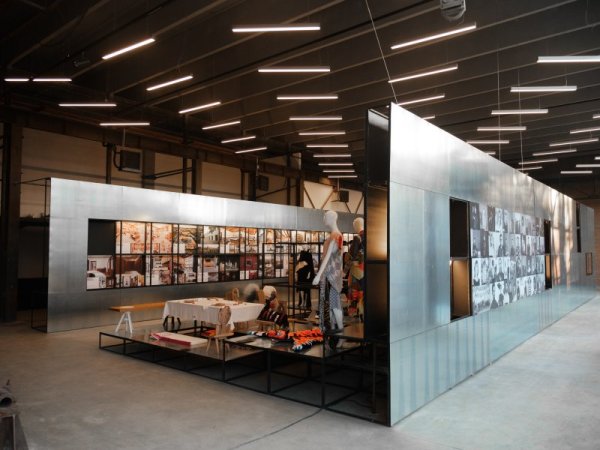
In the northern part of the city, at 29 Băiculești Street, lies an impressive creative ecosystem. Combinatul Fondului Plastic, a complex built between 1966 and 1972 for the Romanian Fine Arts Union, has re-emerged as the main powerhouse of contemporary art in Bucharest. The site brings together creative studios, spacious industrial courtyards, and renowned galleries such as Nicodim Gallery, Sector 1, and Sandwich.
Walking among the complex’s buildings delivers a distinctive atmosphere completely different from traditional museums. Visitors can catch experimental openings, large-scale sculpture exhibitions in the SENAT space, or outdoor design events and artisan fairs. Direct access to artists' studios and the vibe of an active creative lab make this address an essential stop for curious explorers.
Over on Splaiul Unirii, another former industrial site—the old Cotton Factory—houses Nod Makerspace. This spot operates as an open playground for architects, designers, artists, and makers. Inside, you will find digital prototyping equipment, woodworking shops, and MATER, the first material library in Southeast Europe. Regularly organized events bring the creative community and the public together to explore applied design projects and learn new skills.
Community theatre and spaces for social dialogue
Alternative culture is not limited to visual arts; performing arts have developed strong independent voices. Centrul de Teatru Educațional Replika, located on Lânăriei Street, introduces a unique model of civic engagement through theatre. The project focuses on accessibility, offering free-admission performances that tackle urgent social topics: academic pressure, parent migration, social inequality, and family dynamics.
The intimate hall at Replika erases the boundary between stage and audience. Every performance is followed by open discussions between spectators, actors, and directors, turning theatre into an active tool for dialogue and critical reflection. It is the kind of venue you visit not just to follow a story, but to better understand modern social realities.
Along the same independent theatre path is unteatru, located on Sfinții Apostoli Street. Born out of a clear drive for artistic independence, the venue has become a home for auteur stage plays, acoustic music sets, and public readings. The warm atmosphere, minimalist aesthetic, and thoughtful curation of plays draw a dedicated community of theatregoers looking for depth and raw emotion.
How to explore the city's alternative scene
Bucharest’s independent scene operates on its own rhythm. Unlike public institutions with rigid schedules, many galleries and alternative spaces center their programming around openings, neighborhood festivals, and open-weekend events.
READ ALSO: Top lesser-known parks in Bucharest for peaceful walks
READ ALSO: Heritage houses and historic buildings reopened to the public in the capital
To keep up with what is happening, follow each collective’s communication channels directly or check independent cultural maps. Whether you spend an afternoon visiting an exhibition in a former factory hall or joining a debate in a community theatre, alternative Bucharest always has memorable discoveries in store.