Bucharest, the most polluted European capital. What measures could be taken to avoid this situation
By Raluca Ogaru
- NEWS
- 31 MAR 26
Bucharest has been facing an increasingly visible problem for several years: poor air quality. Recent data confirm a worrying trend, placing the capital among the most polluted cities in Europe. In this context, discussions about causes and solutions are becoming essential for both authorities and residents.
Pollution levels remain above recommended limits
Bucharest continues to struggle with high levels of air pollution, ranking among the European capitals with the highest concentrations of fine particles. Recent data show that PM2.5 levels frequently exceed the limits recommended by the World Health Organization, raising serious concerns about public health.
Specialists warn that constant exposure to polluted air is associated with respiratory and cardiovascular diseases, as well as a reduced life expectancy. In large urban areas like Bucharest, these risks are amplified by high population density and heavy traffic.
The most affected areas and main sources
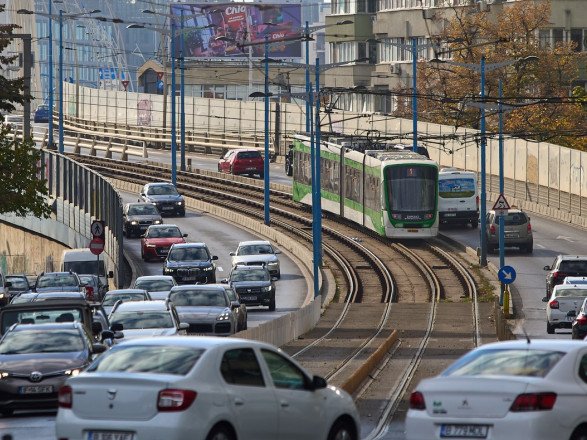
Several areas of the capital consistently record pollution levels above legal thresholds. Busy intersections and high-traffic neighborhoods are among the most affected, especially where road traffic overlaps with construction activity and a lack of green spaces.
The main sources identified include road traffic, residential heating, and dust from construction sites. During the cold season, the use of anti-skid materials further contributes to the increase in airborne particles. Additionally, the lack of efficient real-time monitoring makes it more difficult for authorities to respond quickly.
What authorities and experts say
Representatives of the Ministry of Environment emphasize that the first step is proper and fully functional air quality monitoring. Without accurate and consistent data, interventions cannot be effectively targeted to the most affected areas.
Environmental policy experts argue that authorities must identify the major sources of pollution and intervene directly. This involves coordinated measures, from restricting traffic in certain areas to stricter control of construction sites and heating systems.
READ ALSO:
Top 5 towns near Bucharest to choose for your next home. Here’s why we picked them!
How a well-managed city center looks in Europe — and what Bucharest could learn from it
Concrete measures that could reduce pollution
Reducing pollution in Bucharest requires a set of measures applied simultaneously. Among the solutions proposed by specialists are modernizing public transport and encouraging its use, while discouraging car traffic in central areas.
Another important measure is expanding green spaces and creating urban green corridors, which can help filter the air. Stricter regulation of construction sites is also necessary to reduce dust, along with investments in less polluting residential heating systems.
Last but not least, experts recommend full transparency in publishing air quality data and active citizen involvement in monitoring the situation. Independent measurement platforms can complement official data and provide a clearer picture of pollution trends.
A long-term objective for the administration
Reducing pollution cannot be achieved in the short term, but requires a long-term strategy supported by investments and coherent policies. Romania’s capital needs an integrated plan that includes urban mobility, green infrastructure, and sustainable energy solutions.
Without firm and consistently applied measures, the risk of Bucharest remaining among the most polluted cities in Europe remains high. At the same time, public pressure and European standards could accelerate the implementation of solutions aimed at significantly improving air quality in the coming years.