Locations close to The CFR Museum in Bucharest

  • Museums & Galleries

    Grigore Antipa Museum

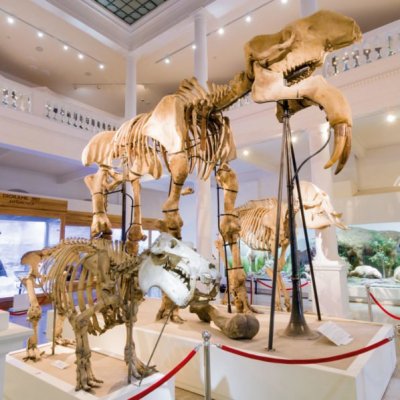
    There isn't a Bucharest resident you ask about the capital's museums who doesn't mention the Grigore Antipa Museum. And with good reason: it is one of the most prestigious museums in Romania and Eastern Europe, currently housing over 2 million exhibits.

    Founded in 1834 and named after the famous Romanian biologist Grigore Antipa, the museum near H...
  • Museums & Galleries

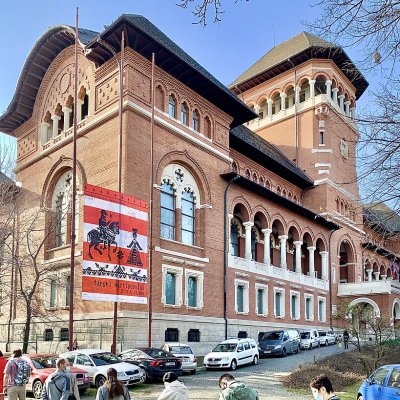
    The National Museum of the Romanian Peasant (MȚR)

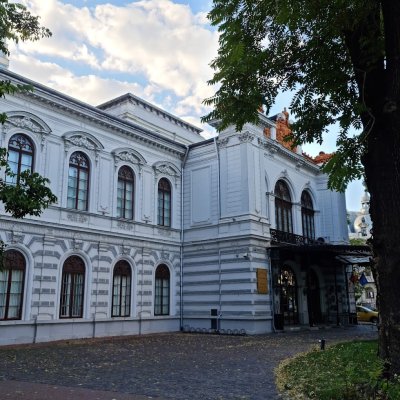
    The National Museum of the Romanian Peasant (MȚR) is one of the most important cultural institutions in Romania dedicated to traditional rural life. Housed in a heritage building in Neo-Romanian architectural style, the museum features an impressive collection of authentic artifacts: from folk costumes and painted icons to tools, furniture, and eve...

  • Museums & Galleries

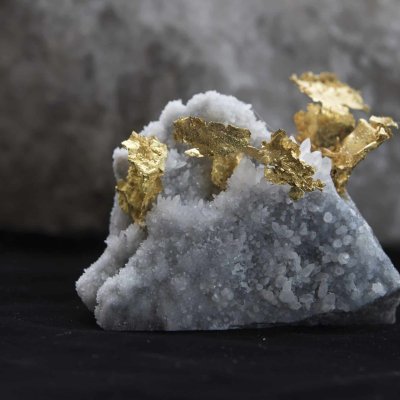
    National Geological Museum — Bucharest

    The building on Kiseleff Boulevard no. 2 is worth a stop before you even step inside: built in the early 20th century in neo-Brâncovenesc style, it is a listed architectural monument in its own right. Inside, three floors and 14 rooms house around 7,700 exhibits — fluorescent minerals, crystals, rocks over a billion years old, fossils, drill cores...

  • Museums & Galleries

    Cotroceni National Museum

    The Cotroceni National Museum, located in the Cotroceni Palace in Bucharest, is a cultural institution of great importance, reflecting Romania's rich history and art. The palace, built in the 17th century and renovated in the neoclassical style in the late 19th century, serves as the presidential residence and has been home to the museum since 1991...

  • Museums & Galleries

    Dimitrie Guști National Village Museum

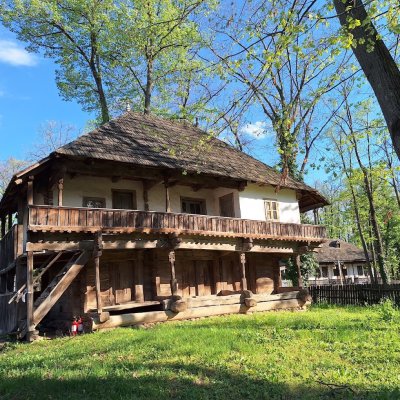
    The Dimitrie Gusti National Village Museum, the second largest open-air ethnographic museum in the world after the one in Stockholm, is a fascinating place where you can get to know your past, your history, your roots. It is the mirror of Romanian country life, the museum celebrating Romanian traditions and culture.

    Inaugurated in 1936 by the soc...

  • Museums & Galleries

    The National Museum of Romanian History (MNIR)

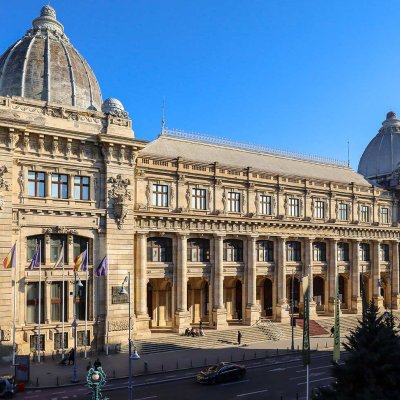
    The National Museum of Romanian History (MNIR), located in Bucharest, on Calea Victoriei, was established in 1970 and is housed in an impressive building dating back to the Belle Époque period. The building, constructed between 1894 and 1899, was originally the headquarters of the Central Post Office, and its transformation into a museum was part o...

  • Museums & Galleries

    Spring Palace (Ceaușescu House)

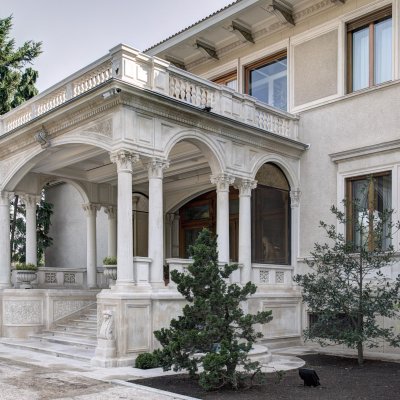
    The Spring Palace, also known as the Ceaușescu House, is, as the name suggests, the former private residence of Nicolae and Elena Ceaușescu. Located in Bucharest, this palace offers a fascinating glimpse into the luxurious life of the former dictator and his family, and is one of the most impressive examples of architecture and history from Romania...

  • Museums & Galleries

    Suțu Palace

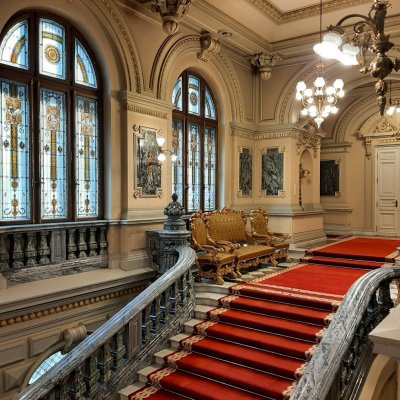
    Built in 1835 by the high-ranking official Costache Suțu, Suțu Palace is one of the oldest aristocratic residences still standing in Bucharest. The building stands out for its Neo-Gothic architecture, with elegant details, stained-glass windows, and a striking spiral staircase that dominates the interior.
    Located near University Square, the palace...

  • Museums & Galleries

    Casa Melik (Theodor Pallady Museum)

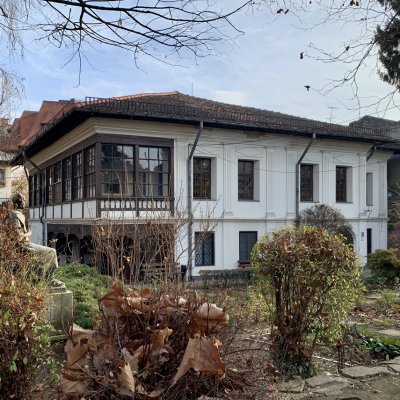
    Casa Melik (Theodor Pallady Museum) is a living fragment of the 18th century, hidden among apartment blocks and busy streets, yet entirely detached from the pace of modern-day Bucharest. Built in traditional Romanian style with Oriental influences—with a wooden veranda, steep roof, and open porch—it is considered the oldest surviving residence in t...

  • Museums & Galleries

    National Technical Museum „Dimitrie Leonida”

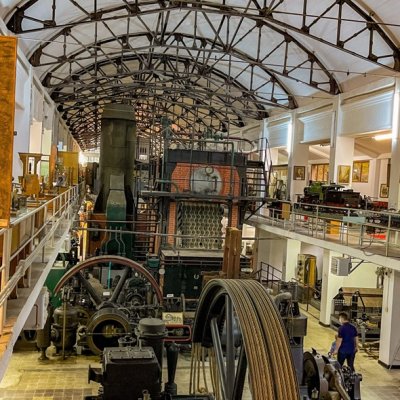
    Founded in 1909 by engineer Dimitrie Leonida and inspired by the technical museum in Munich, the National Technical Museum was the first of its kind in Romania. From the beginning, it had a strong educational mission, using interactive exhibits to make science and technology more accessible to the general public.
    Located in Carol I Park, at 2 Gener...

FAQ in case you need it

  • Yes, it is generally safe, with occasional petty theft in busy areas. Use common sense precautions.
  • No, but it helps. Many people speak English, especially younger generations and
    professionals.
  • Metro is fastest, public transport is cheap, and ride-sharing (Uber/Bolt) is convenient.
    Walking works great in the city center.
  • Yes. EU citizens can buy freely. Non-EU citizens can buy apartments and rent easily.
  • Bucharest is affordable compared to most EU capitals. Rent, food, and transport are
    reasonably priced. Costs depend on lifestyle.
  • Non-EU citizens need a visa or residence permit. EU citizens must register after 3 months
    with Romanian Immigration.
  • Yes. Public healthcare is accessible, but private clinics offer faster and higher-quality
    services. Health insurance is recommended.
  • Yes. Bucharest has several international schools and English-taught university programs,
    especially in medicine, business, and tech.