Where Is It Cheaper to Live, Bucharest or Budapest?
By Raluca Ogaru
- Articles
- 31 MAR 26
The dilemma of choosing between Bucharest and Budapest has long ceased to be just about tourism or culture. For young professionals, entrepreneurs, or families seeking a balance between income and expenses, the question "where will I have more money left in my pocket at the end of the month?" has become essential. Although both cities are economic engines of the region, recent data reveals a surprising reality: Bucharest is, on average, 15% cheaper than Budapest.
This difference isn't just an abstract figure on a graph; it is felt directly in the cost of the daily shopping basket, utility bills, and, most notably, in rents. In a Europe marked by inflation, Bucharest manages to remain a more accessible destination, offering a price-quality ratio that tips the scales in favor of the Romanian capital.
Rent and Utilities: The Difference Felt Immediately
If you're thinking about moving, the first impact comes from the real estate sector. Comparative data shows that housing in Bucharest is approximately 34% cheaper than in Budapest. While high demand and intense tourism in the Hungarian capital have pushed rents toward thresholds barely reachable for locals, Bucharest still maintains a more settled market. A studio or a two-room apartment in semi-central areas of Bucharest allows you to breathe a sigh of relief, saving sums that, in Budapest, would go exclusively toward the roof over your head.
The situation regarding utilities is no different. Although energy prices have fluctuated globally, Bucharest benefits from a cost structure that still favors the tenant. Maintenance, electricity, and internet—a category where Romania remains a European champion in both speed and price—are significantly lower. This 34% saving in the "Housing" segment is, practically, the main driver making Bucharest a more attractive financial option.
Food and Transportation: The Cost of City Life
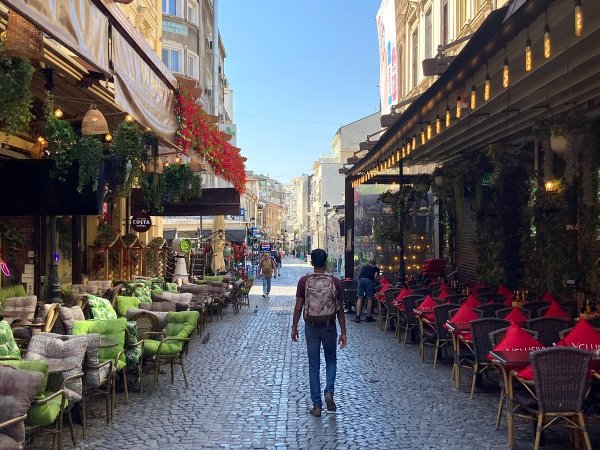
Live the moment and enjoy a meal out, but watch the price! In the food and restaurant segment, Bucharest is 14% cheaper. If you go to the supermarket, you'll notice that basic products, fruits, and local vegetables have friendlier prices in Bucharest's markets compared to those in Budapest. Even a meal at a mid-range restaurant in Bucharest’s Old Town will cost you less than a similar experience on the banks of the Danube in Pest.
Regarding transportation, the difference is smaller—about 4%—but still in Bucharest's favor. Metro tickets and public transport are generously subsidized, providing affordable mobility. In contrast, Budapest prides itself on a better-developed and more extensive transport infrastructure, but this comes with a maintenance cost reflected in the price of monthly passes. However, if you rely on public transport, your wallet will feel a slight relief in Bucharest.
Personal Care and Relaxation
We cannot ignore small pleasures or daily needs. Personal care, from gym memberships to cosmetic services or haircuts, is 13% cheaper in Bucharest. This is an aspect that matters immensely for the quality of life. On the other hand, entertainment—cinema, theater, or concert tickets—shows almost perfect equality (+0%), signaling that the cultural and entertainment industry has aligned with European price standards in both capitals.
Breathe a sigh of relief, as official data supports these observations. Purchasing power indices show that although net salaries may be comparable in certain sectors, the lower cost of living in Bucharest offers higher local purchasing power. According to specialized reports, Bucharest has steadily climbed the ranks of European cities with the fastest growth in quality of life relative to costs.
The Economic Foundation and the Future of Costs
From a legal and fiscal standpoint, Romania and Hungary have different policies that influence these prices. VAT on food, fuel excise duties, and local taxes are levers that keep Bucharest on a more accessible trajectory. Furthermore, the dynamics of the labor market in Bucharest, where the IT sector and outsourced services dominate, have created a middle class with incomes exceeding the regional average, without service prices exploding to the same extent as in Budapest.
READ ALSO:
Bucharest Ranked Among the Top 5 Geographical Confusions in the World
Bucharest vs Budapest and Prague: which city wins?
In conclusion, if you weigh all the categories, Bucharest clearly wins the price battle. With an overall economy of 15%, the Romanian capital is not just a "backup" option, but a top destination for those who want to enjoy metropolitan life without the constant financial stress found in other European capitals. Next time you compare the two cities, remember that while Budapest may have the Danube and imperial architecture, Bucharest offers you the financial freedom to enjoy the best the city has to offer.