How Bucharest residents organize their shopping to save money every month
By Bucharest Team
- Articles
- 16 JUL 26
Life in Bucharest involves ever-increasing expenses, and for many families, careful management of the monthly budget has become a priority. Costs for housing, utilities, transport, and services leave less and less room for impulsive shopping, so many residents of the Capital have changed their habits when it comes to household provisioning.
Shopping planning has become a necessity, not a whim
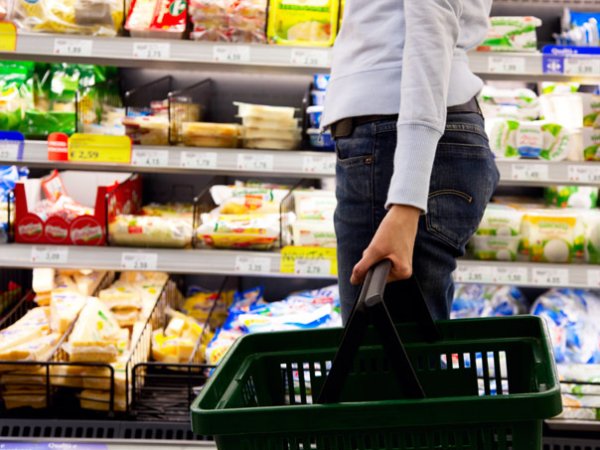
If a few years ago many shoppers entered a supermarket without a clear list and left with products that were not necessarily needed, today the situation is different. Bucharest residents carefully plan their meals for the entire week, check store offers, and try to take advantage of available discounts before going shopping.
A first step that more and more families take is setting a monthly budget dedicated exclusively to food and household products. This is then divided by weeks, which allows better control over expenses and reduces the risk of the money running out before the end of the month.
Planning the menu for a few days or even for an entire week is an efficient saving method. When people know exactly what they are going to cook, they buy only the necessary ingredients and avoid food waste. In addition, this habit reduces the number of trips to the supermarket, where temptations are numerous.
Many Bucharest residents say that the shopping list is one of the most important saving tools. A well-made list helps them not buy unnecessary products and stay focused on the things they truly need.
Comparing offers before each shopping session
An obvious change in consumer behavior is the attention paid to promotions. Before going shopping, many Bucharest residents consult the online catalogs of supermarkets and compare prices for the products they buy frequently.
The mobile applications of major retail chains have become extremely popular because they allow discounts to be viewed before the store visit. Thus, people can decide where they find the best offers for meat, dairy products, fruit, vegetables, or hygiene products.
There are also families that choose to split their shopping between several stores. Food products are bought from one supermarket, detergents and cleaning products from another, and fruit and vegetables from agro-food markets. Although this strategy takes more time, price differences can generate significant savings over the course of a month.
For products with a long shelf life, shoppers take advantage of promotions such as “2+1 free” or substantial discounts applied to certain brands. In contrast, they avoid buying large quantities of perishable products just because they are on sale, because the risk of throwing them away is high.
In recent years, an increase has also been observed in interest in supermarket private labels. These are, as a rule, more affordable than established brands and, in many cases, offer comparable quality.
Markets remain an important option for many families
Although supermarkets dominate food retail in the Capital, traditional markets continue to be preferred by numerous Bucharest residents, especially for fruit, vegetables, greens, eggs, or local products.
An important advantage is the possibility of directly comparing prices among several vendors. In many situations, buyers manage to negotiate the price when purchasing larger quantities or when shopping toward the end of the program.
Seasonal products represent one of the best saving methods. Tomatoes, peppers, cherries, or strawberries are significantly cheaper during the period when they are produced in Romania, and shoppers take advantage of these moments to prepare preserves or to freeze fruit and vegetables for the following months.
Many Bucharest residents say they prefer to buy meat and dairy products from specialized stores, but choose fruit and vegetables from markets, considering that the price-quality ratio is more advantageous.
Buying in larger quantities reduces costs
An increasingly widespread strategy is buying non-perishable products in larger quantities. Rice, pasta, flour, sugar, oil, canned goods, detergent, toilet paper, or cleaning products are purchased when they benefit from significant discounts.
Through this method, families avoid paying the full price when the products return to their usual value. In addition, they reduce the number of urgent purchases, which are often more expensive.
However, there is also an important rule: products are bought in large quantities only if they are used regularly. Purchasing items only because they are on promotion can lead to unnecessary expenses and unnecessary occupation of storage space.
Many Bucharest residents even organize a small stock of basic products, so that they can take advantage of discount periods without being forced to buy at maximum price for the rest of the year.
More and more people cook at home
One of the most efficient saving methods remains preparing meals at home. Even though home delivery and restaurants are very accessible in Bucharest, their costs can easily exceed a family’s budget.
Many people prepare food for two or three days, thus reducing both the time spent in the kitchen and the temptation to order out after a tiring day.
In addition, cooked meals allow full use of the purchased ingredients. Food leftovers can be turned into other dishes, which reduces waste and contributes to saving money.
Another increasingly common habit is preparing lunch for work. Instead of buying food daily from restaurants or fast-food places, many employees choose to bring their lunch from home, saving significant amounts at the end of the month.
Online shopping helps them better control the budget
For some Bucharest residents, online shopping represents an efficient method of controlling expenses.
Online stores allow quick price comparison and eliminate the temptations encountered on the shelves of physical stores. In addition, the total value of the cart is permanently visible, and shoppers can remove products that exceed the established budget.
Some choose home delivery services only for large orders, while supplementary shopping is done from stores located near the home.
At the same time, online orders offer the possibility of checking the shopping history, which helps consumers identify the products they buy too often or that generate unnecessary expenses.
Reducing food waste brings important savings
Specialists in domestic economy draw attention to the fact that a significant part of a family’s budget is lost by throwing away expired or uneaten food.
For this reason, many households in Bucharest pay more attention to organizing the refrigerator and pantry. Products with a shorter shelf life are consumed first, and food is stored so that it is visible and easy to use.
Freezing food has become a frequently used solution. Bread, meat, vegetables, or cooked dishes can be kept longer without significant loss of quality.
Also, portions are adapted to the number of people in the family in order to avoid preparing excessive amounts of food.
Loyalty cards and discount apps are gaining ground
Most major retail chains offer loyalty cards and mobile applications through which customers benefit from personalized discounts.
Many Bucharest residents check these applications before each purchase and activate the available coupons for the products they intend to buy.
Also, some applications bring together offers from several stores and allow quick price comparison, saving time and money.
More and more people also follow special campaigns organized before holidays or during seasonal discount periods, when they can buy products at significantly lower prices.
Small habits that make the difference
Saving does not always depend on spectacular decisions. Most of the time, the difference is made by daily habits.
Many Bucharest residents avoid going shopping when they are hungry, because studies on consumer behavior show that in such situations people buy more products than they needed.
Another rule is avoiding frequent visits to the supermarket. Daily trips for one or two products often turn into carts much larger than planned.
At the same time, paying with cash is preferred by some people because it helps them better realize the amount spent. Others use banking applications to track expenses in real time and quickly identify the categories that consume the largest part of the budget.
Saving has become part of the lifestyle of many Bucharest residents
In a city where the cost of living continues to be high, organizing shopping is no longer just a method of reducing expenses, but an essential component of efficient family budget management.
Careful planning, comparing offers, using shopping lists, choosing seasonal products, reducing food waste, and using discount apps are just some of the strategies that help Bucharest residents save significant amounts every month.
Although each family adapts its own methods according to income and needs, they all have one common element: shopping is no longer done randomly. It is the result of careful planning, information, and the desire to obtain the best price-quality ratio.
In the end, saving does not mean giving up comfort or favorite products, but developing smart habits that allow the efficient use of available resources. For more and more Bucharest residents, this approach has become part of the daily routine and one of the most efficient ways to cope with the financial challenges of urban life.
We also recommend: The best affordable restaurants in Bucharest: where to eat well on a budget