How Bucharest residents lived 300 years ago. The museum on Calea Victoriei where you can discover everyday life in the past
- Articles
- 16 NOV 26
What did a home in Bucharest look like 300 years ago? What objects did people keep in their houses, how did they dress, and how different was childhood from what children experience today? At 151 Calea Victoriei, a museum recreates family life over the past three centuries, displaying furniture, clothing, toys, and everyday objects once found in Bucharest households.
The Museum of Ages (Muzeul Vârstelor) is housed in the Filipescu-Cesianu House, a former aristocratic residence near Victory Square (Piața Victoriei). Its permanent exhibition, opened in December 2016, explores nearly 300 years of urban life, from 18th-century interiors to the transformations of the 20th century.
The museum is open Wednesday to Sunday, from 10 a.m. to 6 p.m. Admission costs 20 RON for adults and 10 RON for visitors eligible for reduced tickets.
What a Bucharest home looked like three centuries ago
Before household appliances, modern plumbing, and mass-produced furniture became common, homes operated very differently. Everyday objects were often used for many years, while the size, furnishings, and comfort of a home depended largely on a family's financial circumstances and social standing.
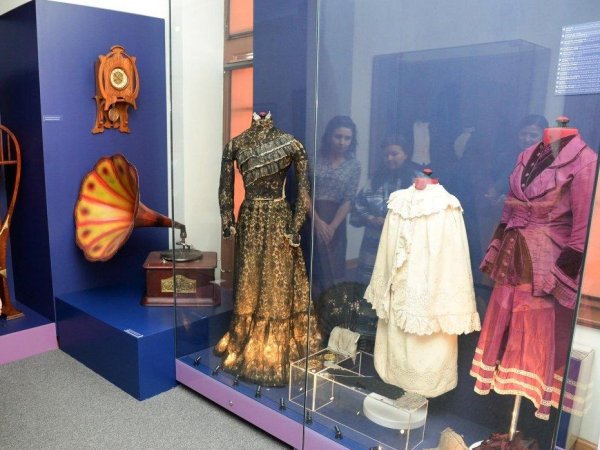
At the Museum of Ages, visitors can see how urban interiors changed between the 18th and 20th centuries. The ground floor focuses on the earlier periods, while the upper floor explores more recent transformations. Furniture, tableware, decorative pieces, and personal accessories reveal homes that looked very different from the apartments and houses Bucharest residents live in today.
The exhibition does not exclusively recreate the lives of the Filipescu-Cesianu family. Its objects come from the collections of the Bucharest Municipality Museum and were brought together to illustrate changes in urban life. The distinction matters: the house itself dates from the 19th century, but the story told inside begins roughly a century earlier.
Moving from one room to another, visitors can also notice changes in taste and fashion. Furniture, decorations, and personal belongings reflect the styles of different periods, as well as the differences between wealthy households and families with more modest means.
Childhood, family life, and habits that changed from one generation to another
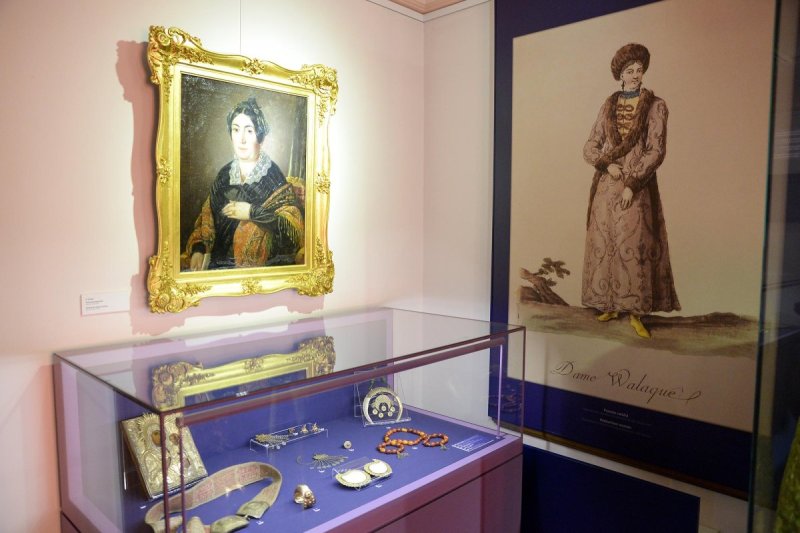
The Museum of Ages goes beyond the history of homes. Its exhibition explores the stages of human life, from childhood and adolescence to adulthood and old age. Toys, clothing, photographs, personal hygiene objects, and medical instruments help visitors understand how people lived and cared for their families.
Childhood is one of the exhibition's themes. Toys and objects associated with education reveal how much children's lives have changed, particularly during periods when access to schooling, leisure time, and family responsibilities depended heavily on social background.
Adult life underwent equally significant transformations. Clothing, personal care routines, and household objects evolved as Bucharest developed. Some of the items on display remain familiar, even if their appearance differs from modern versions. Others have almost completely disappeared from everyday use.
The exhibition approaches these changes through urban anthropology, with Bucharest as its main case study. Rather than focusing exclusively on political events, it explores people's everyday experiences, relationships between generations, and the transformation of domestic spaces.
Those interested in similar experiences can explore 10 niche museums in Bucharest for visitors looking beyond the usual attractions, featuring collections and lesser-known stories from the city's cultural history.
The house itself has nearly two centuries of history
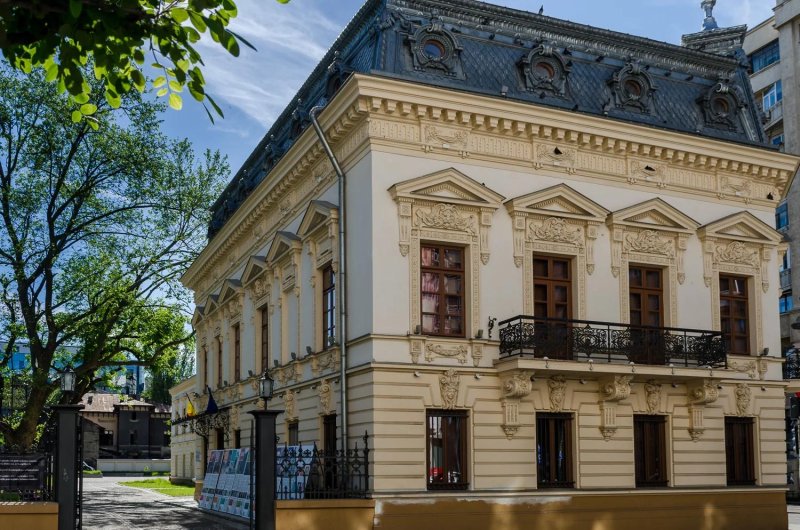
The building on Calea Victoriei is a surviving piece of old Bucharest. Its origins date to approximately 1846–1850, when the surrounding area included properties belonging to aristocratic families. Among its former residents were Iancu Filipescu and Maria Ghica Filipescu.
In 1892, lawyer Constantin Cesianu decided to transform the residence. Architect Leonida Negrescu extended the building, redesigned its exterior decorations, added an imperial-style roof, and landscaped the grounds. Much of the house's present appearance dates from this period.
A lesser-known detail concerns Sevastopol Street itself. It was once called "Ulița Filipescului", or Filipescu Lane, because it ran alongside properties belonging to the family. Its current name appeared after the Crimean War, fought between 1853 and 1856.
The house changed ownership several times. In 1935, it was sold to the Romanian Broadcasting Society, and in 1939, it became the property of Bucharest City Hall. Although authorities considered turning it into a museum as early as the 1940s, the building was used for offices and storage for many years.
Restoration eventually made it possible to open the Museum of Ages in 2016. More about the building's past, including its architectural transformations, can be found in the history of the Filipescu-Cesianu House, one of Bucharest's Belle Époque aristocratic residences.
How much admission costs and what else you can see at the Filipescu-Cesianu House
The Museum of Ages is located at 151 Calea Victoriei, at the intersection with Sevastopol Street, a short distance from Victory Square. It is open Wednesday to Sunday, from 10 a.m. to 6 p.m., with last admission at 5:30 p.m. The museum is closed on Mondays and Tuesdays.
A standard ticket costs 20 RON, while reduced admission is 10 RON for pupils, students, pensioners, and other eligible visitors. Children under seven can enter free of charge. Guided tours are available for groups of at least 15 people, at a cost of 20 RON per person, with reservations made at least two working days in advance by emailing educatie@muzeulbucurestiului.ro.
Visitors can also explore the garden of the former aristocratic residence, which was restored and reopened to the public after many years without a recreational function. The grounds include a Lapidarium and an area used for concerts and theatre performances.
The Filipescu-Cesianu House is among the buildings that preserve fragments of Bucharest's residential history. For a broader look at how people lived in the city during a more recent period, the homes of interwar Bucharest, from elegant villas to working-class neighbourhoods offer another perspective on the city's changing urban landscape.