Locations close to The Museum of Art Collections in Bucharest

  • Historical Sites

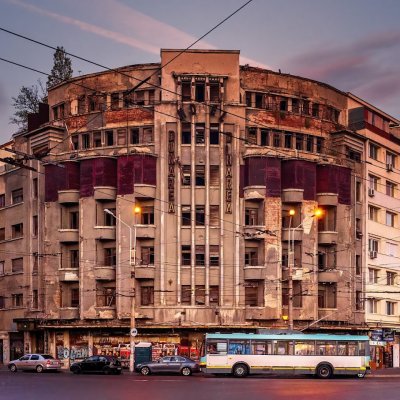
    Hotel Dunărea

    Located right on Calea Griviței, in the northern part of the capital, , Hotel Dunărea stands sealed shut. It’s a massive, decaying structure—peeling facade, shattered windows, metal barricades at the entrance. Once a functioning state-run hotel, now a long-abandoned carcass, neglected by every institution that should’ve dealt with it.
    Built in the...

  • Museums & Galleries

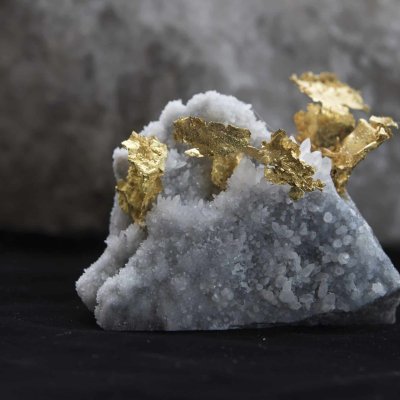
    National Geological Museum — Bucharest

    The building on Kiseleff Boulevard no. 2 is worth a stop before you even step inside: built in the early 20th century in neo-Brâncovenesc style, it is a listed architectural monument in its own right. Inside, three floors and 14 rooms house around 7,700 exhibits — fluorescent minerals, crystals, rocks over a billion years old, fossils, drill cores...

  • Museums & Galleries

    The National Military Museum "King Ferdinand I"

    The museum was founded on 18 December 1923, by Royal Decree no. 6064, signed by King Ferdinand I himself — after whom it is named to this day. The founding purpose was clear: to preserve and pass on Romania's military memory at a time when the country had just emerged from the First World War with reunited territories, but also with deep wounds.
    Ov...

  • Museums & Galleries

    The National Museum of the Romanian Peasant (MȚR)

    The National Museum of the Romanian Peasant (MȚR) is one of the most important cultural institutions in Romania dedicated to traditional rural life. Housed in a heritage building in Neo-Romanian architectural style, the museum features an impressive collection of authentic artifacts: from folk costumes and painted icons to tools, furniture, and eve...

  • Museums & Galleries

    The National Museum of the Romanian Peasant

    One of the most important ethnography museums in Europe, with a collection of over 155,000 objects — folk costumes, ceramics, glass icons, tools, textiles, and everyday household items from all Romanian provinces. The neo-Romanian style building is itself a historic landmark.
    The permanent exhibition was reopened in April 2025 following restoration...

  • Cafes & Tea Houses

    Cofetăria Casa Capșa

    Located at 36 Calea Victoriei, in the very heart of Bucharest, Casa Capșa is more than just a pastry shop – it’s a cultural landmark and a symbol of refinement with a legacy that dates back over 160 years. Founded in 1852 by the Capșa brothers, the location quickly became a meeting point for Romania’s literary and political elite, attracting writer...

  • Education

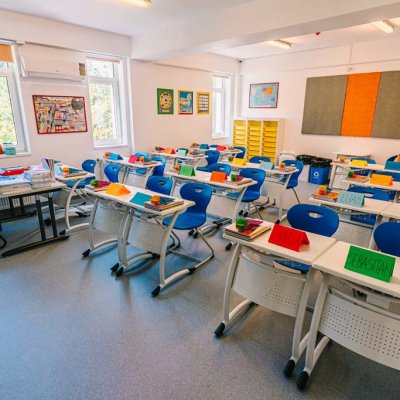
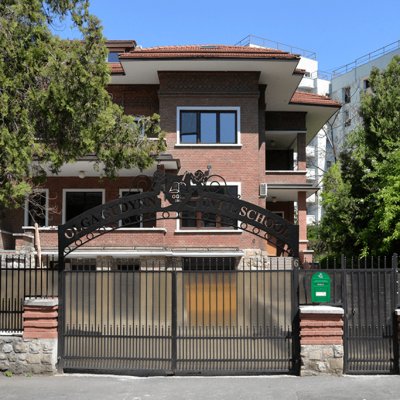
    Idees Primary and Secondary School

    The first accredited private German language school in Bucharest.
    IDEES Primary and Secondary School places a special emphasis on bilingual education, offering intensive German language teaching alongside the Romanian national curriculum. Pupils benefit from a multicultural environment, having the opportunity to learn and express themselves fluentl...

  • Accomodation

    Grand Hotel Bucharest

    Grand Hotel Bucharest (formerly InterContinental Bucharest) is a 5-star hotel located in the center of Bucharest, on Nicolae Balcescu Boulevard, close to major tourist attractions such as the Romanian Athenaeum and Cișmigiu Park.
    It offers elegant rooms with panoramic views of the city and top facilities including a fitness center, spa, indoor swi...

FAQ in case you need it

  • Yes, it is generally safe, with occasional petty theft in busy areas. Use common sense precautions.
  • No, but it helps. Many people speak English, especially younger generations and
    professionals.
  • Metro is fastest, public transport is cheap, and ride-sharing (Uber/Bolt) is convenient.
    Walking works great in the city center.
  • Yes. EU citizens can buy freely. Non-EU citizens can buy apartments and rent easily.
  • Bucharest is affordable compared to most EU capitals. Rent, food, and transport are
    reasonably priced. Costs depend on lifestyle.
  • Non-EU citizens need a visa or residence permit. EU citizens must register after 3 months
    with Romanian Immigration.
  • Yes. Public healthcare is accessible, but private clinics offer faster and higher-quality
    services. Health insurance is recommended.
  • Yes. Bucharest has several international schools and English-taught university programs,
    especially in medicine, business, and tech.