What Bucharest residents eat for Easter, besides drob, lamb, and red eggs
- Articles
- 09 APR 26
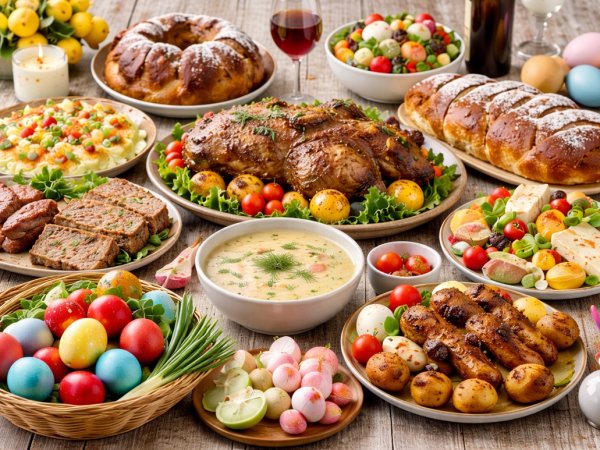
The celebration of Easter is, without a doubt, one of the most important moments of the year for Romanians, and Bucharest is no exception. Although traditional meals are dominated by classic dishes such as drob, lamb roast, and red eggs, Bucharest residents have begun, in recent years, to diversify the holiday menu, adding various dishes, international influences, and modern reinterpretations of traditional recipes. This change reflects not only the evolution of culinary tastes, but also the urban lifestyle, access to diverse ingredients, and the desire to turn the Easter meal into a complete experience, not just a traditional obligation. Thus, alongside the well-known dishes, Bucharest residents’ tables include a surprisingly wide variety of foods.
Varied appetizers and modern reinterpretations
In many homes in Bucharest, the Easter meal begins with a rich selection of appetizers, which go far beyond the traditional drob. Among the most popular are cold platters, inspired by European cuisine, which include fine cheeses, quality cold cuts, and fresh vegetables.
A dish increasingly encountered is the reinterpreted beef salad, sometimes made with turkey meat or even in vegetarian versions. Also, ham rolls filled with cream cheese or Russian salad are indispensable on festive tables.
Bucharest residents also choose dishes such as smoked salmon tartines, liver or cheese mousses, as well as various types of bruschetta. These are preferred especially by those who want a lighter and more refined start to the meal.
Alternative soups and broths
Although lamb soup is a traditional dish associated with Easter, many Bucharest residents choose lighter or more accessible alternatives. Among these is Greek-style chicken soup, appreciated for its balanced taste and creamy texture.
Vegetable soup or cream soups have also become popular options, especially among those who prefer a lighter diet. Cream soups of mushrooms, pumpkin, or broccoli are frequently found on modern Easter tables.
This diversification reflects a clear trend: Bucharest residents no longer feel the need to strictly follow tradition, but adapt their menu according to preferences and lifestyle.
Main dishes different from lamb
Even though lamb remains a symbol of Easter, not everyone prefers it. For this reason, many families in Bucharest choose alternatives such as pork, chicken, or turkey meat.
Roast pork in the oven, often served with potatoes and salad, is one of the most common options. Also, stuffed chicken or chicken prepared in various sauces is a popular choice, especially in families with children.
Fish dishes, such as baked salmon or grilled trout, are increasingly appreciated, especially by those who want a lighter and healthier option. In some cases, Bucharest residents even choose dishes inspired by international cuisines, such as lasagna or steaks, turning the Easter meal into a truly eclectic feast.
Modern side dishes and salads
Alongside the main dishes, side dishes and salads play an essential role in the Easter menu. In Bucharest, these are increasingly varied and creative.
Potatoes remain a classic choice, whether baked, mashed, or gratinated. However, fresh salads have gained a lot of ground, being preferred for the balance they bring to the meal.
Simple green salad, arugula salad with parmesan, or salads with avocado and cherry tomatoes are just a few examples. Also, eggplant salad or zacusca may appear on the table, especially in combination with cold dishes.
This combination between traditional and modern reflects the desire of Bucharest residents to have balanced and varied meals.
Desserts beyond cozonac and pască
When it comes to dessert, cozonac and pască are indispensable, but Bucharest residents do not stop here. In many homes, the Easter meal also includes other sweets, often inspired by international cuisine.
Cheesecake, tiramisu, or fruit cakes are extremely popular, especially among younger people. These offer a lighter or more sophisticated alternative to traditional desserts.
Also, homemade cakes, such as brownies or layered cream cakes, continue to be appreciated. In some families, desserts are even ordered from pastry shops, reflecting the modern lifestyle and lack of time.
International influences and urban lifestyle
An important aspect of Easter meals in Bucharest is the increasingly strong influence of international cuisines. Access to restaurants, exotic ingredients, and recipes from around the world has significantly changed the way Bucharest residents build their menu.
Thus, it is not unusual to find sushi, Mediterranean dishes, or even foods inspired by Asian cuisine on the Easter table. These choices reflect openness to diversity and the desire to experiment.
At the same time, the urban lifestyle strongly influences culinary habits. Many Bucharest residents prefer to order food or to combine home-cooked dishes with purchased products.
A combination between tradition and modernity
In the end, the Easter meal in Bucharest is an interesting combination between tradition and modernity. Although classic dishes remain important, they are complemented by a variety of foods that reflect contemporary tastes and lifestyle.
This diversity makes each Easter meal unique, adapted to the preferences of each family. Bucharest residents do not give up traditions, but reinterpret them, adding new elements and transforming the holiday into a complex culinary experience.
Thus, beyond drob, lamb, and red eggs, Easter meals in the capital become true feasts, in which each dish tells a story about the evolution of tastes and about the way tradition adapts to the present.
We also recommend: Red Easter Eggs, 200 Years Ago: How Bucharest Women Dyed Them Before the Dye Packet Existed