How New Year’s Eve was celebrated in interwar Bucharest: elegance, luxury, and refinement
By Bucharest Team
- Articles
- 30 DEC 25
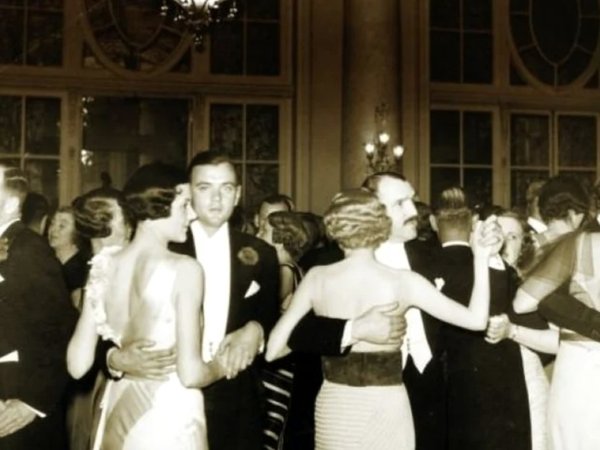
New Year’s Eve in interwar Bucharest was far more than a simple party marking the transition between years. It was a true social event, defined by etiquette, splendor, and meticulous attention to detail. For the political, economic, and cultural elite of the time, the night of December 31 became a stage on which social status, refined taste, and belonging to the Capital’s select circles were proudly displayed.
Bucharest of the 1920s and 1930s constantly looked toward Europe’s great capitals, and New Year’s traditions reflected this orientation. Lavish balls, sophisticated menus, and carefully chosen outfits turned the start of the new year into a demonstration of urban elegance that was difficult to match.
Aristocratic balls and high society in Bucharest
The most spectacular New Year’s Eve celebrations took place in palaces and aristocratic residences or in official spaces connected to the Royal Court. These balls were organized with great care, and invitations were strictly selective. High-ranking officers, politicians, diplomats, and renowned artists formed the core of the guest list, and attending such an event was a clear sign of social recognition.
After the First World War, the tradition of grand balls was preserved but also diversified. Alongside official events, prominent aristocratic families hosted their own New Year’s receptions, discreetly competing in refinement, décor, and menus inspired by Western European gastronomy. Everything had to align with fashion trends from Paris or Vienna, from floral arrangements to the music chosen for dancing.
Luxury restaurants and the nightlife of the young elite
Young members of high society and artists often preferred to celebrate in luxury restaurants and cafés located in the heart of the Capital. Well-known venues along the main boulevards became major attractions on New Year’s Eve, with tables reserved months in advance. The atmosphere was lively, and parties frequently continued until dawn.
New Year’s Eve was also an important social occasion. Live music, dancing, and animated conversations transformed these places into true centers of social life. For the young generation of interwar Bucharest, the night between years was the perfect moment for self-expression, flirtation, and strengthening social connections.
Sophisticated menus and the ritual of the New Year’s dinner
The New Year’s dinner played a central role in the celebration. Festivities usually began late in the evening, with the main meal served after midnight. Menus were rich and refined, inspired by French and European cuisine, featuring elaborate dishes and carefully selected desserts.
Caviar, fine roe, sophisticated roasts, and French champagne were staples on elite tables. Dining became a ritual of conversation and tasting, setting the tone for the dancing and artistic moments that followed.
New Year’s fashion and the code of elegance
Outfits for New Year’s Eve were prepared months in advance. Women ordered elegant gowns made from precious fabrics and inspired by Parisian fashion, while men wore tailored suits following Western styles. Jewelry, hairstyles, and accessories were carefully selected, as every detail contributed to the final appearance.
Magazines of the era regularly published advice on colors, cuts, and materials, and following these recommendations was considered essential for integration into high society. New Year’s Eve thus became a true showcase of elegance and good taste.
Urban traditions and the contrast between social worlds
Beyond the splendor of aristocratic salons, interwar Bucharest preserved popular New Year’s traditions. Children went from house to house with traditional blessings, while the city streets came alive on the first day of the year. Parks became gathering places for young people, and ice skating and winter walks were part of the festive atmosphere.
These customs coexisted with elite luxury, creating a striking contrast between aristocratic life and everyday urban existence. New Year’s Eve was therefore experienced differently depending on social status, yet it remained a defining celebration of the era.
You might be also interested in:
What you can do in Bucharest at Christmas and New Year’s Eve
How the Bucharest metro operates on Christmas and New Year’s Eve
A world of refinement, preserved in history
New Year’s Eve in interwar Bucharest remains today an image of a world shaped by elegance, strict social rules, and a desire to impress through style and culture. Although accessible only to a segment of society, this way of welcoming the new year contributed to shaping the Capital’s image as a cosmopolitan city closely connected to Europe.
Through chronicles, accounts, and memories, that world continues to fascinate, standing as a lasting reference of urban refinement and an elegance that once defined Bucharest.