Great Romanian Dynasties. Caradja: rulers, nobles, princes, and “The Angel of Ploiești” who saved 3,000 orphans
- Articles
- 18 MAR 26
The Caradja family, also known under the variants Karadja or Caragea, represents one of the oldest and most influential noble dynasties of Greco-Byzantine origin. Throughout the centuries, its members held important positions within the Ottoman Empire and played a decisive role in the political, cultural, and social life of the Romanian Principalities. The family settled in the last decades of the 16th century in the Romanian Lands, and over time it produced two rulers of Wallachia, numerous boyars, diplomats, and academicians. Today, descendants live in Germany and Romania, and in the country there are also Caragea families who have no connection with the princely Caradja line.
Branches and Caradja rulers in the Romanian Lands
The Byzantine origin of the family is closely linked to Constantinople, where the first members appear in documents as early as the 11th century. Argyros Karadja (or Karatzas) is mentioned in 1091 in the famous “Alexiad” by Anna Comnena as being sent to Dalmatia by Emperor Alexios I, later being appointed duke of Durrës and duke of Philippopolis.
In 1453, Eustache Karadja appears as an intermediary between Patriarch Gennadius II Scholarius and Sultan Mehmed II, marking the family’s role during the fall of Constantinople. In the Romanian lands, the first historically recorded member is Constantin Caradja, appointed grand postelnic in Moldavia in 1591, a moment from which the genealogical tree of the family can be completely reconstructed.
His grandson, Jean Karadja, founded the Slobozia Monastery in Wallachia and the Saint Sava Church in Iași in 1625, leaving a lasting mark on the religious heritage of the Principalities. The family developed into two main branches, both descending from Constantin Caradja’s grandson, also named Constantin (Kostas), grand postelnic in Moldavia in 1653.
From his son Dumitrașco Caradja came the branch that produced the ruler of Wallachia, Nicolae Caradja (1782–1783). The male line of this branch ended in Greece in 1918 with Prince Georges Caradja. The existing branch today descends from the second son of Dumitrașco, Georges Caradja.
Modern generations of the Caradja family
The firstborn of this line, Scarlat (Charles) Caradja (1695–1780), was appointed by sultanic decree on September 26, 1774, honorary prince of Moldavia and Wallachia. His brother, Jean Caradja (1700–1793), held the patriarchal seat of Constantinople between 1761 and 1763 under the name Joannicios III, being one of the few family members to exercise high religious authority.
Later, Scarlat’s grandson, Ioan Gheorghe Caradja, ruler of Wallachia between 1812 and 1818, continued the family tradition in the politics of the principalities, leaving two sons, Georges and Constantin, from whom the current family living in Germany descends.
Prince Aristide Caradja (1861–1955)
Aristide Caradja was a naturalist and entomologist of international renown, honorary member of the Romanian Academy. He combined his passion for science with dedication to study and research, publishing important works on the insects of Europe and Asia. He married Matilda Grecianu, daughter of university professor Alexandru Grecianu, and had five children, including Prince Constantin Nicolas Caradja and Princess Marguerite Caradja. Through his work, Aristide established an intellectual and scientific tradition that continues in the Caradja family to this day.
Prince Constantin Jean Lars Anthony Démetre Karadja (1889–1950)
Constantin Karadja was a diplomat, jurist, historian, and bibliophile, serving as general consul of Romania in Berlin. Married to Princess Marcelle Hélène Caradja, daughter of Prince Aristide, he represented the Caradja family in diplomacy and international relations. He is known for his legal activity and his valuable collections of historical documents and rare books, contributing to the consolidation of the Caradja family’s image in the European context.
Nicolae Caradja (1782–1783)
Nicolae Caradja was grand dragoman of the Ottoman Empire and ruler of Wallachia. Although his reign was short, it had a significant impact on local administration through reforms and policies aimed at consolidating princely power and managing relations with the Sublime Porte. Nicolae Caradja was a prominent figure of the era, integrating the family’s diplomatic tradition with the responsibilities of local governance.
Ioan Gheorghe Caradja (1812–1818)
The grandson of Scarlat, Ioan Gheorghe Caradja, held the position of grand dragoman of the Ottoman Empire and ruler of Wallachia. His reign was characterized by efforts to balance the interests of the Ottoman Empire with the needs of the local population. Ioan Gheorghe left two sons, Georges and Constantin, who continued the current branch of the family. His political influence and negotiation skills made the Caradja name recognized throughout the region.
Ralou Caradja (†1870)
Ralou Caradja stood out through her philanthropic and cultural activity. She was the patron of the arts and founder of the first Bucharest theater, Cișmeaua Roșie. Her contributions supported the development of Romanian theater and promoted artistic education among the local elite. Ralou is an example of the social engagement of aristocratic women in the 19th century.
Ecaterina Caradja (1893–1993)
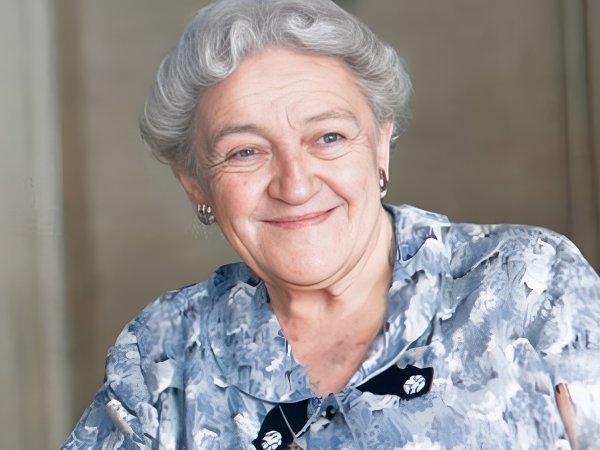
Princess Ecaterina Caradja, born Ecaterina Olimpia Krețulescu, is known as “The Angel of Ploiești” for her charitable work and heroism during both World Wars. At the age of three, she was abducted by her father and taken to an orphanage in England but was later brought back to Romania.
She studied in France and Great Britain, founded and ran orphanages for thousands of children, cared for wounded soldiers, and saved lives during the Ploiești bombings. Her efforts were internationally recognized, including with the George Washington Honor Medal in the United States. Ecaterina Caradja died at 100 years old, leaving a legacy of altruism and social dedication.
The Legacy of the Caradja Family
The Caradja family was a powerful noble dynasty that influenced the politics, diplomacy, culture, and science of Romania and the Ottoman Empire. From the rulers of Wallachia and Moldavia to academicians, diplomats, and philanthropists, family members demonstrated courage, social engagement, and responsibility toward the community.
Ecaterina Caradja remains a symbol of altruism and dedication, and the family’s legacy continues to be respected both in Romania and internationally. Current descendants continue the princely tradition, cultural and social involvement, preserving the moral values that have defined the Caradja family throughout the centuries.
We also recommend: Great Romanian dynasties: the Rosetti family, from Byzantine boyars to the revolutionary who dethroned Cuza