Bucharest in 2026: urban trends you need to know
- Articles
- 19 FEB 26
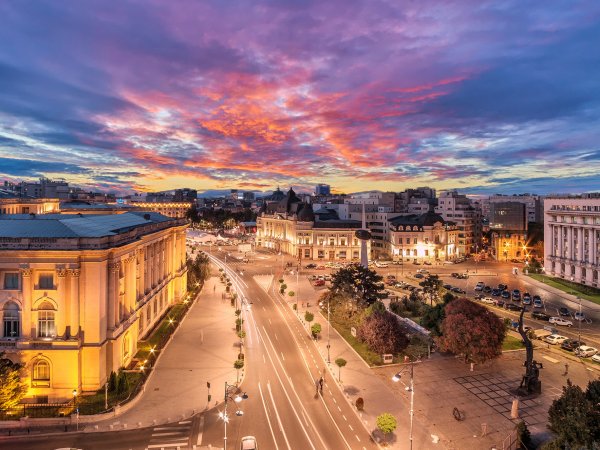
Bucharest continues to be a constantly evolving city, and 2026 brings new trends that shape the way residents and visitors interact with the Capital. From visible changes in neighborhoods and infrastructure, to the adoption of technology and new urban habits, Bucharest is constantly redefining itself. In this article, we explore the main urban trends that will mark life in the city in the coming years and their impact on its inhabitants.
Neighborhoods reinventing themselves
After 2020, several neighborhoods in Bucharest have undergone significant transformations. Central and peripheral areas, such as Pipera, Floreasca, or the University area, have seen an explosion of cafes, restaurants, and cultural spaces. Construction sites have become omnipresent, signaling residential and infrastructure development, while rental prices have increased considerably. This dynamic is turning old neighborhoods into hubs for young professionals, freelancers, and entrepreneurs, while peripheral areas are becoming increasingly attractive for families looking for more spacious and affordable housing.
At the same time, historical neighborhoods such as Cotroceni or Dorobanți try to preserve their architectural identity, yet changes are felt even here. Luxury cafes and cultural spaces appear in renovated buildings, and residents notice increased traffic and a shift in the social profile. These transformations are not only visual but also influence the lifestyle of Bucharest residents, encouraging them to spend more time in public areas and participate in urban events.
Urban mobility and electric scooters
Another major trend that continues to influence the city is modern urban mobility, especially the use of electric scooters. These have become a popular means of transport, offering a fast and flexible alternative to congested traffic. However, their use raises challenges: scooters block sidewalks, create conflicts with pedestrians, and pose safety issues. European cities have implemented diverse solutions, from dedicated lanes and strict parking rules to rental systems that limit speed and usage zones.
In Bucharest, authorities are trying to regulate scooter usage through temporary lanes and awareness campaigns. Some sharing companies are investing in infrastructure, while local communities propose innovative solutions for integrating scooters into the city. This trend shows how technology and alternative transport can shape modern urbanism, as well as how important collaboration between authorities, companies, and citizens is.
The brunch revolution and gastronomic culture
Weekend mornings have become an urban ritual in Bucharest, and brunch represents an essential part of this revolution. Cafes and restaurants in areas like Floreasca, Dorobanți, or Piața Victoriei have transformed brunch into a cultural phenomenon, with elaborate menus, Instagrammable experiences, and themed events. The brunch trend reflects not only consumer tastes and habits but also a change in how Bucharest residents spend their free time: socializing, relaxing, and appreciating urban aesthetics.
Moreover, brunch has become an economic driver for emerging areas, attracting tourists and investors. Restaurants combine traditional cuisine with international influences, creating menus that satisfy both locals and visitors. This trend demonstrates how gastronomic culture can redefine urban identity and transform mornings into a point of attraction for the city.
Technology and urban apps
Digital life in Bucharest is becoming increasingly integrated into the urban experience. Apps for transportation, parking, deliveries, or civic reporting save time and reduce residents’ stress. Applications for parking payment or reporting infrastructure issues provide direct interaction with the administration, while delivery and food delivery services change how Bucharest residents eat and consume products.
These apps not only make daily activities more efficient but also contribute to reducing congestion by promoting alternative mobility and smart city solutions. By 2026, expectations are that these platforms will be more integrated, combining transportation, parking, and traffic information in a centralized way, bringing the city closer to the concept of a smart city.
Public spaces and community life
Another important trend is the revitalization of public spaces. Squares, parks, and pedestrian streets are becoming centers for socialization and cultural events. Street redesign projects, the creation of bike lanes, and new green spaces contribute to improving quality of life and creating a sense of community. Areas with cafes, bistros, and independent bookstores become meeting points for young people, artists, and professionals, making Bucharest a friendlier and more attractive city.
Cultural events, local fairs, and urban art festivals complement this trend. Bucharest seeks to become not only a functional city but also a vibrant space that inspires creativity and civic participation. These transformations show how infrastructure and culture can work together to redefine urban identity.
Conclusion
Bucharest in 2026 is shaping up as a dynamic city where architectural transformations, alternative mobility, gastronomic culture, and digital life intersect to create a modern urban space. Neighborhoods are reinventing themselves, electric scooters and digital apps are shaping how we move and organize our time, while brunches and cultural events define residents’ social identity.
These trends not only change Bucharest but also the way its inhabitants experience the city, making it better adapted to the needs of a modern, connected urban lifestyle. Bucharest thus becomes not only the capital of Romania but also an urban laboratory for innovation, mobility, and culture, where every resident can discover and influence the way the city evolves.
We also recommend: How to quickly find a family doctor in Bucharest, when you are new to the city