Bucharest by bicycle in 2026: routes, dangers and useful tips
- Articles
- 22 MAY 26
Bucharest has changed considerably in recent years, and the bicycle has become for many residents of the Capital more than just a simple means of relaxation. In 2026, more and more Bucharest residents choose to travel on two wheels in order to avoid suffocating traffic, the crowding in public transport and the high costs associated with traveling by personal car. Nevertheless, cycling through Bucharest remains a serious challenge, especially because of incomplete infrastructure, aggressive traffic and the lack of road education. The Capital, however, also offers important advantages for cyclists. There are increasingly popular routes, green areas ideal for rides and active cycling communities that promote a healthier and more efficient urban lifestyle. At the same time, the experience of riding a bicycle through Bucharest requires permanent attention, adaptation and knowledge of essential rules for safety. In 2026, the bicycle is no longer viewed only as a weekend hobby, but as a real alternative for urban mobility. For this reason, it is important that any person who chooses to pedal through the Capital knows both the recommended routes and the main risks of Bucharest traffic.
How cycling evolved in Bucharest
A decade ago, cyclists in Bucharest were a relatively rare presence in traffic. The lack of dedicated lanes and the chaotic infrastructure made traveling extremely difficult. Meanwhile, interest in alternative mobility has constantly increased, and more and more people have started using the bicycle for daily trips.
The pandemic of previous years also accelerated this phenomenon. Many residents of the Capital began avoiding crowded public transport and discovered the advantages of traveling by bicycle. Later, local administrations invested in extending bicycle lanes and developing safer urban routes, even if the pace of modernization remained slow compared with major European capitals.
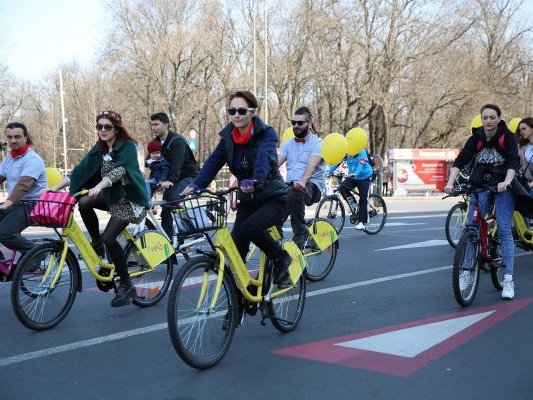
Today, in many central areas of the city a clear increase in the number of cyclists can be observed. Students, corporate employees, couriers and even entire families choose to travel on two wheels, especially during the warm months.
However, Bucharest remains a complicated city for urban cycling. The infrastructure is fragmented, many bicycle lanes are poorly placed or insufficiently maintained, and car traffic continues to be the main obstacle to cyclists’ safety.
The most popular routes for cyclists
One of the most used routes for cyclists is the one crossing the center of the Capital, from the Piața Victoriei area toward Piața Unirii and further to Tineretului. The route is preferred because it connects numerous office areas, universities and important commercial spaces.
Also, the Herăstrău – Kiseleff – Aviatorilor area has become extremely popular among those who use the bicycle both for recreation and for daily commuting. The boulevards are wider, and the traffic, although intense, allows in certain time intervals a smoother ride.
Herăstrău Park remains one of the most appreciated places for weekend rides. There, cyclists can travel in a safer environment, without the constant pressure of car traffic. During weekends, the area is frequented by families, athletes and organized groups of cyclists.
Another highly sought-after route is the one on Splaiul Independenței, especially the portions that allow fast travel between the western side and the center of the city. Nevertheless, this route can become dangerous during rush hours because of the high speed of cars and crowded intersections.
For those who prefer long and more relaxing routes, the Lake Morii area has become one of the most attractive destinations for urban cycling. The wide space and reduced traffic offer better conditions for rides or training sessions.
The major infrastructure problems
One of the biggest problems for cyclists in Bucharest remains the incomplete infrastructure. Many bicycle lanes end abruptly, are blocked by parked cars or are placed directly on narrow sidewalks, where frequent conflicts with pedestrians appear.
In certain areas, the lane markings have almost disappeared, and cyclists are forced to improvise their route permanently. There are also situations in which bicycle lanes cross bus stations or areas heavily used by pedestrians, creating an additional risk of accidents.
Intersections represent another critical point. In many cases, cyclists do not benefit from dedicated traffic lights or clear crossing spaces. Because of this, those traveling by bicycle must be extremely careful about the sudden direction changes made by cars.
The infrastructure problem is also worsened by the lack of continuity. Even routes considered good include difficult or dangerous sections that can quickly discourage less experienced cyclists.
Aggressive traffic and drivers’ behavior
One of the greatest challenges for cyclists in Bucharest remains the aggressive behavior of some drivers. Although road legislation offers clear rights to those traveling by bicycle, in practice these are not always respected.
Very close overtaking, sudden lane changes and excessive speed are problems frequently encountered in the Capital. Many cyclists say they feel vulnerable especially on the major boulevards, where the speed difference between bicycles and cars is very large.
There are also situations in which drivers completely block bicycle lanes through illegal parking. In the absence of constant inspections and severe sanctions, these practices continue to be very widespread.
On the other hand, in recent years a slow change in mentality can also be observed. More and more drivers understand that the bicycle is part of urban traffic and that respecting the lateral distance or cyclists’ priority contributes to reducing accidents.
The hidden dangers for cyclists
Beyond traffic, cyclists in Bucharest also face other less obvious dangers. Potholes, tram rails and poorly positioned manhole covers can cause serious accidents.
Tram rails are considered among the most dangerous obstacles for cyclists. If the bicycle wheel enters the rail at the wrong angle, a fall is almost inevitable. For this reason, crossing the rails must always be done carefully and at an angle as close as possible to 90 degrees.
Also, wet roads become extremely dangerous for bicycles, especially in areas where the asphalt is damaged. Wet leaves, sand or oil stains can drastically reduce grip.
Another important risk is represented by parked car doors. Numerous cyclists have been injured after drivers opened the door without checking first. The phenomenon is so frequent that it even has a name in cycling communities: “dooring”.
Traveling at night also brings additional challenges. The poor lighting of some streets and reduced visibility increase the risk of accidents, especially for cyclists who do not use lights and reflective elements.
What every cyclist should have in 2026
In a city like Bucharest, the correct equipment can make the difference between a safe trip and a risky one. The protective helmet remains one of the most important elements, even if there are still many cyclists who choose not to wear one.
Front and rear lights are mandatory for evening and nighttime rides. In addition, reflective vests and fluorescent elements considerably increase visibility in traffic.
Many cyclists also use video cameras mounted on the helmet or handlebars, especially for legal protection in case of accidents. In recent years, such devices have become increasingly popular in urban traffic.
Another important investment is the anti-theft lock. Bicycle thefts continue to represent a serious problem in Bucharest, and expensive models are often targeted especially in crowded areas.
Useful tips for riding through Bucharest
For those who use the bicycle daily in the Capital, experience and traffic anticipation are essential. One of the most important rules is avoiding the blind spots of large vehicles, especially buses and trucks.
Also, cyclists must clearly signal direction changes and avoid traveling very close to parked cars. Maintaining a safety distance can prevent accidents caused by opening car doors.
Route planning is also very important. Sometimes, a slightly longer but quieter route is much safer than a crowded boulevard.
Many experienced cyclists recommend avoiding rush hours, especially for beginners. Bucharest traffic becomes much more aggressive in the morning and evening, when drivers are in a hurry and less attentive.
In addition, cyclists must be prepared for rapid weather changes. During summer, high temperatures can turn long rides into exhausting experiences, while sudden storms can create dangerous situations in traffic.
The Bucharest of the future and urban mobility
Despite all the problems, the bicycle has an increasingly important role in the future of urban mobility in Bucharest. The city is slowly beginning to understand that infrastructure dedicated to cyclists is not a whim, but a necessity for reducing pollution and congestion.
Major European capitals have already demonstrated that developing alternative transport can radically transform the quality of urban life. Bucharest is still at the beginning of this process, yet the growing interest in cycling shows that change is possible.
More and more people choose the bicycle not only for economy or speed, but also for the freedom it offers. In a city blocked daily by traffic, the bicycle can sometimes become the most efficient means of transportation.
For this transformation to continue, real investments are needed in infrastructure, road education and mutual respect among traffic participants. Without these elements, cycling in Bucharest will remain a difficult and sometimes dangerous experience.
Even so, in 2026, the Capital is already much friendlier to cyclists than it was a few years ago. And for many residents of Bucharest, two wheels have become the symbol of a faster, healthier and freer urban life.