35,000 Flatirons and a £49,600 Corkscrew: One Man's Museum, in Bucharest
- Articles
- 05 AUG 26
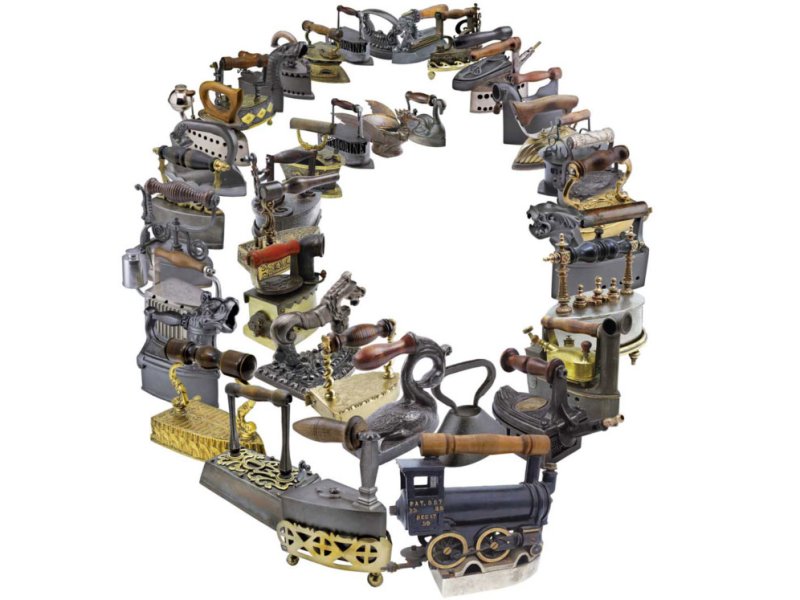
On Strada Parfumului, a short walk from Piața Unirii, a multi-level building holds one of the strangest collections in Bucharest. This isn't art or national history, it's objects most people would throw away without a second thought: flatirons, corkscrews, metal stands for hot cookware. The Museum of Romanian Records has turned them into the basis of seven Guinness World Records.
It all comes from one person. Architect Ion Chirescu spent decades putting together more than 100 separate collections, now spread across ten rooms. These aren't scattered donations gathered by a state museum, they're the systematic obsession of a single collector, taken to a scale you rarely see in a private space.
The star collections
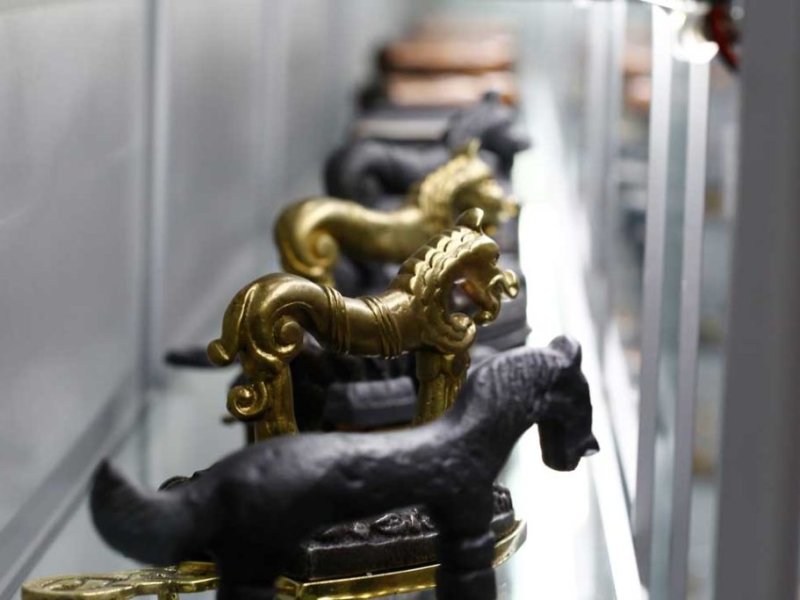
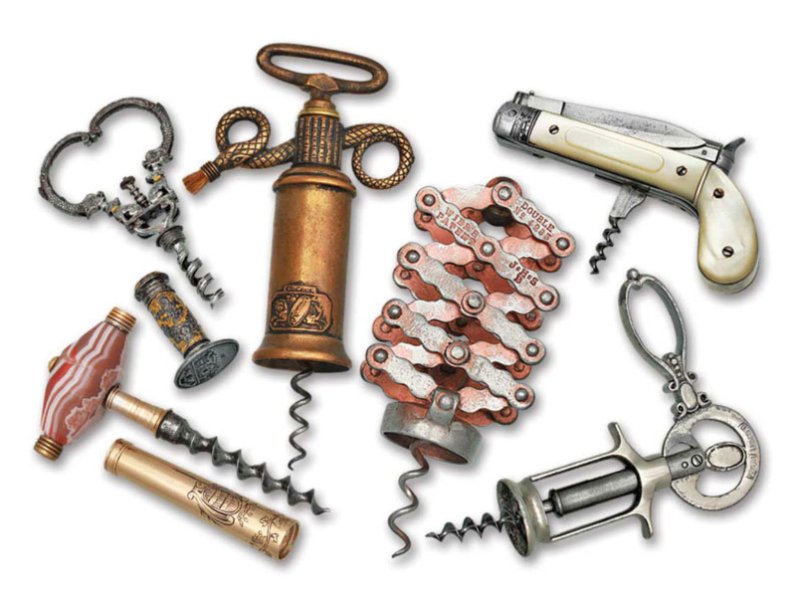
Flatirons remain the main attraction: over 35,000 pieces, certified by Guinness World Records in August 2016 as the largest collection of its kind in the world. Next to them, the corkscrew collection tops 30,000 pieces, including examples from the early 18th century, when cork stoppers became standard for bottles. Some corkscrews weren't made for wine at all, but for small perfume or medicine bottles, which is why certain models look more like jewelry than tools.
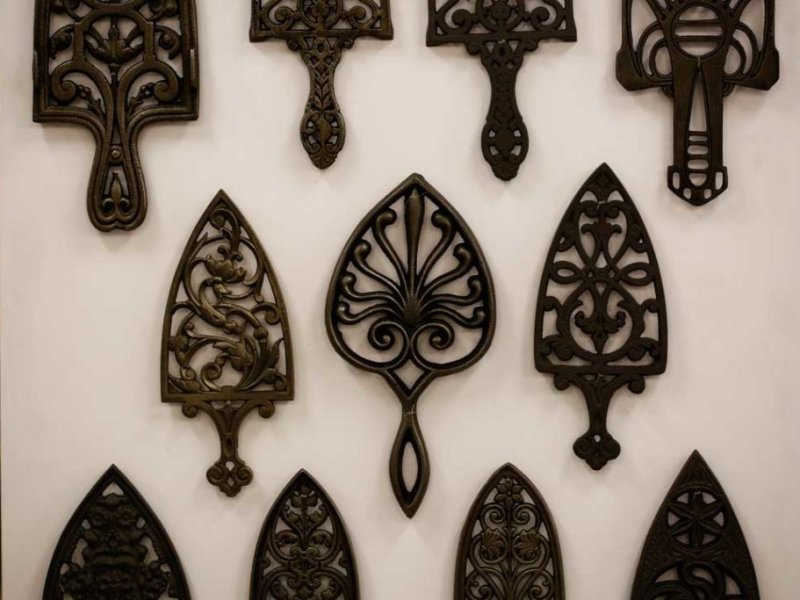
The trivet collection, the metal stands used under flatirons or hot cookware, holds over 15,000 pieces and earned its own Guinness record in April 2016. Add to that a stamp collection of more than 50,000 stamps and postmarks, a vintage camera collection with 5,000 pieces, and a themed collection dedicated to edelweiss flowers, officially validated in 2017 and since expanded past 5,000 pieces. The remaining rooms hold old telephones, typewriters, sewing machines, gramophones, and musical instruments, each category its own small collection.
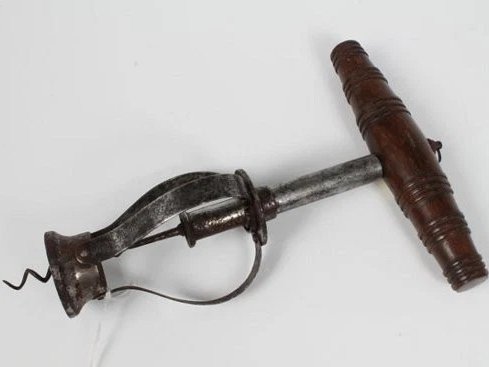
Among the more than 30,000 corkscrews sits the most expensive one in the world. It's a Victorian spring corkscrew, patented in 1839, made by J. Ovenston of Great Titchfield Street in London. The handle carries an unusual inscription: the piece was cast from iron taken from a pile that had stood for 656 years in the foundations of the old London Bridge, demolished in 1831. Chirescu bought it by phone bid at a Reeman Dansie auction in Colchester on 26 November 2014, for £40,000, a figure that rose to £49,600 with the buyer's premium, over a hundred times the auction house's original estimate of £600.
How to visit
The museum is open daily, 11:00 AM to 5:00 PM, with last entry at 4:00 PM. Individual visits or small groups can walk in without booking ahead, but groups over 10 people need a reservation at least 48 hours in advance, at office@museumofromanianrecords.com. The same rule applies for guided tours: 50 lei per section for a tour in Romanian, 65 lei in English.
Tickets are sold by section: 30 lei per person for one section, 70 lei for access to all of them. Children, people with disabilities, retirees, and students pay 20 and 50 lei respectively. Anyone planning to see the whole museum, not just the flatirons, should budget their time, one section alone takes at least 30 minutes, and the full route easily runs to three hours.
Address: Strada Parfumului 25, Sector 3 Website: muzeulrecordurilorromanesti.ro