10 Niche Museums in Bucharest for People Tired of Predictable Itineraries
By Eddie Țone
- Articles
- 21 JUL 26
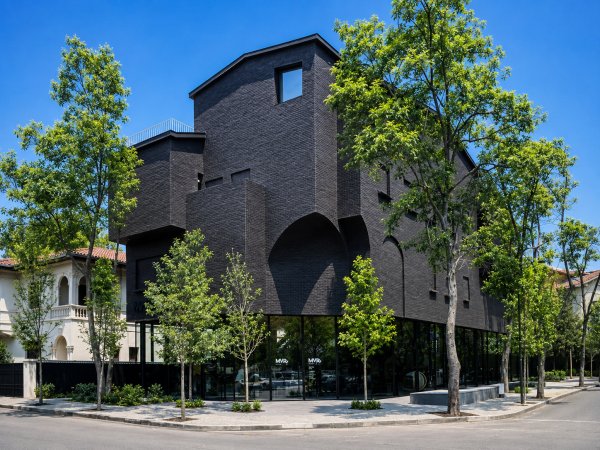
Sometimes, Bucharest hides its most interesting things in places you may pass twenty times without ever looking up. In an apartment on Lipscani Street, you can step into the living room of a bourgeois family from a century ago; in a house near Carol Park, you enter the world of a couple of artists and diplomats; while on Parfumului Street, tens of thousands of irons await you. It is useful to know that the city practises cultural surprise with an almost bureaucratic degree of discretion.
Major museums have familiar routes, famous masterpieces and groups moving in an orderly fashion between two audio-guide explanations. Niche museums work differently. They often begin with a personal passion, a collector’s home or the ambition to preserve a narrow and very specific fragment of history. That is precisely where their charm lies. Instead of a solemn panorama, you receive a concentrated story—sometimes eccentric, sometimes intimate, but always memorable.
The selection below brings together ten such places. Ten niche museums in Bucharest. Some are public institutions, others are private projects, while several require advance booking or a careful check of their opening hours before setting out. Cultural Bucharest appreciates spontaneity, although its doors sometimes prefer a phone call made in advance.
The Museum of Romanian Records, an Empire of Objects Other People Would Have Thrown Away
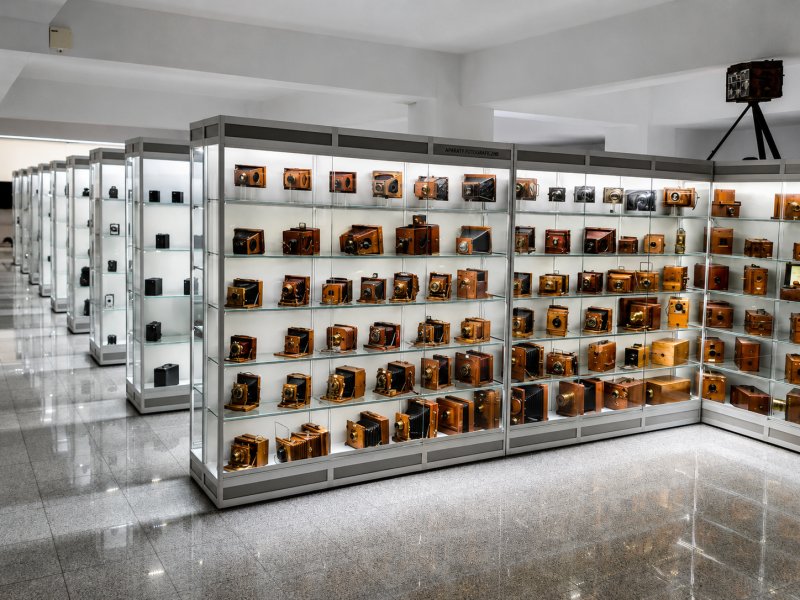
There are collectors who keep a few coins in a drawer, and then there is Ion Chirescu, founder of the Museum of Romanian Records, for whom the verb “to collect” has acquired industrial proportions. The museum on Parfumului Street grew from the desire to bring together and present to the public collections assembled over several decades, some of which have been officially recognised by Guinness World Records. Today, the institution speaks of more than one hundred collections displayed across ten rooms, as well as seven Guinness World Records. The figures are slightly intimidating, particularly when visitors discover that a corkscrew can have a biography, an origin and a precise place within the global history of opening bottles.
The star attractions are the collections of irons, corkscrews and trivets—the elegant term for the stands on which hot objects were placed. They are joined by cameras, Romanian philatelic items and numerous smaller thematic collections. The objects trace the evolution of household technology, design and decorative taste, from rudimentary tools to pieces crafted like miniature sculptures. A complete tour takes several hours, and the museum’s five floors require a certain amount of stamina. After the first floor, the idea that all irons look alike begins to seem like a youthful naïveté.
Address: 25 Parfumului Street, District 3
Website: muzeulrecordurilorromanesti.ro
Opening hours: Visiting hours and the availability of individual sections should be checked on the “Info and Prices” page; the museum also organises special periods and events with their own schedules.
Little Paris Museum, a Visit to the Living Room of Bucharest’s Bourgeoisie
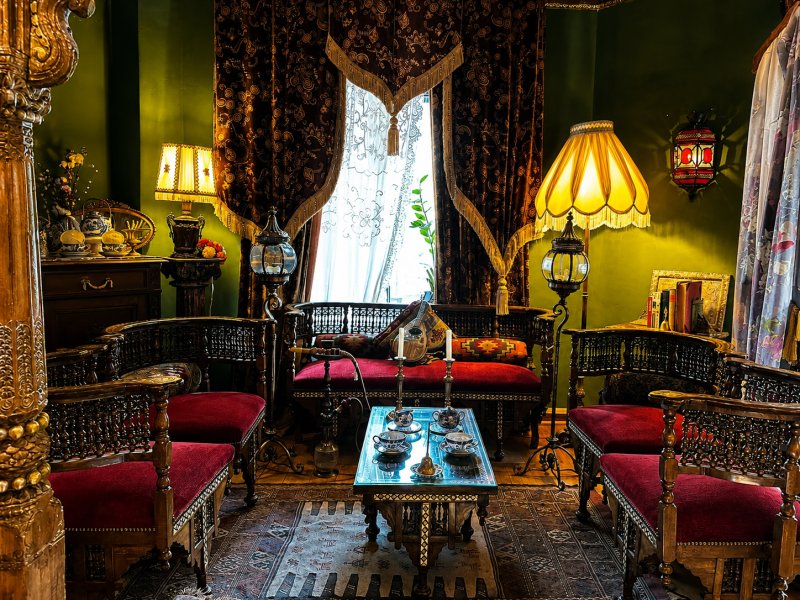
The Little Paris Museum occupies an apartment in a historic building on Lipscani Street and recreates the atmosphere of an urban home from the turn of the twentieth century. The private project developed around a passion for old Bucharest, period photography and the local mixture of French fashion, Western furniture and Oriental details. The nickname “Little Paris” was frequently used for the modernised Romanian capital of the period, and the museum translates the idea into a domestic setting. Instead of boulevards and palaces, the leading roles are played by the drawing room, the teapot, the hat and the mirror in front of which someone probably arranged his moustache with diplomatic solemnity.
Visitors will find furniture, costumes, accessories, photographs, porcelain and decorative objects arranged within a coherent setting designed to create atmosphere and encourage interaction. The experience frequently includes stories about fashion, social rituals and the everyday life of Bucharest’s bourgeoisie. Photography plays a central role, including photo sessions in period costume and techniques inspired by early portraiture. The result feels like a visit to a house whose owners have just stepped out to Capșa and are expected back before tea.
Address: 41 Lipscani Street
Online: The official Facebook page of the Little Paris Museum
Opening hours: Wednesday–Sunday, 11:00 a.m.–7:00 p.m.; closed on Mondays and Tuesdays, according to the national museum database, updated on 30 June 2026.
Football Museum Bucharest, Eight Floors Dedicated to the Religion of the Ball
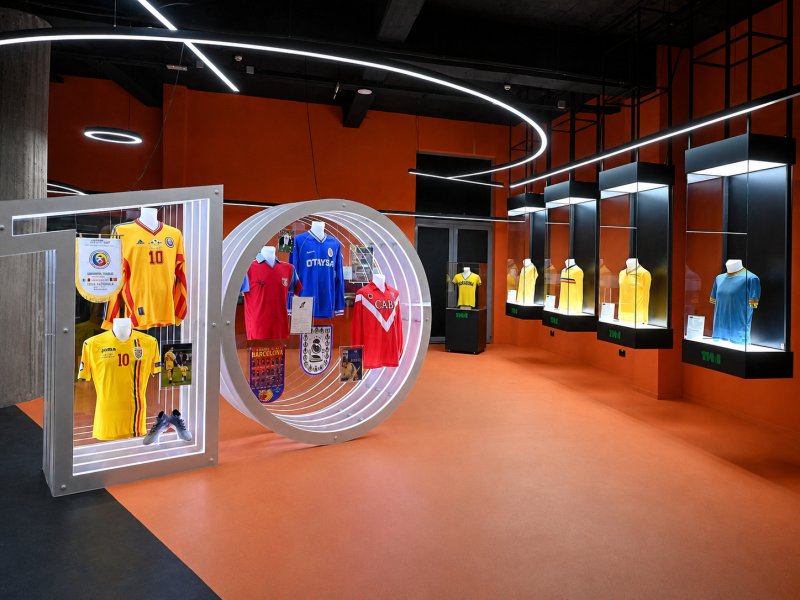
Football Museum Bucharest opened in the Old Town, inside a restored historic building covering approximately 1,500 square metres. The institution presents itself as the first football museum in Eastern Europe, a somewhat more precise description than simply calling it “Romania’s first private football museum.” From the outset, the project aimed to combine sporting heritage with digital installations, simulators and event spaces. Football thus receives the kind of treatment usually reserved for painting and archaeology—a natural development in a country where an argument about a handball in 1994 can last longer than a parliamentary debate.
The collection includes shirts worn or signed by famous players, footballs, boots, tickets, match programmes, trophies and objects connected with Romanian and international football history. Among the pieces promoted by the museum and featured in its presentation materials are shirts associated with Gheorghe Hagi, Gheorghe Popescu, Diego Maradona and Ronaldo Nazário. Interactive areas complement the traditional exhibits, allowing visitors to try simulators and multimedia installations. The museum occupies eight floors, meaning that the phrase “climbing the table” acquires an architectural meaning as well.
Address: 24 Gabroveni Street
Website: footballmuseum.ro
Opening hours: Monday, Tuesday, Thursday and Friday, 9:00 a.m.–7:00 p.m.; Saturday and Sunday, 11:00 a.m.–7:00 p.m.; closed on Wednesdays. Last admission at 6:30 p.m.
The Museum of Communism – Somewhere in Communism, History Served with Nechezol
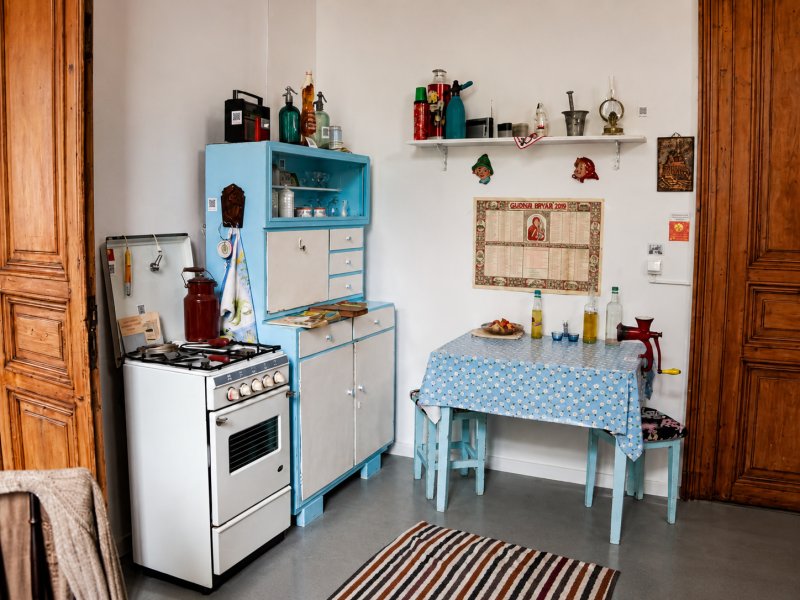
“Somewhere in Communism” was established in the Old Town as a private museum dedicated to everyday life in communist Romania. Its focus is on the experiences of ordinary people, domestic interiors, objects used in daily life and the way propaganda found its way into the living room. This approach represents an important direction within a museum landscape where communism is often presented through political documents, repression and major historical events. Here, history enters through the kitchen, the television set, the school uniform and the shop shelf whose products required patience, connections and an excellent knowledge of neighbourhood rumours.
The exhibition recreates domestic spaces and brings together household objects, books, magazines, posters, clothing, audio equipment and propaganda materials. Many exhibits can be touched and used, and visitors may browse through books, try on clothes or listen to music on a record player or cassette recorder. The café continues the story through products inspired by the period, including nechezol, the coffee substitute that once demonstrated how economic imagination could begin with coffee and travel an impressively long way from it. The experience works equally well for those who recognise the objects instantly and for generations who regard the rotary telephone as a mechanical creature from a retro film.
Address: 6 Covaci Street
Website: undevaincomunism.com
Opening hours: Daily, 10:00 a.m.–7:00 p.m.; last admission is announced for 6:30 p.m.
The Museum of Ages, Three Centuries of Private Life in an Aristocratic Residence
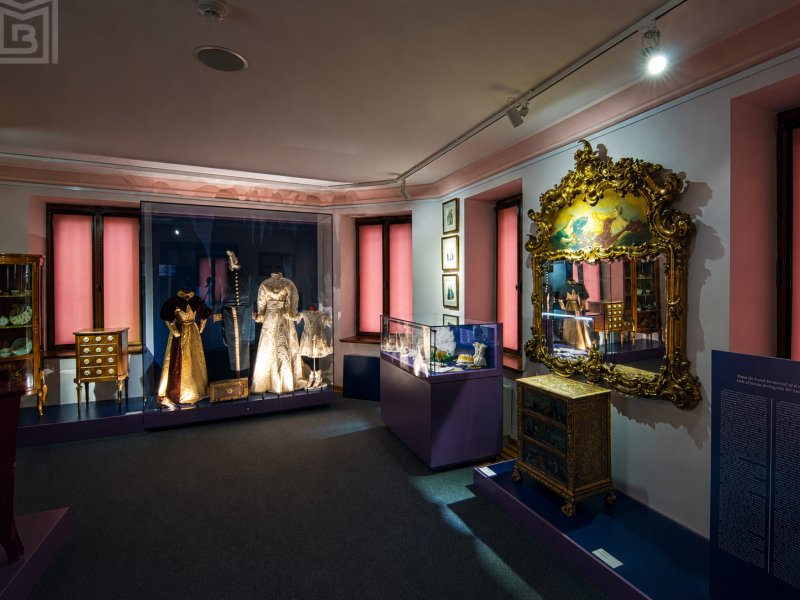
The Filipescu-Cesianu House is one of the few aristocratic residences from Bucharest’s Belle Époque to have survived in a form close to its late nineteenth-century design. The current building developed from an older house constructed between 1846 and 1850, which was inhabited by members of the Filipescu and Ghica families.
In 1892, its owner, Constantin Cesianu, expanded the residence with the help of architect Leonida Negrescu, who designed the eclectic façades, imperial roof and arrangement that gave the building its present appearance. Following an extensive restoration, the house returned to public use, and in December 2016 the Bucharest Municipality Museum opened the “Museum of Ages – From Childhood to Old Age” here, Romania’s first exhibition project conceived around urban anthropology. In other words, history steps down from the textbook and enters the bedroom, the kitchen and the drawer in which every generation has kept its important belongings.
The exhibition follows nearly three hundred years of family life in the Romanian urban environment, using Bucharest as its primary case study. The ground floor evokes eighteenth- and nineteenth-century interiors, while the upper floor guides visitors through the transformations of the twentieth century, from childhood and adolescence to adulthood and old age. Furniture, clothing, toys, hygiene products, medical instruments, photographs and domestic details reveal how relationships between parents and children, education, fashion, health and the idea of comfort have changed.
An ordinary day in 1780 is thus placed alongside one from the interwar or communist period, and the differences sometimes reveal more than grand historical chronologies. The museum also has a generous garden that has been transformed into a space for sculpture, workshops and cultural events—a welcome rarity on Calea Victoriei, where every vacant square metre seems to have already acquired a property-development plan.
Address: 151 Calea Victoriei, at the corner with Sevastopol Street
Website: muzeulbucurestiului.ro/casa-filipescu-cesianu.html
Opening hours: Wednesday–Sunday, 10:00 a.m.–6:00 p.m.; last admission at 5:30 p.m.; closed on Mondays and Tuesdays.
MARe, the Contemporary Museum in the Neighbourhood of Well-Behaved Villas
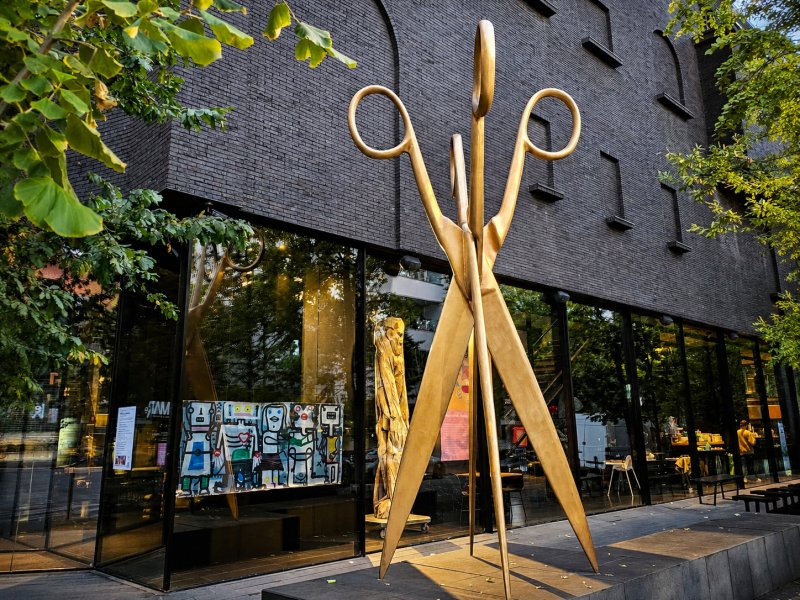
The MARe Foundation was established in February 2015, and the Museum of Recent Art opened its doors in 2018. The private project was created to offer a permanent space for Romanian art produced in recent decades, particularly work dating from the 1960s onwards. The building on Primăverii Boulevard was designed specifically as a museum and replaced an interwar villa that had been extensively altered during the communist period. The current architecture, designed by Youssef Tohme, preserves and reinterprets fragments of the previous building’s memory. In a neighbourhood known for high fences and discreet residences, the museum appears as a restrained, mineral and slightly intriguing object.
MARe presents a permanent collection of modern and contemporary Romanian art, alongside temporary exhibitions, curatorial projects, conferences, guided tours and workshops for children. Its selections bring artists formed during different historical periods into dialogue and explore changes in artistic language, ideology and style over recent decades. The exhibition programme changes periodically, making it a museum worth revisiting. Some works explain themselves quickly; others require several minutes of attention and a small amount of internal negotiation. Recent art retains this particular pleasure of civilised disagreement.
Address: 15 Primăverii Boulevard
Website: mare.ro
Opening hours: Wednesday–Monday, 11:00 a.m.–7:00 p.m.; closed on Tuesdays.
The National Museum of Maps and Old Books, the World Between Four Frames
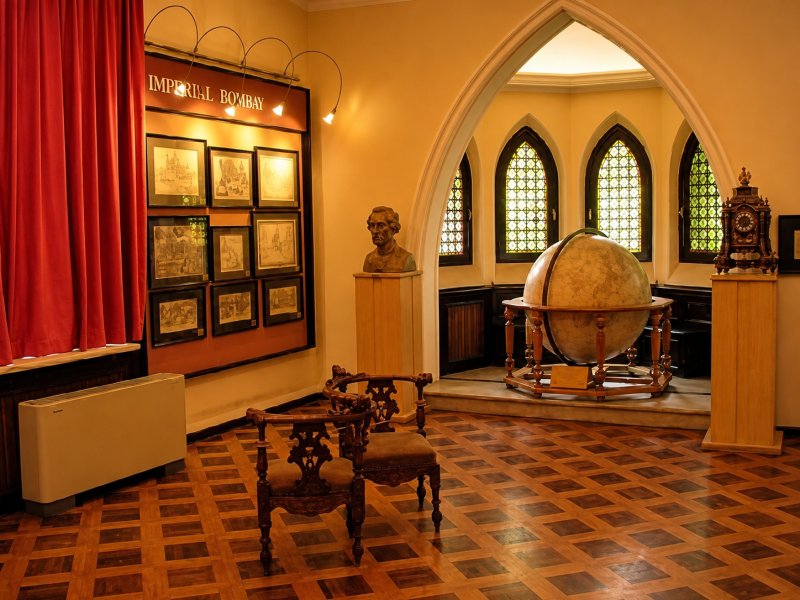
The Museum of Maps was founded in 2003 following the donation of an important cartographic collection by Daniela and Adrian Năstase. Its holdings were subsequently expanded through acquisitions and further donations, eventually exceeding one thousand works. The institution occupies a villa built in the 1920s, with Gothic-inspired arches, Mediterranean loggias and an atmosphere that would make any map of Venice feel comfortably at home. The building on Londra Street is listed as a Category B historic monument, while its painted ceilings, decorated with astronomical and mythological scenes, actively participate in the spectacle.
The collection includes maps of the Romanian provinces, Europe and the world, along with atlases, urban plans, globes, engravings and astronomical representations dating from the sixteenth to the twentieth centuries. Old maps convey geographical information, but they reveal just as much about the political ambitions, knowledge and errors of their respective eras. Seas fill with ships and creatures, borders acquire a certain elasticity, and cities are drawn with a confidence that reality rewarded selectively. The museum remains pleasantly manageable in size, while its décor makes it one of Bucharest’s most photogenic cultural spaces.
Address: 39 Londra Street
Website: muzeulhartilor.ro
Opening hours: Wednesday–Sunday, 10:00 a.m.–6:00 p.m.; admission is free on the last Wednesday of each month, according to the museum’s ticketing information.
The Ligia and Pompiliu Macovei Collection, the Home of a Couple with a Good Eye
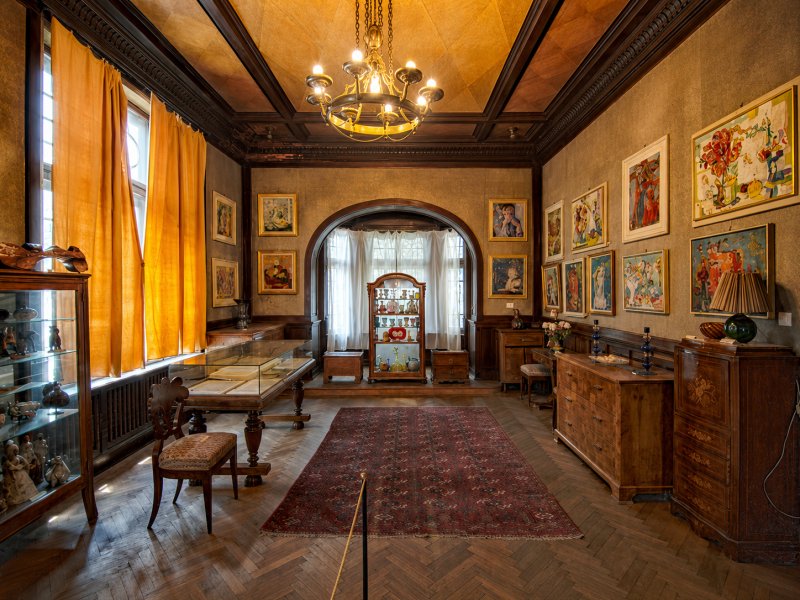
Ligia Macovei was a painter, graphic artist and illustrator, known in part for her illustrations inspired by the poetry of Mihai Eminescu and Tudor Arghezi. Her husband, Pompiliu Macovei, was an architect, diplomat and cultural figure who held important positions in cultural administration and diplomacy throughout his career. The couple lived in the house on 11 Iunie Street and gradually transformed it into a world made up of art, furniture and objects collected during their travels. The collection and the building became part of the heritage of the Municipality of Bucharest in 1992 through a donation made by Ligia Macovei, and the space now operates as a branch of the Bucharest Municipality Museum.
The visit retains the character of an inhabited home. Works by Ligia Macovei appear alongside Romanian and European paintings, graphic art, furniture, ceramics, glassware, textiles and decorative objects originating from different cultural areas. The collection reflects the taste of a couple who regarded art as part of everyday life, placed between the bookcase, table and armchair rather than isolated on the white wall of a gallery. From room to room, the objects enter into conversation with one another, giving visitors the slightly indiscreet and highly enjoyable sensation of leafing through the owners’ visual diary.
Address: 36–38, 11 Iunie Street
Website: muzeulbucurestiului.ro – Ligia and Pompiliu Macovei Collection
Opening hours: Wednesday–Sunday, 10:00 a.m.–6:00 p.m.; last admission at 5:30 p.m.; closed on Mondays and Tuesdays.
The George Severeanu Museum, the Study of a Doctor Afflicted by Antiquities Fever
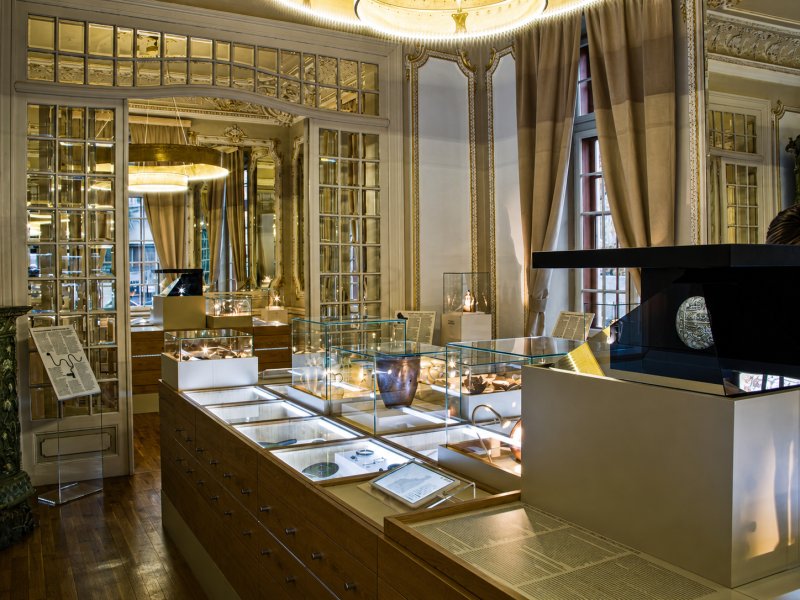
George Severeanu, a radiologist and one of the important figures of Romanian medicine in the early twentieth century, was also a passionate collector of numismatics and archaeology. Together with his wife, Maria, he assembled coins, ancient objects and pieces of decorative art in the family home. The collection was donated to the municipality in 1939, and the museum entered the public circuit in the following years. Built during the second half of the nineteenth century, the house retains the atmosphere of an elegant residence in which display cases filled with coins appear to have gradually conquered the territory previously occupied by household objects.
The exhibition “In the Footsteps of the Past: The Maria and Dr George Severeanu Collection” brings together Greek, Roman, Byzantine and medieval coins, ancient vessels, figurines, jewellery, bronzes, gemstones and Roman glassware. Some of the objects were acquired directly by Severeanu, while others reflect his connections with the archaeologists and collectors of his time. The current display explores both the value of the pieces and the biography of those who assembled them. The result offers a lesson about the ancient world and, in parallel, a portrait of the interwar collector—an urban species blessed with patience, resources and extremely capacious cupboards.
Address: 26 Henri Coandă Street
Website: muzeulbucurestiului.ro – George Severeanu Museum
Opening hours: Wednesday–Sunday, 10:00 a.m.–6:00 p.m.; last admission at 5:30 p.m.; closed on Mondays and Tuesdays.
Melik House – Theodor Pallady Museum, French Art in a Merchant’s Home
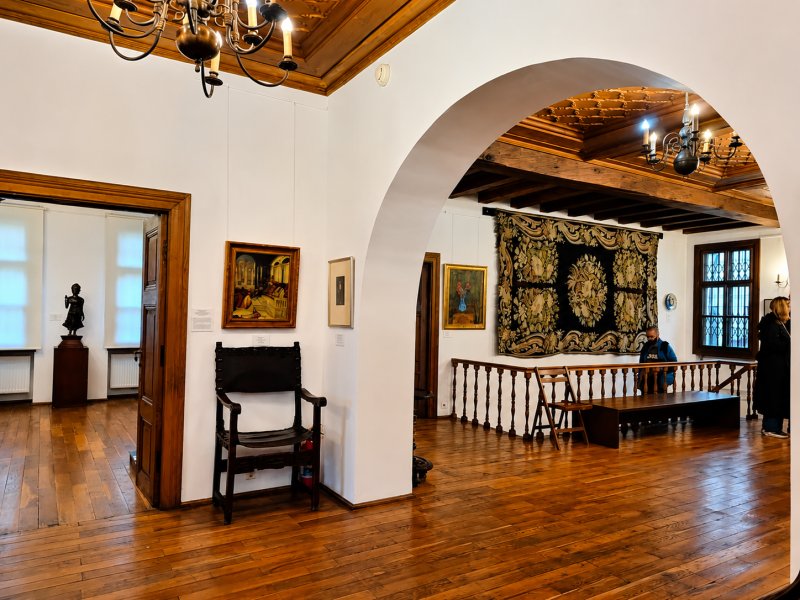
Melik House was built during the second half of the eighteenth century and is one of the oldest surviving merchant residences in Bucharest. Its name comes from the Melik family, who purchased the house in the nineteenth century. Iacob Melik, an architect and participant in the 1848 Revolution, lived here with his wife, Ana. The building later underwent restoration and became a museum in 1971, when it received the collection of Serafina and Gheorghe Răut. Gheorghe Răut had been a friend and patron of Theodor Pallady in Paris, and his home on Place Dauphine housed the painter’s studio for a period. Bucharest, Paris and a house with an exterior staircase thus find themselves in the same story, something the city executes surprisingly well.
The collection includes paintings and more than 800 drawings and engravings by Pallady, alongside European paintings from the sixteenth to the nineteenth centuries, sculpture, Oriental ceramics, textiles and furniture. Following an extensive process of renovation, reorganisation and refurbishment, the museum reopened on 24 April 2026 with a new exhibition format. The charm of the visit comes from the encounter between Pallady’s refined art and the domestic architecture of old Bucharest. The veranda, staircase, garden and rooms create a setting that demands a slower pace. Hurry remains outside the gate, probably confused by the cobblestones.
Address: 22 Spătarului Street
Website: mnar.arts.ro – Theodor Pallady Museum
Opening hours: Wednesday–Sunday, 10:00 a.m.–6:00 p.m.; opening hours and any temporary changes should be checked on the website of the National Museum of Art of Romania before visiting.
Bucharest can also be understood through its more peripheral collections—places built around an obsession, a family or a very precisely defined chapter of history. A corkscrew, a map, a football shirt or a Roman coin acquires significance when placed in the right context. And that is precisely what niche museums do: they take apparently minor objects and restore their story, dignity and, occasionally, their own display case with carefully calculated lighting.
Museum opening hours may change during public holidays, refurbishment work or special events. Checking the official website on the day of your visit can save you a journey to a locked door and the inevitable conversation with the security guard from the neighbouring building.
You may also like: The National Military Museum “King Ferdinand I”, a century of history and honor. The story of one of the most beautiful museums in Bucharest