10 Native Bucharest Footballers Who Thrilled the Stands and Became Legends
By Eddie Țone
- Articles
- 14 FEB 26
If you take a map of Bucharest and lay it over the history of Romanian football, you notice a strange coincidence. The capital’s scorching asphalt, the dusty lots between apartment blocks, and that specific “it’ll do somehow” attitude produced a distinct species of footballer. We’re talking about the player with dazzling technique, charming arrogance, and often a streak of self-destructive talent that feels lifted straight out of a Russian novel. These were the men who turned the stadium into theater and their personal lives into film scripts. You look at the list below and realize that football once functioned as an extension of urban bohemia, not merely an industry of dry statistics.
Let’s review 10 native Bucharest footballers who thrilled the stands and entered legend.
Titus Ozon – The Big-Nosed Genius Who Nutmegged the Secret Police
(1927 – 1996)
Position: Forward
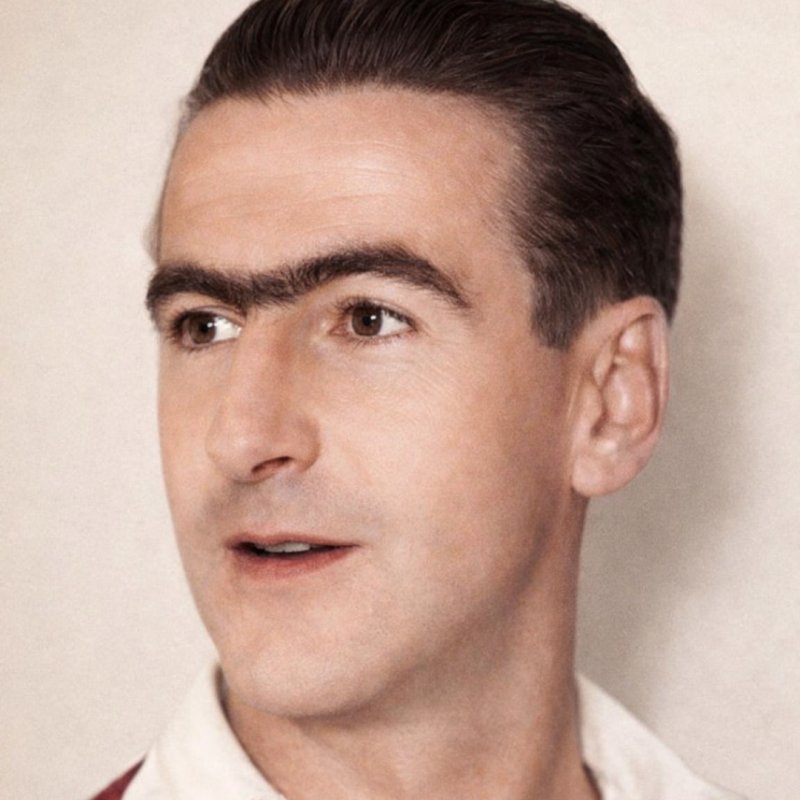
Titus Ozon is the prototype of the neighborhood footballer elevated to an art form. With a career split between Unirea Tricolor, Dinamo, Progresul, and Rapid, Ozon earned 22 caps for Romania and scored 7 goals, winning two league titles. But the numbers pale beside his reputation.
Titus had a special relationship with authority, which he ignored entirely. Legend says that during a friendly against Dinamo Moscow, Ozon had the audacity to nutmeg a Soviet opponent right under the horrified eyes of Communist officials shocked by such “disrespect” toward the Big Brother in the East. He also loved humiliating opponents by stopping the ball on the goal line before scoring, just to watch their despair.
The juiciest story places him in direct conflict with a Securitate general. After being caught selling ivory buttons, which were contraband at the time, or perhaps simply because of his sharp tongue, Ozon was “exiled” to the Danube Delta to cut reeds. When he returned to Bucharest, he did so in style, refusing to play according to the Party’s tune. He was a dandy of his era, dressed impeccably, always ready with a retort, a Cyrano de Bergerac of the pitch who would rather lose a match than miss a good joke.
Gheorghe Constantin – The Professor and the Curse of the Armband
(1932–2010)
Position: Forward
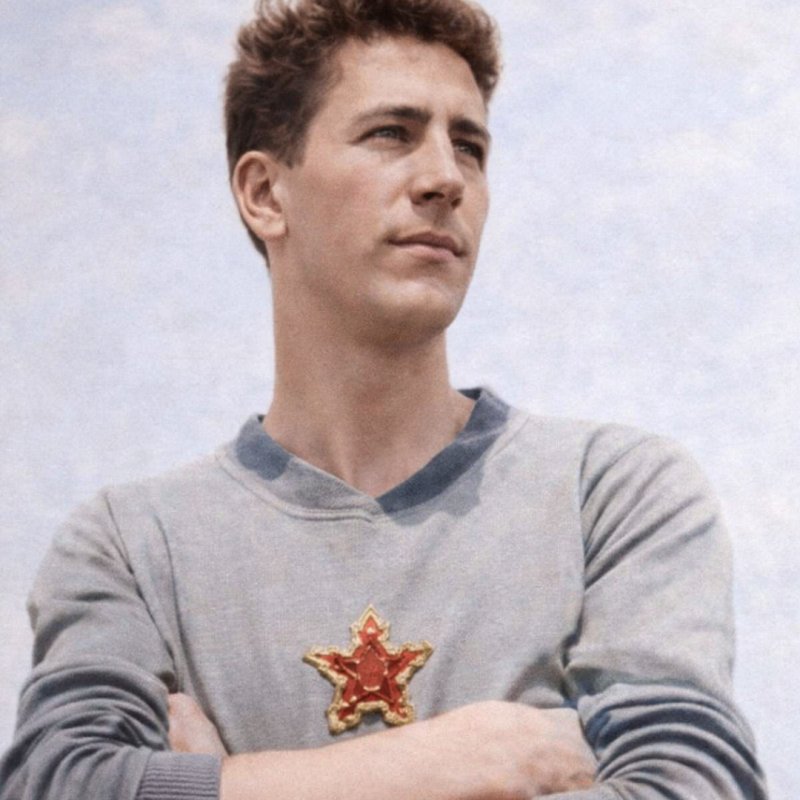
A symbol of Steaua Bucharest, then known as CCA, for whom he played 264 matches and scored 148 goals, Gheorghe Constantin was the clear mind of a turbulent generation. With 39 caps and 12 goals for Romania, plus four league titles and four Romanian Cups, he embodied elegance. Watching him play explained why he was called “The Professor.” He passed with surgical precision and read the game like others read a newspaper, skipping straight to the essence.
Yet his career carries a heavy shadow. The turning point came at the 1964 Tokyo Olympics. In the quarterfinal against Hungary, with the score at 0–1, he missed a crucial penalty. Romania was eliminated 2–0. That moment followed him all his life. After the Olympics, he was not called up to the national team for three years. Known as a deeply sensitive man, he internalized his missed chances.
His late-career transfer to Kayserispor in Turkey carried its own flavor. At the height of communism, foreign transfers were rare and tightly controlled. Players abroad lived under subtle surveillance. Constantin handled everything with exemplary discretion, returned home, and preserved his impeccable image.
Dan Coe – The Minister of Defense from Giulești
(1941 – 1981)
Position: Defender
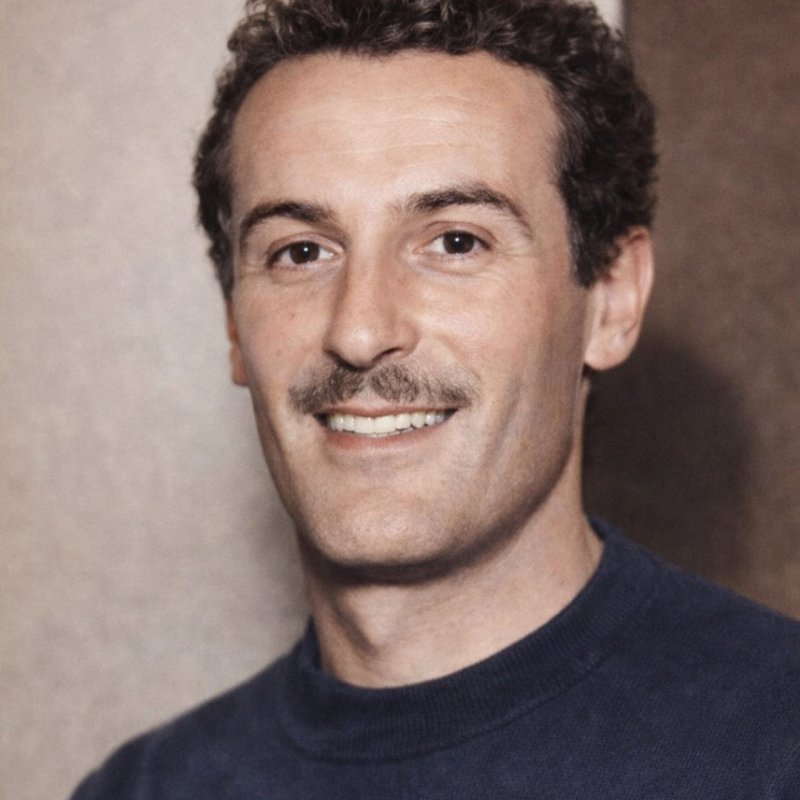
If Rapid were a religion, Dan Coe would be one of its rebellious archangels. A central defender of remarkable elegance and strength, he captained Rapid to its first league title in 1967. With 41 caps for Romania, he played with his chest out, both literally and metaphorically.
His life reads like a political thriller. He was known for despising the communist regime and never hiding it. After retiring, he sought political asylum in Germany, an act of supreme defiance.
His early death remains one of Romanian football’s unsolved mysteries. Found hanged in his Cologne apartment in 1981, the official verdict was suicide. Close friends and his wife always supported the theory of assassination ordered by the Securitate as punishment for his criticism of Ceaușescu on Radio Free Europe.
Dan Coe paid the ultimate price for speaking his mind, transforming from great footballer into a martyr of exile. Rapid fans still chant in his memory.
Ion Pîrcălab – “The Arrow of the Carpathians”
(b. 1941)
Position: Attacking midfielder
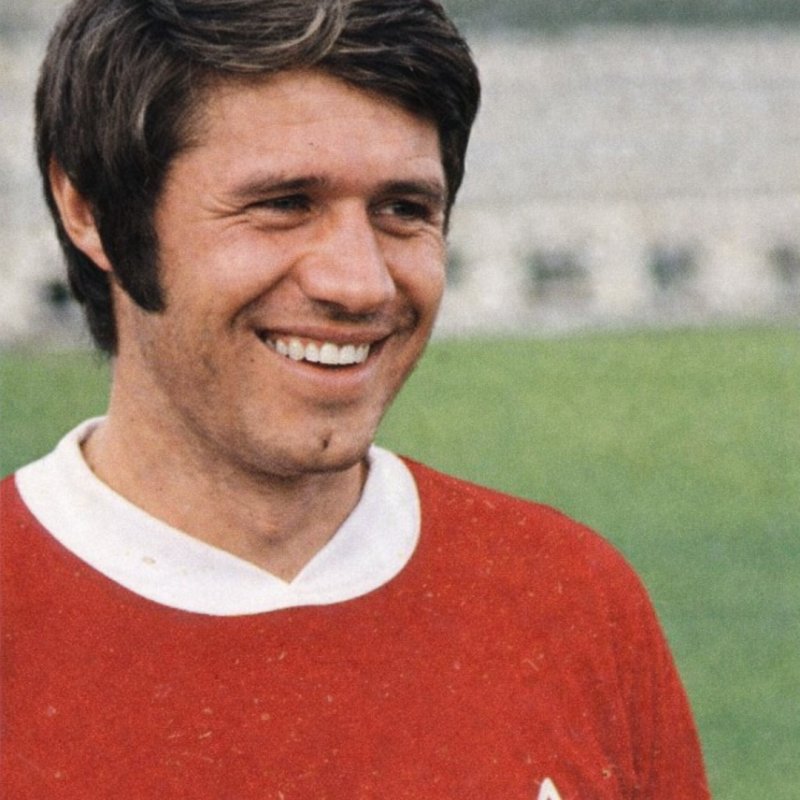
Dinamo’s right winger Ion Pîrcălab possessed such speed that the ball seemed stationary. He won four consecutive titles with Dinamo and earned 38 caps for Romania. He also holds a remarkable distinction: one of the few Romanian players allowed to play in the West during communism, signing with Nîmes Olympique in France.
After brilliant performances in European competitions, including against Inter Milan where Helenio Herrera admired his style, the authorities approved his sale for a considerable sum. In France, he became a local star. Returning home, he carried the cosmopolitan air of the West, fashionable clothes and vinyl records, viewed by teammates like a man who had glimpsed freedom and returned to tell the tale.
He was also linked to a controversial criminal episode in the early 1980s, serving two years in prison between 1982 and 1984.
Mircea Lucescu – The Intellectual in Shorts
(b. 1945)
Position: Winger
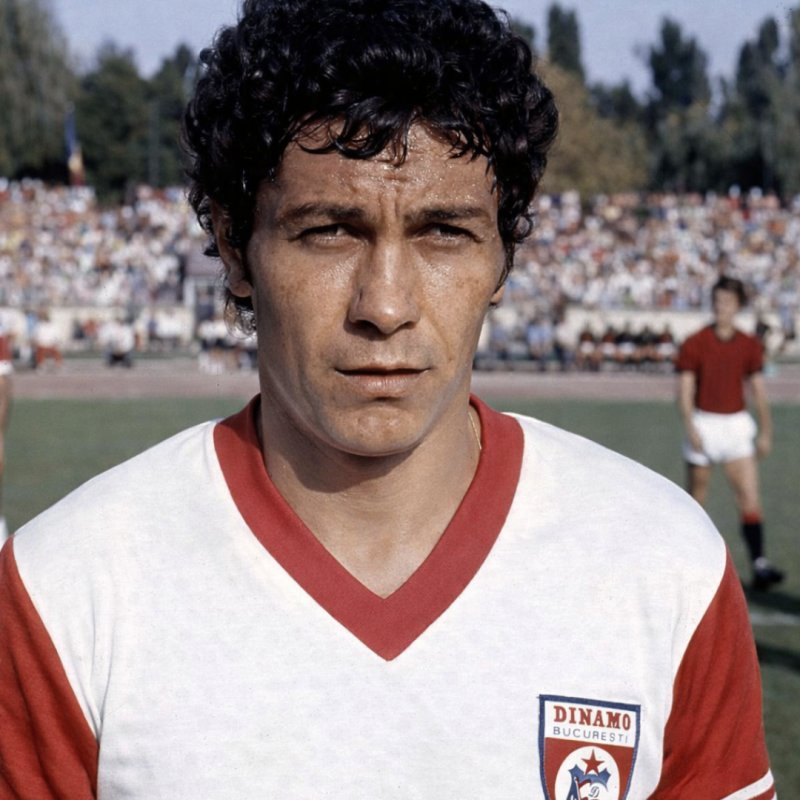
Before becoming “Il Luce,” Mircea Lucescu was a key player for Dinamo and captain of Romania at the 1970 World Cup in Guadalajara. He earned 70 caps and won seven league titles as a player.
What set him apart was his obsession with culture. While teammates played cards during training camps, Lucescu visited museums and studied foreign languages. He sometimes endured teasing, but earned long-term respect.
His iconic moment remains the shirt exchange with Pelé at the 1970 World Cup. Even as a player, he filled notebooks with tactical sketches, foreshadowing his managerial genius.
Florea Dumitrache – The Brilliant “Pug”
(1948–2007)
Position: Forward
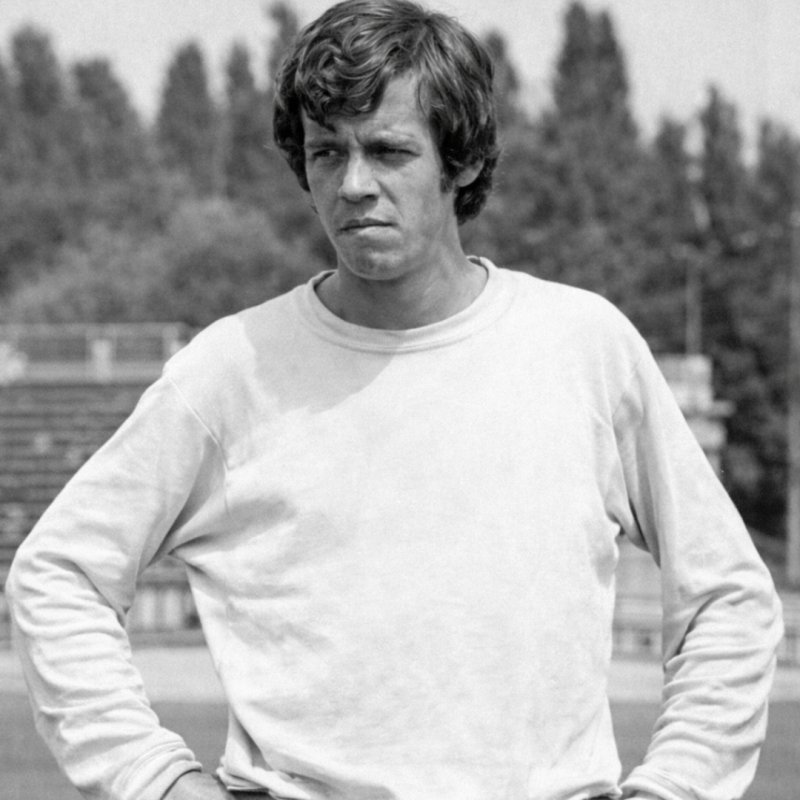
If talent caused pain, Florea Dumitrache would have suffered constantly. The Dinamo striker, with 31 caps and 15 goals for Romania, was perhaps Bucharest’s most gifted forward. Nicknamed “The Pug,” he defied gravity with his leap.
After scoring twice at the 1970 World Cup, Juventus reportedly offered a colossal fee plus 16 modern buses. The regime refused. Later, a Spanish transfer was also blocked. Disillusioned, Dumitrache left Dinamo for Jiul Petroșani.
The missed Juventus transfer weighed heavily. Though he later claimed no regret, he drifted toward excess. Despite efforts by Mircea Lucescu to guide him, his lifestyle shortened both career and life. His dribbles against England at Guadalajara remain legendary.
Liță Dumitru – The Emperor Who Annoyed Pelé
(b. 1950)
Position: Central midfielder
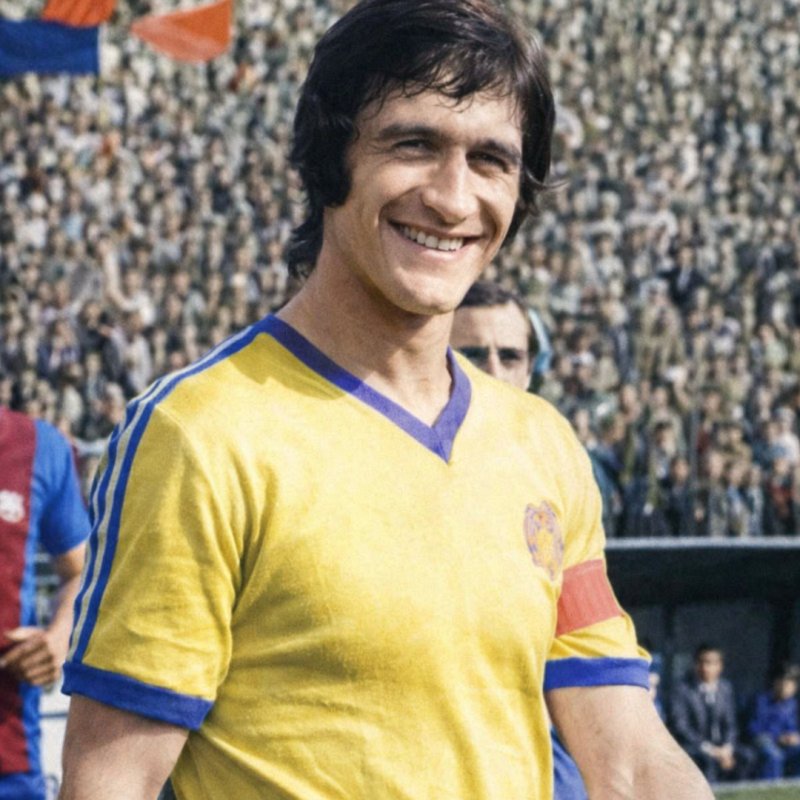
Ion “Liță” Dumitru was the complete midfielder. Rapid by origin, Steaua by adoption, he earned 50 caps and was named Romanian Footballer of the Year in 1973 and 1975.
At the 1970 World Cup, Pelé allegedly declared that Romania’s number 11 was the best European player ever to mark him. Dumitru remained a difficult character in the dressing room. After a controversial transfer to Poli Timișoara, he became divisive.
In 1988, he fled to Germany, worked hard to support his family, and overcame serious health problems. He remains remembered as the man who could deliver a 40-meter assist and then scold you for not controlling it properly.
Anghel Iordănescu – The Dribbler Who Became a General
(b. 1950)
Position: Midfielder
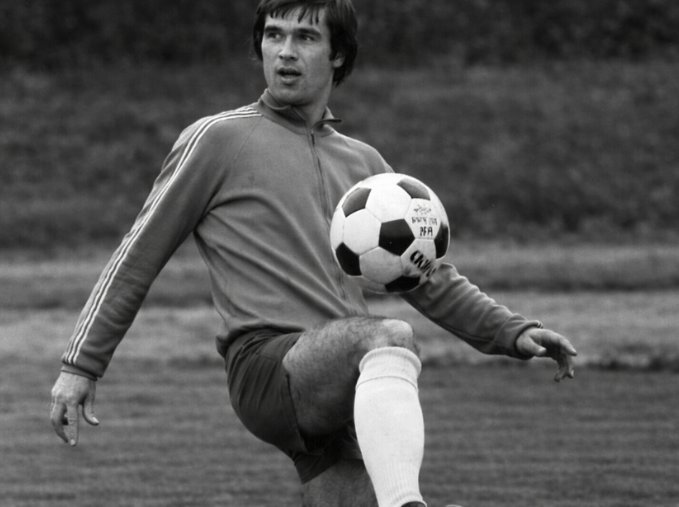
Before becoming national team coach “Tata Puiu,” Anghel Iordănescu was a refined playmaker for Steaua. He scored 155 goals in Division A and earned 57 caps.
Unlike his later sober image, young Iordănescu was crafty and dynamic. Few remember that he entered the pitch during the 1986 European Cup final in Seville as assistant coach. He also held serious economics studies, rare among footballers of his generation.
Dudu Georgescu – The Golden Boot and Deadly Modesty
(b. 1950)
Position: Striker
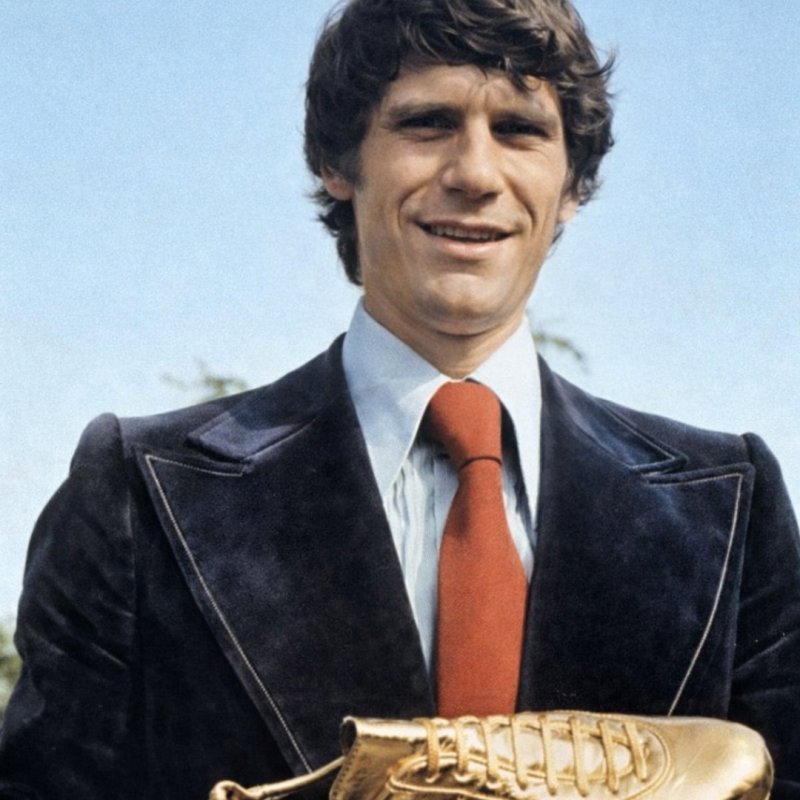
Many consider Dudu Georgescu the most efficient Romanian striker ever. Born in Bucharest, he scored 252 goals in Division A, a record still unmatched, and won the European Golden Boot twice. With Dinamo, he won four league titles.
The team often played for him. Coaches and the system supported his Golden Boot campaigns as national pride. Teammates passed even when alone with the goalkeeper.
Quiet and modest, he avoided nightlife scandals. Known for fearless diving headers, he earned the nickname “the golden forehead.” After retirement, he chose a discreet life in Canada.
Marcel Răducanu – The Runaway Artist
(b. 1954)
Position: Midfielder
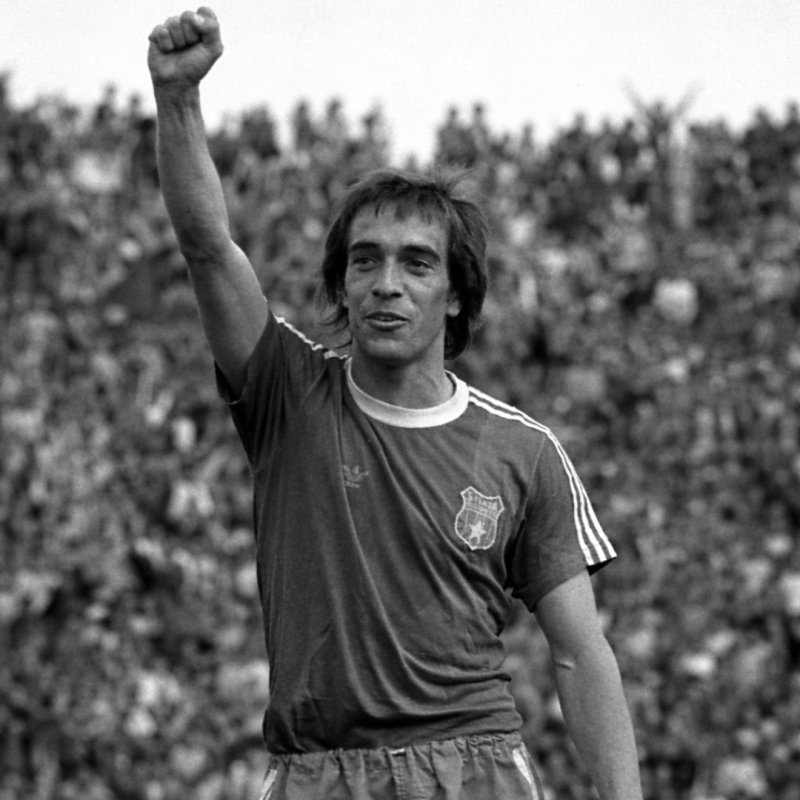
Marcel Răducanu was Steaua’s rebellious genius, Romanian Footballer of the Year in 1980. His technique made fans forget cold and queues.
In 1981, during a friendly in Dortmund, he defected to West Germany. The escape was bold. He slipped past security guards and vanished. Legend says he and teammates had previously smuggled German marks in sealed jars of pickles.
In Germany, he became a Borussia Dortmund legend, nicknamed “Balkan Maradona.” He opened a football academy and lived the Western dream, though Romania sentenced him in absentia to nearly six years in prison for desertion.
Răducanu represents the Bucharest native who understood his talent was worth more than military rank and risked everything for freedom.
/ Images colorized and restored using AI.
You may also like: A love story like in the movies: actress Vasilica Tastaman, the great love of the late Emeric Ienei