Gambling halls in Bucharest: under what conditions could they be banned in the Romanian capital
- Articles
- 15 MAR 26
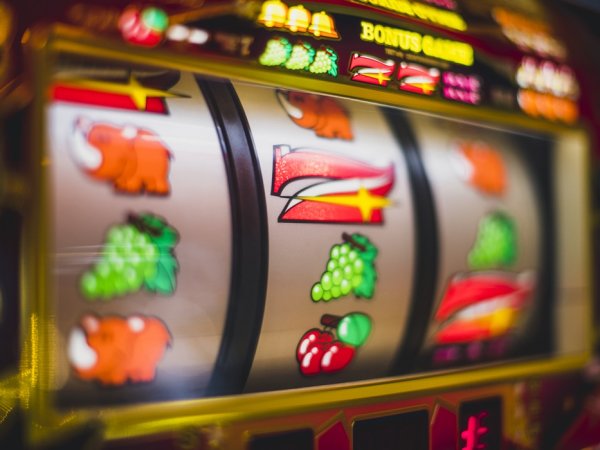
In recent years, gambling halls – commonly known in Romania as “slot machine halls” – have become a common sight in many neighborhoods across Bucharest. They are often located on the ground floors of apartment buildings, along busy boulevards, or near shops and public transport stations.
The rapid expansion of these venues has sparked growing public debate: should cities limit or even ban gambling halls altogether?
In 2026, this discussion became more concrete after changes in Romanian legislation that give local authorities greater control over how gambling activities are regulated.
The new law allowing cities to ban slot machine venues
In 2026, the Romanian government adopted Emergency Ordinance no. 7/2026, which significantly changes the rules for gambling businesses.
Until recently, gambling halls mainly required authorization from the National Office for Gambling (ONJN) at the national level. Local authorities had very limited influence over whether these venues could operate in their cities.
Under the new rules, operators must now obtain:
- a national license issued by ONJN
- a local operating authorization from the city hall
This legislative change allows local councils to decide whether gambling venues are allowed in their cities and under what conditions.
What measures Bucharest City Hall could adopt
Under the new legislation, the General Council of Bucharest now has several options when it comes to regulating gambling halls in the capital.
1. A complete ban on gambling halls
The city council could decide not to issue local operating permits for gambling venues.
In practice, this would gradually eliminate existing gambling halls as their current authorizations expire.
2. Restricting them to specific areas
Another option would be to allow gambling venues only in certain commercial or entertainment districts.
This approach is used in several European cities to prevent gambling halls from appearing in residential neighborhoods.
3. Prohibiting them near schools or residential areas
The city administration could also introduce minimum distance rules from:
- schools
- kindergartens
- densely populated residential areas
- places frequently visited by minors
Similar regulations already exist in several European countries.
4. Increasing local taxes for gambling operators
The Bucharest city council could also impose higher local taxes for gambling venues.
While this would not directly ban the activity, it could reduce the number of operators by increasing operating costs.
Romanian cities already considering bans
Following the adoption of the new legislation, several Romanian cities have started discussing measures to limit or eliminate gambling venues.
One example is Slatina, which decided to ban gambling activities (with the exception of the Romanian National Lottery). As a result, around 90 gambling halls and betting agencies are expected to close gradually as their existing permits expire.
This case is seen as an important precedent for other cities considering similar policies.
The current situation in Bucharest
As of March 2026, Bucharest has not yet adopted a general ban on gambling halls.
However, public debates and political initiatives regarding the limitation or removal of these venues from the city have already begun. For any restriction or ban to take effect, it would need to be approved through a decision of the Bucharest General Council.
For now, the future of gambling halls in the Romanian capital remains open and dependent on future political decisions.
Why gambling halls are controversial
Critics of this industry often highlight several concerns:
- the risk of gambling addiction
- the presence of gambling venues in residential neighborhoods
- social consequences for vulnerable families
- the high concentration of gambling halls in certain areas of the city
These concerns have led many European governments and local administrations to introduce stricter regulations regarding the location and operation of gambling businesses.
The legislative changes adopted in Romania in 2026 give local authorities, for the first time, the power to decide whether gambling halls should operate in their cities.
In Bucharest, a possible ban or limitation of slot machine venues would only become reality through a decision of the Bucharest General Council.
Until then, the debate continues, and the future of gambling venues in the capital will depend on political decisions, public pressure, and broader concerns about the social impact of gambling.