Bucharest Wrapped in Frost and Snow. How the City Adjusts on a Monday
By Bucharest Team
- Articles
- 12 JAN 26
A winter Monday has its own rhythm in Bucharest. The cold tightens its grip on the city, snow slows everything down, and the start of the week comes with the same routines—but recalculated. Nothing stops abruptly. Everything continues, just more cautiously, more slowly, with visible effort.
The day begins with small but decisive adjustments. Departure times move ten or fifteen minutes earlier. Cars start more reluctantly, and the first congested intersections set the tone. Traffic doesn’t collapse, but it grows heavy. Any minor disruption—a bus stalled for too long, a car failing to move at a green light—spreads quickly. The city already runs close to capacity; extreme cold shrinks that margin even further.
Public transport keeps moving, but without the comfort of predictability. Gaps between vehicles widen, platforms fill up, and commuters recalculate routes on the go. On very cold days, reliability becomes relative. There are no dramatic failures, just a chain of small delays that add up, stretching the daily commute.
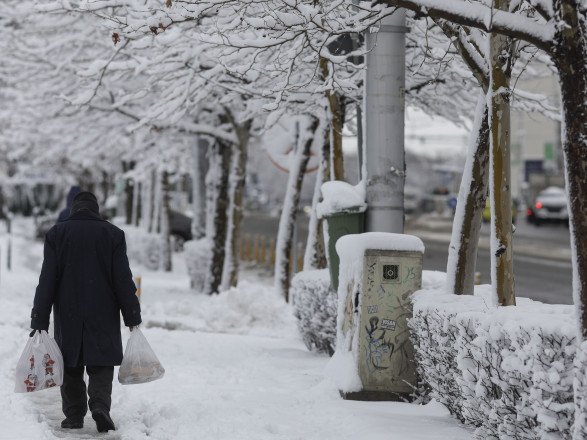
For pedestrians, the city changes most at ground level. Cleared sidewalks alternate with patches of ice and compacted snow. Walking turns into a constant exercise in attention, especially in shaded areas or heavily trafficked streets. For older people, parents with children, or anyone with reduced mobility, getting around requires extra effort—and carries real risk.
Adaptation happens mostly at an individual level. People choose safer routes, cancel non-essential trips, adjust schedules. The city leans heavily on this personal flexibility, more than on infrastructure designed for harsh conditions. Frost and snow don’t create new problems; they intensify existing ones.
As the day goes on, Bucharest settles into a fragile balance. Traffic remains dense but steady. Public transport finds a workable pace. The city moves forward, though at a higher cost in time and energy. A winter Monday is not an exception—it’s a quiet stress test.
By evening, as temperatures drop further, the adjustments continue. The journey home takes longer, and the city seems to draw inward. Bucharest doesn’t give in to winter, but it doesn’t handle it with ease either. On days like this, it functions through constant recalibration, patience, and a routine reshaped by the cold.
The frost will pass. The snow will melt. The city will return to its familiar rhythm. Until then, a Monday in winter remains a practical lesson in urban adaptation—nothing dramatic, nothing theatrical, just a large city learning, once again, to move more slowly.
Also recommended Winter Alert: Bucharest enters a severe winter episode with snow, icy conditions, and freezing nights. How to prepare
Photo: INQUAM PHOTOS - Octav Ganea