Basements, strobes, and cultural Revolutions: the clubs that defined Bucharest
- Articles
- 12 FEB 26
You push open a heavy, padded door in a building that looks ordinary at first glance. Down in the basement or up a narrow staircase, behind a discreet sign, another world unfolds. Strobe lights. Speakers that thump straight into your sternum. A DJ perched on an improvised platform. A crowd that doesn’t come just to dance, but to belong.
Over the past three decades, Bucharest has had clubs that were more than entertainment venues. They were social laboratories, cultural incubators, and at times, theaters of pure excess.
Many of them are gone now. In their place stand polished lounges with discounted prosecco and “safe” playlists. But if you want to understand how Bucharest’s nights breathed after 1990, you have to descend into the city’s memory and reopen the doors of these legendary clubs.
The Basement That Changed Everything: Web Club
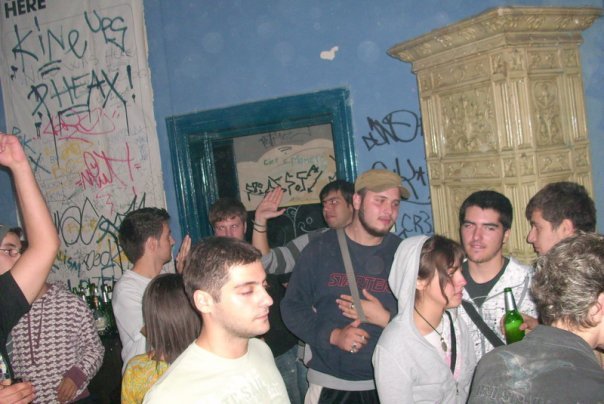
Opened in 1998 in a basement on Mărășești Boulevard, Web quickly became the epicenter of the capital’s electronic culture. It brought international DJs at a time when that sounded like local science fiction. The crowd was mixed: students, artists, early corporates, urban rebels. You didn’t go for status. You went for sound.
Web wasn’t just a club. It was a statement: Bucharest could keep up with Berlin or London. Its disappearance left a cultural gap few spaces managed to fill with the same coherence.
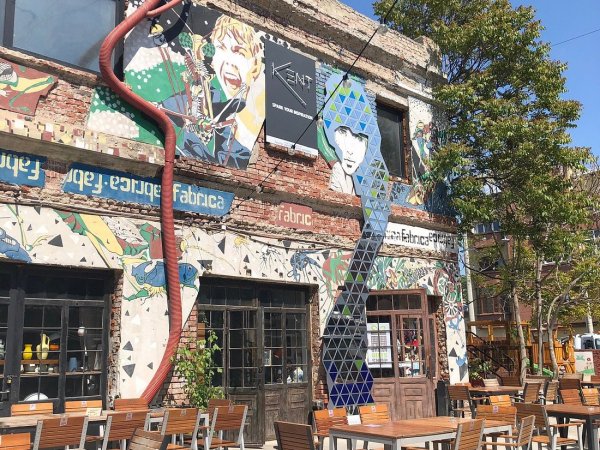
The Industrial Playground: Fabrica

The industrial aesthetic wasn’t decoration — it was real context. Concrete. Metal. A wide summer courtyard. Fabrica captured a generation that no longer wanted mirrored walls and synthetic leather sofas, but raw authenticity.
It lasted for years because it knew how to adapt. Underground bands one night, mainstream parties the next. In the volatile ecosystem of Bucharest nightlife, that was no small achievement.
The Ostentatious Elegance of the 2000s: Bamboo
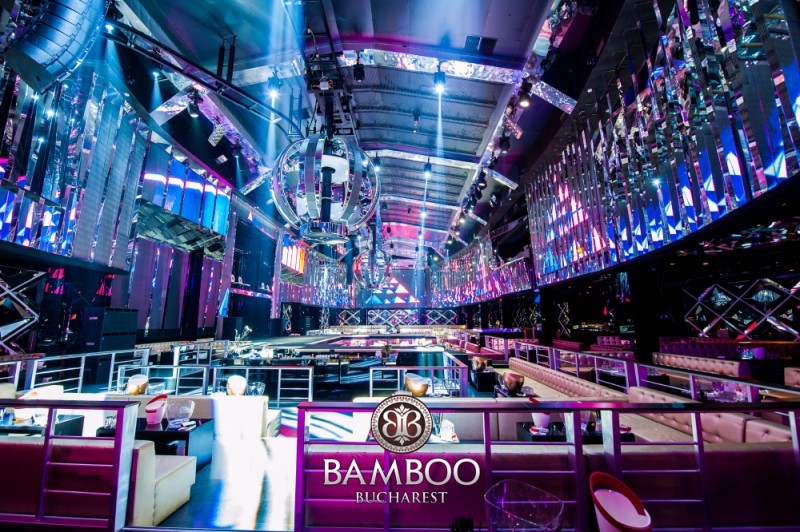
It was the club where social status was displayed without irony. Celebrities, athletes, TV personalities — they all passed through. It burned, reopened, reinvented itself. Each time, it returned as a symbol of urban excess.
Bamboo was never really about music. It was about image. And that says something essential about an era when Bucharest was discovering capitalism with adolescent enthusiasm.
The Subculture That Refused to Die: Control Club

Located near University Square, Control functioned as a cultural hub. It launched artists, hosted festivals, built community. In a city that demolishes its past quickly, Control proved that a club can become an institution.
It went through relocations and transformations, yet remained relevant — a rare feat in a city where the life cycle of clubs is often short and brutal.
The Pure Techno Experiment: Guesthouse
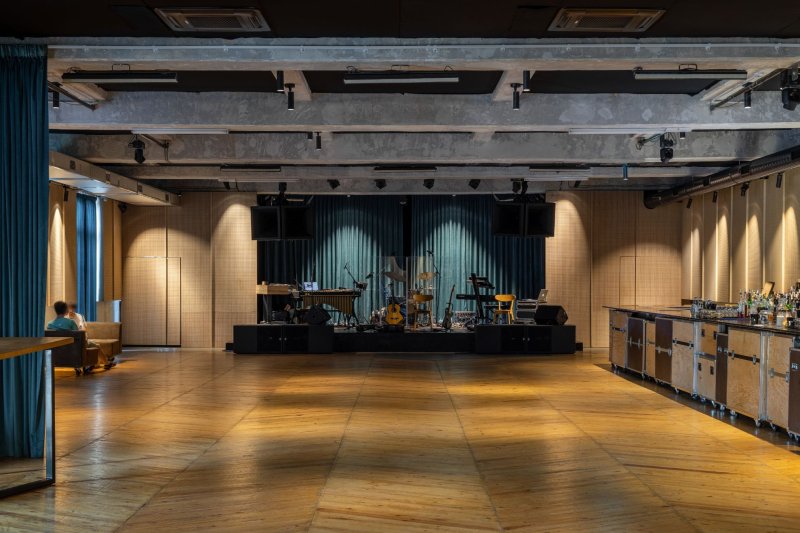
Guesthouse elevated minimal and techno culture to something close to ritual. It wasn’t for everyone. Long sets. Carefully calibrated sound systems. A devoted audience.
It was part of the wave that placed Bucharest firmly on the global minimal map. Romanian DJs began appearing in major European clubs. Foreign tourists came specifically for these nights.
Here, it didn’t matter how well you were dressed. It mattered how well you understood the music.
The Last Bastion of Bohemian Student Life: Club A


Rock was played here when rock was suspicious. Bands that would later define Romanian music stepped onto this stage. In an era of ideological control, Club A functioned as a cultural microclimate.
After 1990, it remained a landmark for students, artists, bohemians, and nostalgics. It was not the most sophisticated venue. It didn’t boast the best sound system. It wasn’t visually impressive. But it had something many newer clubs cannot manufacture: continuity and collective memory.
In the 2000s, as Bucharest embraced opulence and minimalism, Club A stayed loyal to community. Rock nights, alternative sets, themed parties, live concerts. The audience was young — but layered with generations returning periodically, almost ritualistically.
Bucharest’s legendary clubs are not just nostalgic memories. They tell the story of a society in transition — from post-communist chaos to hipster urbanism, from improvisation to branding.
Nightlife is a cultural barometer. Where people dance, how they dance, what music they choose — all of it reveals what kind of city Bucharest is becoming.
Today, clubs are cleaner, safer, more organized. Yet something of that unpredictability has faded. Legends are not born from perfection. They emerge from friction, excess, and real community.
Next time you pass an unremarkable building downtown, it’s worth asking what vibrations once shook its walls. Cities don’t forget. They just change their soundtrack.