Aristocracy and High Society in Belle Époque Bucharest: How the Upper Class Entertained Itself at the Beginning of the 20th Century
- Articles
- 01 JUL 26
At the beginning of the twentieth century, Bucharest was experiencing one of the most spectacular periods in its entire history. Romania's capital had become a cosmopolitan city undergoing continuous development, while Western influences could be seen in its architecture, fashion, gastronomy, and, above all, in its social life. It was no coincidence that the city came to be known as "Little Paris," a nickname that reflected not only the beauty of its new boulevards and palaces but also the lifestyle of the aristocracy and the upper bourgeoisie. The Belle Époque period, extending roughly from the end of the nineteenth century until the outbreak of the First World War, represented the golden age of Bucharest's high society. Great aristocratic families, politicians, diplomats, industrialists, and intellectuals spent their time in an atmosphere dominated by elegance, refined conversation, and fashionable social events that rivaled those organized in Europe's greatest capitals.
Bucharest was becoming "Little Paris"
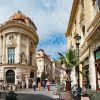
During the first decades of the twentieth century, the city was changing at an impressive pace. Along Calea Victoriei, luxurious hotels, elegant shops, and magnificent palaces built in the French, Neoclassical, or Eclectic styles appeared. Architects trained in Paris and Vienna designed spectacular residences for the Cantacuzino, Știrbei, Ghica, Bibescu, Șuțu, and Lahovary families, transforming the center of the capital into a true gallery of Western architecture.
French had become the preferred language of the aristocracy. In many wealthy families, children learned French before literary Romanian, while governesses brought from France or Switzerland were considered symbols of social status. Elegant conversations, correspondence, and even the menus served at grand receptions were written in French.
The influence of Paris was also evident in fashion. Ladies ordered their dresses directly from the French capital or had them made according to the latest Parisian fashion magazines, while gentlemen wore suits tailored in the London and Paris styles. Elegance had become a social obligation, and public appearances were carefully analyzed by the newspapers of the day.
Aristocratic balls, the most important events of the season
Social life revolved around grand balls, considered the most prestigious events of the year. The ball season began with the arrival of winter and continued until the beginning of Lent, when parties were suspended out of respect for religious tradition.
The most exclusive balls took place in the salons of Bucharest's great palaces. Șuțu Palace, the residences of the Cantacuzino family, and Elena Oteteleșanu's mansion became true centers of fashionable society. Invitations were highly selective, and attending such an event confirmed one's place among the upper classes.
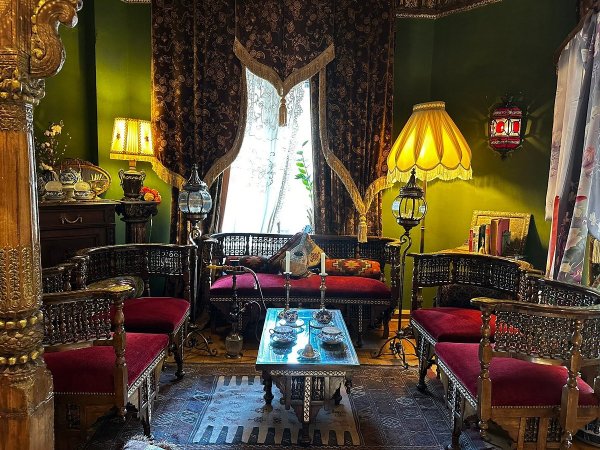
The salons were decorated with crystal chandeliers, Venetian mirrors, velvet draperies, and impressive floral arrangements. The orchestra performed waltzes, polkas, and quadrilles, while dancing occupied most of the evening. For young ladies, the balls also represented the ideal opportunity to be formally introduced into society and to find a future husband from among the influential families.
Hosts invested considerable sums of money in organizing these events. The menus included dishes inspired by French cuisine, champagne imported from France, Romania's finest wines, and elaborate desserts prepared by renowned pastry chefs.
The promenade on Kiseleff Road, the daily ritual of the elite
If the balls represented the great events of the season, the promenade along Kiseleff Road was the almost daily ritual of Bucharest's upper class.
Every afternoon, especially during spring and summer, aristocratic families went for walks in elegant horse-drawn carriages or on foot along the tree-lined avenues. This was far more than an ordinary stroll; it was a genuine social spectacle. Everyone observed who was present, what they were wearing, who was accompanying whom, and which carriage each family had chosen.
Luxurious carriages pulled by carefully groomed horses had become symbols of social status. Coachmen wore elegant uniforms, while the horses were adorned with richly decorated harnesses. The arrival of an important family immediately attracted the attention of everyone taking part in the promenade.
Ladies displayed their newest outfits, hats decorated with feathers, and fine gloves, while gentlemen wore top hats, walking sticks, and white gloves. The entire atmosphere recalled the great boulevards of Paris and Vienna.
The cafés and restaurants where the elite gathered
Social life did not take place exclusively in palaces. Elegant cafés and restaurants had become true meeting places for aristocrats, politicians, diplomats, writers, and artists.
The most famous establishment was Casa Capșa, long regarded as the center of Bucharest's fashionable society. Here one could meet politicians, members of the Royal Family, foreign diplomats, journalists, and prominent cultural figures. Dining at Capșa meant much more than enjoying a meal; it was an opportunity both to see and to be seen.
The conversations held in these establishments covered a wide variety of subjects: European politics, the latest theatrical premieres, French literature, art exhibitions, and the latest gossip concerning the capital's influential families.
Political alliances, cultural collaborations, and even marriages between members of prominent families were often arranged there. The cafés had become genuine centers of both intellectual and fashionable life.
Aristocratic salons, where high society was shaped
Before restaurants came to dominate social life, private salons formed the heart of Bucharest's aristocracy.
The great ladies of society regularly organized musical evenings, receptions, and literary gatherings attended by diplomats, politicians, painters, composers, and writers. Conversations were sophisticated, and etiquette was strictly observed.
Guests spent hours discussing the latest books published in Paris, opera performances, or international political events. Music was always present, and piano or violin recitals performed by well-known musicians transformed these evenings into genuine cultural events.
These salons also played an important role in public life. Many political and cultural ideas that would later influence Romanian society first took shape during these discreet gatherings held in the homes of the great aristocratic families.
Fashion, a calling card of the aristocracy
For Bucharest's elite, fashion was a visible indicator of social standing. Nothing was left to chance.
Ladies wore dresses made of silk, velvet, or lace, decorated with delicate embroidery and jewelry featuring diamonds, pearls, or sapphires. Their hats were true works of art, adorned with artificial flowers, exotic feathers, and delicate veils.
Gentlemen appeared in impeccably tailored suits, starched white shirts, bow ties, and elegant walking sticks. Pocket watches, gold cufflinks, and top hats completed the appearance of the perfect gentleman.
Luxury shops along Calea Victoriei regularly imported the latest creations from Western European fashion houses, while Bucharest's dressmakers quickly reproduced the newest trends emerging from Paris. Within high society, an unsuccessful outfit could easily become the subject of conversation.
Theatre, opera, and concerts, the elite's favorite entertainment
Attending performances was an essential part of fashionable life.
The National Theatre, the Romanian Athenaeum, and the Opera attracted distinguished audiences every week. Opening nights received special attention, while occupying the principal boxes was considered almost as important as the performances themselves.
The audience arrived dressed in elegant attire, and the intermissions provided opportunities for conversation and social encounters. Theatre critics commented not only on the actors' performances but also on the presence of the capital's most important families in the audience.
Symphonic concerts at the Romanian Athenaeum represented another major attraction for the aristocracy. Classical music, literature, and the visual arts had become defining elements of an elite determined to be regarded as deeply European.
A world of elegance, but also of contrasts
Beyond the spectacular image of lavish balls and luxury, Belle Époque Bucharest was also a city of striking contrasts. While the aristocracy organized magnificent receptions and built impressive palaces, modest neighborhoods with unpaved streets and difficult living conditions still existed on the city's outskirts.
Nevertheless, the image that has remained in the collective memory is that of a capital enjoying an unprecedented period of optimism and development. Bucharest adopted Western models, modernized its infrastructure, and strengthened its reputation as a cosmopolitan city.
Today, many of the palaces built during that era, the elegant boulevards, and the cultural institutions continue to recall the period when Bucharest's high society transformed every ball, every promenade, and every reception into a true spectacle of refinement. The Belle Époque remains one of the brightest chapters in the history of the Romanian capital, an age during which elegance, culture, and the desire for European recognition defined Bucharest's identity and contributed to the legend of "Little Paris."
We also recommend: The Little Paris Museum, the French-styled Bucharest and the most beautiful journey through time in the Center of the Capital