Architecs who shaped the city of Bucharest: Petre Antonescu, the brilliant artist who gave us the Arch of Triumph and designed half of the Capital
- Articles
- 19 FEB 26
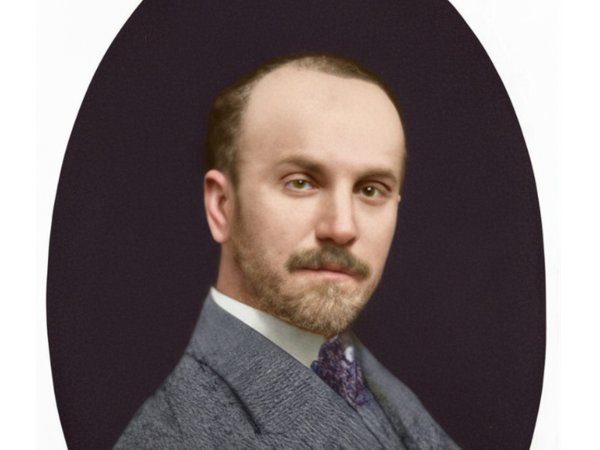
Petre Antonescu remains one of the most remarkable figures of modern Romanian architecture. Considered an architect-artist, he managed to combine the tradition of Romanian architecture with modern visions, leaving his mark on the Capital and other cities in Romania. Born on June 29, 1873, in Râmnicu Sărat, Antonescu began his high school studies in Bucharest and briefly attended the Faculty of Law, which he abandoned to dedicate himself to the fine arts. In 1893, he went to Paris, where he studied at the National School of Fine Arts, earning six medals in various competitions and consolidating his knowledge under the guidance of professors such as Julien Guadet and Edmond Paulin.
The Arch of Triumph
Returning to Romania, he continued to promote the values of Romanian architecture, being appreciated by his mentor Ion Mincu and fellow architects. Throughout his career, Antonescu was a professor at the Higher School of Architecture, rector of this institution between 1931 and 1938, and influenced entire generations of architects through his courses on architectural history and through promoting the Neo-Romanian style. His portfolio includes iconic buildings for Bucharest as well as other cities, combining functionality with aesthetics and respect for Romanian tradition.
One of Petre Antonescu’s most well-known creations is the Arch of Triumph, a symbol of Romania’s victory in the First World War and emblematic for the Capital. Built between 1935 and 1936, the Arch of Triumph stands out for its monumental proportions, harmony of decorative details, and its ability to convey solemnity and national pride.
Its design combines classical elements with modern influences, reflecting Antonescu’s vision of integrating historical symbolism into a contemporary urban context. The monument has become not only an architectural landmark but also a place of commemoration for the country’s important events.
Kretzulescu Palace
Another notable building is Kretzulescu Palace, constructed between 1912 and 1915. This impressive building illustrates the influences of French Neoclassicism and Eclecticism, characteristic of the period, but also Antonescu’s personal style, which blends decorative refinement with functionality.
Kretzulescu Palace is distinguished by elegant facades, harmonious proportions, and attention to detail, becoming a reference point in Bucharest’s urban architecture.
Brătianu House
The Brătianu House, located on Amzei Street, is another significant work by Antonescu, built in 1908. The complex reflects the refinement of the Neo-Romanian style and the architect’s ability to integrate traditional Romanian elements into urban buildings with multiple functions.
The design combines elaborate decorative elements with a practical structure, and the building became a symbol of the political and cultural influence of the Brătianu family during the interwar period.
Constantin Geblescu House
The Constantin Geblescu House, also designed by Petre Antonescu, is a remarkable example of a private residence in the Neo-Romanian style. This building, distinguished by the harmony of its proportions and decorations inspired by Romanian tradition, highlights the architect’s attention to detail and his desire to integrate local aesthetics into modern urban architecture. The house remains a reference point for enthusiasts of historical architecture in Bucharest.
Ministry of Public Works Palace
Among his large-scale administrative projects is the Ministry of Public Works Palace, constructed between 1906 and 1910, today the headquarters of the Bucharest City Hall. The palace stands out for its monumental proportions, architectural rigor, and attention to decorative details, being an example of modern public architecture.
Its restoration and additional stories earned Antonescu the State Prize in 1952, confirming the importance of this work in Romanian architecture.
Museum of Village Archives in Bucharest
The Museum of Village Archives in Bucharest is another significant creation by Petre Antonescu, which combines museum functionality with Neo-Romanian aesthetics.
The building is an example of the architect’s ability to adapt tradition to contemporary needs while maintaining distinctive elements of the Romanian style.
This work reflects Antonescu’s concern for cultural heritage preservation and for harmonious integration of architecture into the urban landscape.
Other remarkable works and professional recognition
In addition to these buildings, Petre Antonescu contributed to the design of the Courthouses in Botoșani and Buzău, the Administrative Palace in Craiova, the River Navigation Palace in Galați, as well as notable private villas such as Vila Oprea Soare or the Brătianu House complex.
He was awarded the National Architecture Prize in 1964 and became an honorary, then full member of the Romanian Academy. His teaching and publications promoted the revival of Romanian architecture, serving as a model for future generations of architects.
Petre Antonescu passed away on April 22, 1965, leaving behind an impressive portfolio that shaped the image of Bucharest and other Romanian cities. Through the Arch of Triumph and his other emblematic buildings, he demonstrated that architecture can be both an artistic expression and a tool of national identity, marking an era and deeply influencing the Romanian urban landscape.
We also recommend: The Arch of Triumph in Bucharest, symbol of Greater Romania. The messages inscribed on the monument’s façades