What Should You Do If Your Upstairs Neighbour Floods Your Apartment? Who Pays for the Damage and What Should You Do First?
- Articles
- 19 OCT 26
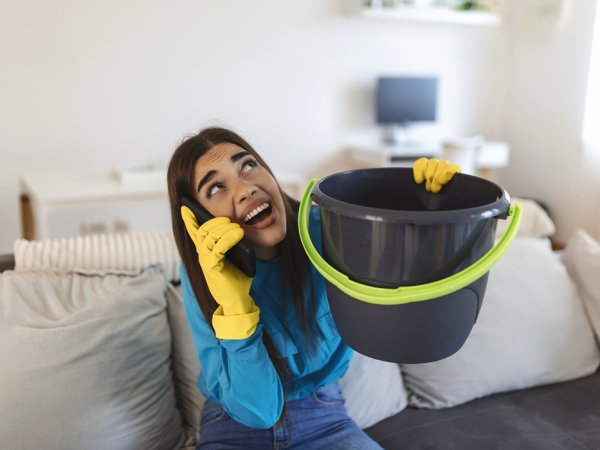
A damp patch on the ceiling, water running down the walls or wooden flooring beginning to swell overnight. A leak from an upstairs apartment can turn an ordinary day into an expensive problem, particularly when electrical installations, furniture or interior finishes are damaged. And once the water stops, one question almost inevitably follows: who is responsible for paying for the repairs?
In Bucharest, where many families live in apartment buildings with plumbing systems of varying ages, incidents like these can lead to disputes between neighbours and homeowners' associations. Romanian legislation establishes obligations concerning the maintenance of installations and compensation for damage. The key is to identify the source of the leak, document the damage and avoid automatically assuming that the owner of the apartment above is responsible for everything.
What Should You Do Immediately If Water Is Coming Through Your Ceiling?
Your first priority should be to limit the damage and make sure everyone in the apartment is safe. If water reaches electrical sockets, lighting fixtures or appliances, avoid touching the affected installations. Only switch off the electricity if you can do so safely, without coming into contact with wet areas or electrical equipment exposed to water. Otherwise, seek assistance from a qualified electrician.
At the same time, try to contact your upstairs neighbour and the building administrator. If the leak comes from a tap left running, a damaged washing machine hose or another installation belonging to an individual apartment, shutting off the water supply may quickly prevent further damage. If the source is unclear, the administrator or a plumber can help identify the affected pipe and determine what needs to be done.
Do not attempt to repair or interfere with shared plumbing installations unless you are qualified to do so. In the event of a major leak, it may be necessary to shut off the water supply to an entire vertical pipe system or part of the building, which should be coordinated with those responsible for managing the property.
If there is an immediate danger to people, such as a serious electrical hazard or another situation that cannot be safely controlled, emergency services may need to intervene. Romania's emergency number, 112, should only be used for genuine emergencies, not for ordinary disagreements over repairs or compensation.
Before cleaning up or replacing damaged items, take photographs and videos of the affected areas, provided it is safe to do so. Images taken immediately after the incident may become important evidence if disagreements arise about the extent of the damage.
Who Pays When the Water Comes from Your Neighbour's Apartment?
Responsibility for the damage depends on what caused the leak and whether the affected installation is individually owned or part of the building's shared infrastructure.
Romania's Law No. 196/2018 on homeowners' associations states, in Article 30, that apartment owners must maintain their homes and individual installations in a way that does not cause damage to other owners.
Furthermore, Article 30(5) provides that when an apartment owner causes damage to another owner's individual property or to the building's common areas, they must repair the damage or cover the necessary expenses.
Therefore, if the flooding was caused by an installation belonging to the upstairs apartment, and the connection between the defect and the resulting damage can be demonstrated, that apartment's owner may be required to pay for the repairs.
For example, if a washing machine supply hose, a sink connection or another individually owned installation fails, responsibility may lie with the owner of the apartment where the leak originated, depending on the circumstances.
However, the situation is different when the water comes from a shared pipe.
What Happens If a Shared Water Pipe Bursts?
Under Article 35 of Law No. 196/2018, certain water supply, sewage and heating installations serving the building's common property are classified as shared infrastructure. This can include pipes running through individual apartments.
Consequently, the fact that a pipe passes through your neighbour's apartment does not automatically mean that the neighbour owns it or is personally responsible for the damage.
If the problem originates from a shared installation, it is necessary to establish who was responsible for its maintenance, what caused the failure and whether a person or organisation can be held legally liable.
The homeowners' association is responsible for managing, maintaining and repairing common property. However, liability for compensation depends on the specific circumstances, including the cause of the incident and the applicable legal obligations.
Before demanding payment from your neighbour, it is therefore important to obtain a technical assessment establishing whether the leak came from an individual installation or a shared one.
What Is the Building Administrator's Role, and What Should You Ask the Homeowners' Association?
The building administrator and the homeowners' association can play an important role in identifying the cause of the leak, particularly when shared installations are involved. They may help arrange access to technical documentation, organise a plumber's intervention and record complaints submitted by affected residents.
It is advisable to notify the association in writing and request that the incident be documented, including the date, the apartments affected, the visible damage and, where possible, the identified cause.
A written incident report prepared with the participation of those involved can be useful evidence, although it does not replace a technical expert assessment when the source of the leak is disputed.
If the problem concerns a shared installation, ask for information about the intervention, the repairs required and the measures the association intends to take.
Apartment owners who want to understand their rights when dealing with building management can also read the Bucharest.ro article What Rights Do You Have When Dealing with Your Building Administrator? Documents Every Owner Can Legally Request.
It is important to remember that a building administrator cannot conclusively determine legal liability for compensation simply by declaring that one resident is responsible. If the parties cannot reach an agreement, technical evidence and, ultimately, a court decision may be necessary.
What If Your Neighbour Is Away or Refuses to Allow Access?
One of the most difficult situations occurs when water continues to leak but the owner of the apartment where the problem is suspected to have originated does not answer the phone or refuses to allow the installations to be inspected.
Article 31 of Law No. 196/2018 regulates access to privately owned apartments when inspection, repair or replacement of shared building installations is necessary and those installations can only be reached through an individual property.
Under normal circumstances, access must be requested through a written, reasoned notice issued by the homeowners' association's executive committee at least five days in advance. In emergencies, the statutory notice period is 24 hours.
These provisions concern access needed for work on common property. They should not be interpreted as a general authorisation to enter someone else's home without permission.
The law also provides that an owner who refuses access under the conditions established by Article 31 may be held liable for damage resulting from that refusal, in accordance with the law.
If the leak is continuing and causing further damage, contact the building administrator immediately and request measures to limit the problem. Do not force open your neighbour's door or attempt to enter without permission. Where there is an imminent danger, the competent authorities must assess whether an emergency intervention is necessary.
How Can You Prove the Damage, and Which Documents Should You Keep?
Once the water has been stopped, documenting the damage becomes one of the most important steps.
A damp patch on the ceiling may initially appear to be the only problem, but moisture can subsequently affect plaster, electrical installations, furniture and flooring. Some damage only becomes visible as the affected materials begin to dry.
Keep the photographs and videos taken immediately after the incident, correspondence with your neighbour and the homeowners' association, any written incident report, documents issued by the plumber and quotations or estimates for the necessary repairs.
If furniture or household appliances have been damaged, it is also useful to keep any available documents showing their value.
For significant damage or disputes over the cause of the flooding, an independent technical assessment may be necessary. A specialist can help establish where the leak originated, what repairs are required and how much they are likely to cost.
Avoid rushing into cosmetic repairs before the damage has been properly documented, unless immediate work is necessary for safety reasons. At the same time, do not postpone measures required to prevent further deterioration, dry the property or eliminate electrical hazards.
Can Home Insurance Cover the Damage?
Having home insurance may make it easier to recover some of the costs, but the type of policy and the risks it covers are essential.
In Romania, compulsory home insurance, known as PAD, covers damage caused by earthquakes, flooding as a natural disaster and landslides, subject to the applicable law and policy conditions.
A leak caused by a burst washing machine hose in an upstairs apartment is not normally covered by compulsory PAD insurance.
For accidental plumbing failures and water damage originating from neighbouring apartments, voluntary home insurance may provide coverage if those risks are included in the policy.
If you have such insurance, contact your insurer as soon as possible and follow the notification procedure specified in your contract. The insurance company may request photographs, incident reports, repair estimates and, in some cases, an inspection before repairs begin.
Receiving compensation from an insurer does not necessarily release the person responsible for the leak from liability. Under the applicable legal and contractual conditions, the insurer may have the right to recover the amount paid from the responsible party.
What Can You Do If Your Neighbour Refuses to Pay?
If your neighbour acknowledges the cause of the leak and agrees to cover the repairs, the matter may be resolved amicably. However, it is advisable to put the agreement in writing, specifying the work or amounts agreed upon and the payment deadlines.
If the owner refuses to pay, the first step is to determine whether you have sufficient evidence of the cause of the leak and the value of the damage.
A photograph showing water dripping from the ceiling does not necessarily prove which installation failed or who was responsible for maintaining it.
You can send a written notice to the person you believe is responsible, enclosing the relevant documents and making a specific compensation request. Depending on the circumstances, consulting a lawyer before submitting a formal claim may be advisable.
If an amicable settlement cannot be reached, compensation may be sought through the courts under Romanian civil law. A successful claim requires proof of the elements of the applicable form of civil liability, including the damage, the causal connection and the legal basis for the obligation to compensate.
There is no rule stating that every flooding dispute between neighbours must automatically be decided in favour of the owner of the lower apartment. The cause of the leak, the available evidence and the specific circumstances all matter.
What If the Upstairs Apartment Is Rented?
When the water originates from a rented apartment, determining responsibility may become more complicated. It is necessary to establish whether the incident was caused by the property's installations, how the tenant used them or another factor.
Law No. 196/2018 establishes obligations for property owners concerning the maintenance of individual installations and the protection of neighbouring properties. At the same time, liability for damage may also depend on the actions of the person who actually caused it.
It would therefore be incorrect to assume that every incident involving a rented apartment must be paid for exclusively by either the landlord or the tenant. The tenancy agreement, the cause of the leak and the applicable legal provisions may all influence the outcome.
For the person whose apartment has been flooded, it is useful to notify both the tenant and the property owner so that the leak can be repaired and responsibility for compensation clarified.
Can the Homeowners' Association Be Held Responsible for Failing to Repair Shared Installations?
If the flooding was caused by a deteriorated shared installation and the homeowners' association fails to take the necessary measures, affected owners can submit a written request for repairs and information about the planned intervention.
Law No. 196/2018 establishes obligations concerning the management and maintenance of common property. Depending on the circumstances, failure to fulfil these obligations may have legal consequences, including potential liability for resulting damage.
A related issue is discussed in the Bucharest.ro article When Pieces of an Apartment Building Fall: Who Is Responsible for Balconies, Façades and Other Overlooked Hazards?, which explains why distinguishing between individual and common property is essential when determining responsibility for building maintenance.
In a flooding case, however, it is not enough to argue that the association must pay simply because a shared pipe burst. The cause of the failure, maintenance obligations and the legal conditions for liability must all be established.
How Can You Prevent a Flooding Incident from Becoming a Long-Term Neighbour Dispute?
Flooding between apartments can cause considerable financial damage, but it can also create tensions that continue long after the repairs have been completed.
Disputes often escalate not only because of the cost of the damage, but also because the people involved fail to communicate, do not document the incident or assume that responsibility is obvious from the outset.
As with other problems associated with apartment living, discussed in the Bucharest.ro guide Noisy Neighbours in Bucharest: What Can You Legally Do, and Where Can You File a Complaint?, prompt communication and the involvement of the homeowners' association can help prevent a disagreement from escalating.
In the case of flooding, however, the immediate priorities are different: first stop the water and limit the damage, then identify the cause and determine who is responsible for the repairs.
The fact that water is coming from above does not automatically mean that your upstairs neighbour must pay. If the leak originated from an installation belonging to their apartment, they may be liable for compensation. If a shared pipe is responsible, the legal assessment changes. And if the parties cannot agree, photographs, technical assessments and documents collected from the beginning can make the difference between a difficult-to-prove complaint and a well-supported compensation claim.